
The United States has long been a leader in biotechnology, but this position is now at risk. China has overtaken the U.S. in conducting clinical drug trials, significantly increasing its role in global drug development over the past decade. This shift affects more than just the biotech sector. Nations that excel in medical innovation gain a competitive edge in economic strength, national security, and public health.
Despite these challenges, the U.S. can still outperform China in regenerative medicine. This field uses advanced technologies like engineered tissues, biomaterials, and gene editing to restore damaged body parts. Although China participates in this sector, the U.S. market for regenerative medicine could grow to $90 billion by 2030. To lead, America needs policies that foster innovation and help U.S. companies compete globally.
A quick and efficient regulatory process is essential to encouragement of such advancements. A system that provides timely decisions and certainty is crucial for innovators to create products that address patient needs. The pitfalls of delayed decisions are evident in the experience of a Florida biotech company, Regenative Labs.
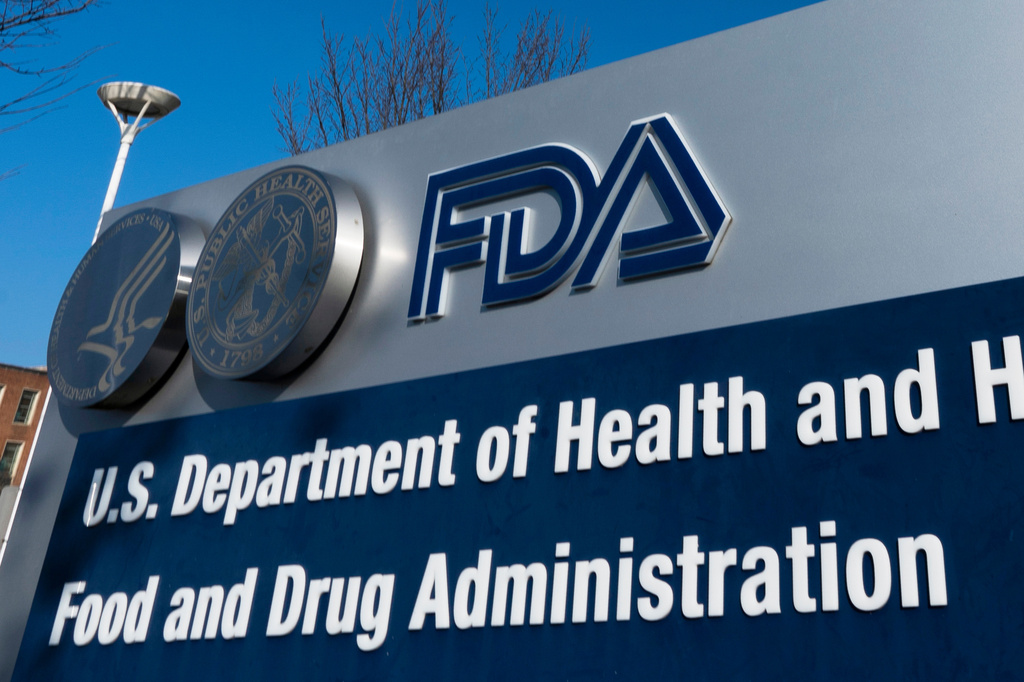
Regenative Labs, located in Pensacola, specializes in products derived from donated human birth tissue. Although it has succeeded in the U.S., it cannot expand into foreign markets due to the FDA’s indecision about issuing a Certificate of Foreign Government. This certificate is crucial for exporting their products. The company’s applications have faced a bureaucratic standstill for three years, surpassing the 20-day timeframe mandated by federal law during the Biden administration. Meanwhile, foreign competitors, not constrained by FDA regulations, have seized market opportunities abroad.
Regenative Labs could easily relocate overseas, but it prefers to remain and grow in Florida where it originated. This American company faces competitive disadvantages and cannot expand its workforce, not because of a lack of demand, but due to regulatory inaction. This scenario is not isolated to one company; it highlights how regulatory delays can stifle biotech industry growth, hinder manufacturing, and undermine America’s role in a rapidly advancing industry.
The broader reality is that biotechnology is rapidly becoming a defining industry of the future. Nations that drive medical innovations will shape the future. Protecting U.S. leadership in biotech needs to focus on domestic innovation and production. The U.S. has historically been a pioneer in medical progress, but this dominance is threatened. China aims to surpass the U.S. as the biotech leader.
Unnecessary bureaucracy that hinders American innovators allows competitors to advance. Each delay risks losing a strategic advantage developed over decades. The impact of American biotechnology extends globally, benefiting markets and populations beyond U.S. borders. Innovations from the U.S. have the potential to enhance care for thousands, including military personnel and their families overseas.
Ensuring access to American medical innovations is crucial for improving health outcomes worldwide. Achieving a healthier America involves more than discovering new health solutions. It involves establishing conditions that enable innovation to reach patients. Our regulatory framework must offer the transparency and prompt actions necessary to support American businesses in thriving and maintaining U.S. leadership in biotechnology.
David Mansdoerfer, former Deputy Assistant Secretary for Health, is now an adjunct professor in health policy and politics at Pepperdine University’s School of Public Policy.