
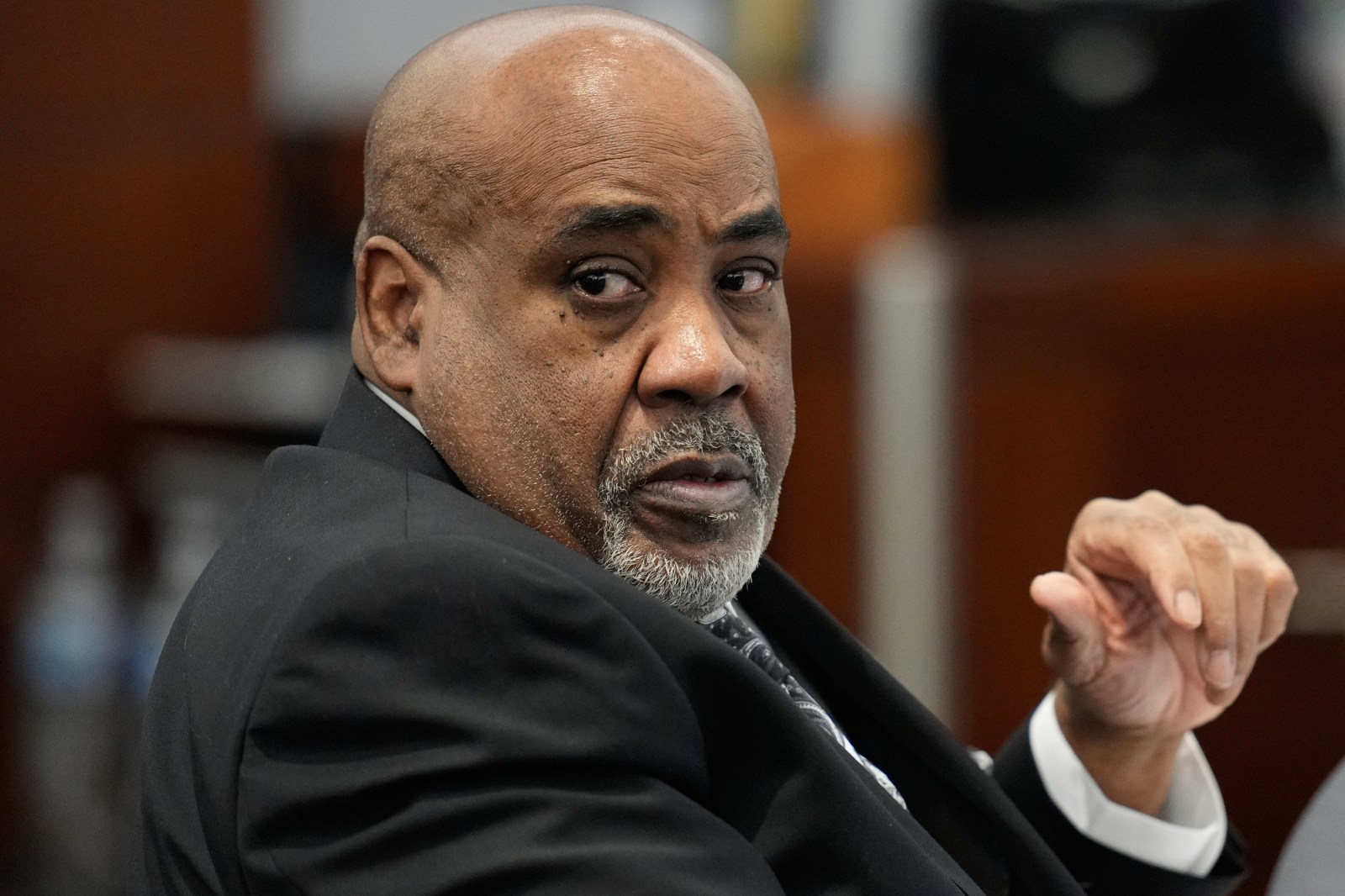
Opening Arguments in Tupac Shakur’s Murder Case
Nearly 30 years after Tupac Shakur’s murder on the Las Vegas Strip, the trial of Duane ‘Keffe D’ Davis examines the controversial content of his memoir, Compton Street Legend. Prosecutors assert that the book reflects Davis’ repeated admissions about his role in events leading to Shakur’s death. In contrast, Davis’ defense attorney, Michael Sanft, argues the memoir is self-promotional and lacks reliability, which raises one of the trial’s central questions: Does Davis’ narrative accurately reflect the events of September 7, 1996, or is it driven by exaggeration and fiction?
Prosecution’s Stance on Davis’ Memoir
Prosecutors rely on numerous statements Davis made over decades, including FBI interviews and his 2019 memoir. They claim these sources consistently recount similar details:
- Davis expressed anger over the attack on his nephew, Orlando Anderson, at MGM Grand.
- He admitted to obtaining a firearm used in the search for Tupac and Suge Knight.
- Davis was present in the Cadillac linked to the shooting.
- The attack on Anderson by Shakur’s group prompted a retaliation plan.
- The confrontation with Shakur’s vehicle occurred on the Las Vegas Strip.
Prosecutors argue that Davis’ accounts, dating from late 1990s FBI interviews to his publicly released memoir, demonstrate consistency and reliability.
Defense’s Counterargument
Sanft challenges the credibility of Davis’ book in several ways:
- There is no physical evidence connecting Davis to the crime scene, such as fingerprints or weapons.
- Investigators allegedly accepted memoir statements without independent verification.
- Sanft suggests Davis had motives to embellish, as he was the only surviving participant able to profit from telling the story.
The defense underscores that inconsistencies and lack of corroboration create reasonable doubt.
Focus on Verification
Sanft emphasizes the lack of independent corroboration of Davis’ claims. He highlights a 2008 interview where Davis allegedly discussed the shooting, yet authorities did not file charges immediately, raising questions about the validity of his statements.
Prosecutors, meanwhile, believe the consistent narrative speaks for itself. They argue Davis disclosed the same sequence of events in multiple settings, making his account credible to jurors.
The Trial’s Audience and Objectives
The Las Vegas trial has drawn significant public attention, with proceedings available via media outlets. Testimonies from investigators, Death Row Records associates, and experts will aim to establish connections between key figures and events surrounding the murder.
The Context of Tupac’s Murder
Shakur’s killing, linked to a confrontation between him and Orlando Anderson at MGM Grand, prompted a supposed revenge plan led by Davis, according to prosecutors. In contrast, the defense argues against reliance on outdated statements lacking new evidence.
The Cultural Feud’s Role
The trial also touches on the infamous rivalry between Shakur and Biggie Smalls, which reflected broader East Coast-West Coast tensions in the 1990s hip-hop scene. Connections between South Side Compton Crips and figures from Bad Boy Records provide context in understanding Shakur’s murder.
Next Steps in the Trial
The jury will assess Compton Street Legend to determine whether it offers an insider’s truthful confession or merely a sensationalized tale. This evaluation plays a crucial role in the prosecution’s strategy and could influence the case’s outcome.