
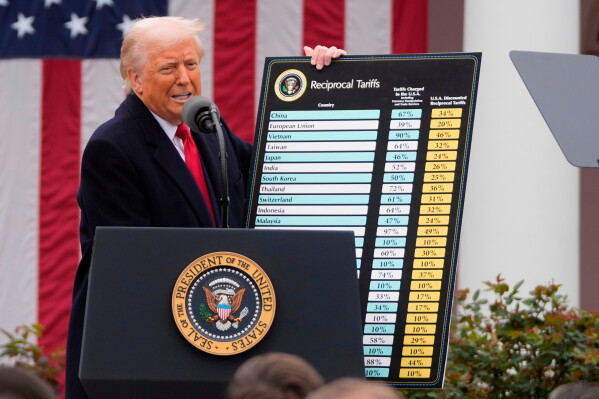
President Donald Trump recently announced a potential increase of 50% tariffs on Canadian goods, including products like hockey sticks and tongue depressors. This move, set to take effect at 12:01 a.m. Wednesday, could worsen U.S.-Canada relations unless a truce is reached. As the deadline approaches, negotiations between the two countries intensify to avoid the new tariffs.
A recent meeting between U.S. negotiator Jared Kushner and Israeli Prime Minister Benjamin Netanyahu left the situation in Gaza unresolved. While there is some optimism, Israel has not committed to the U.S.-proposed ceasefire plan. Hamas has agreed to the proposal, but disarmament is required before any reconstruction. The U.S. negotiators did not announce any Israeli promise to withdraw from the occupied 60% of Gaza.
Trump’s decision to reduce joint military exercises with South Korea, citing its refusal to participate in the war with Iran, raises security concerns. This decision may unsettle allies in the region and beyond. Trump claims a positive relationship with North Korea influenced his decision.
In June, Trump signed a deal with Iran that set a 60-day deadline for reaching a peace agreement and halting its nuclear program. The deadline has passed, with no significant progress. Discussions have involved reopening the Strait of Hormuz and lifting a U.S. blockade on Iran, which have not been resolved. The U.S. is in a difficult position as Iran’s demands involve control over an essential global waterway.
Amidst these diplomatic challenges, last-minute talks between the U.S. and Canada continue to seek a solution that will prevent the imposition of new tariffs. The negotiations are described as intense and delicate, with both sides keen to avoid further economic tension.