
As November approaches, Republicans may find themselves facing challenges at the polls. President Donald Trump’s average approval rating is currently below 40%, with a disapproval rating climbing into the high 50s. Historically, when presidents’ approval ratings dip below 50%, their parties typically struggle in midterm elections. The current outlook suggests that Republicans might be in for a tough election cycle.
Congressional Republicans are not faring much better. The generic ballot indicates a preference for Democrats among midterm voters, with congressional disapproval ratings soaring from 2025 to reach the high 60s in 2026.
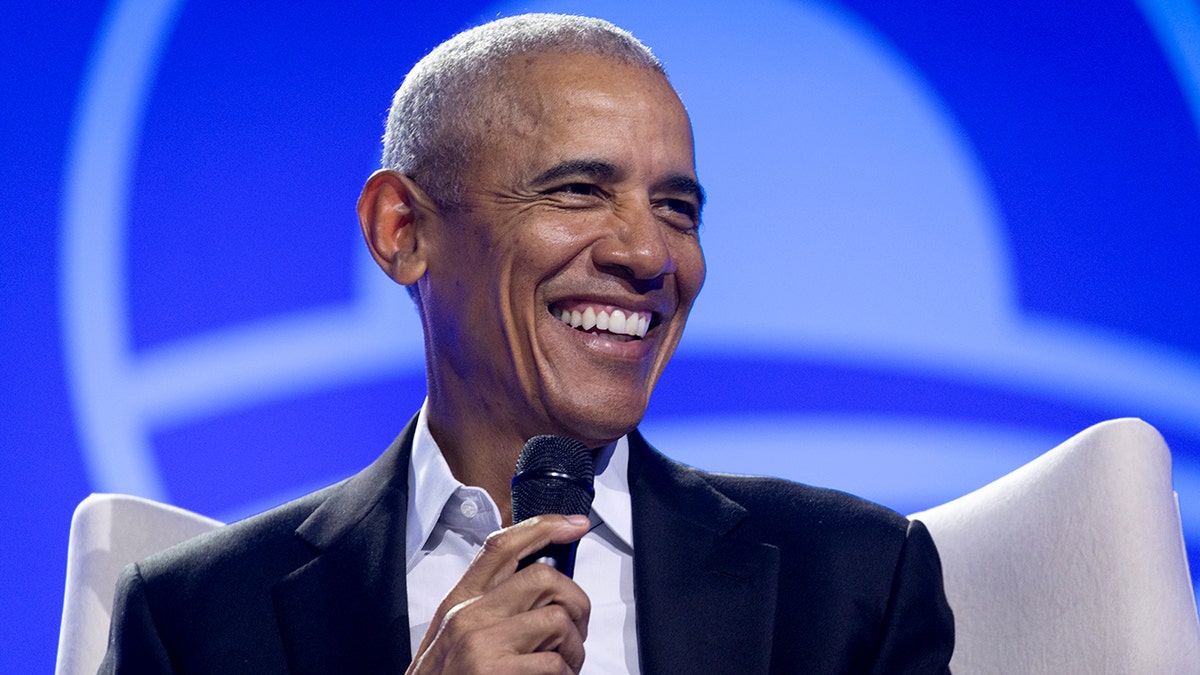
An effective strategy is critical for Republicans. A model to consider could be the successful tactics of former President Barack Obama, who managed a significant turnaround in 2012 despite having low approval ratings in 2011. Obama faced challenges from the Tea Party, a slow recovery from the 2008 financial crisis, and rising government spending concerns. Yet, he turned the narrative by focusing on economic messages and accomplished a victory in his reelection campaign.
Obama’s administration convinced voters their economic issues began under the previous administration, framing the debate around not returning to those past policies. Although selective in which policies were highlighted, the strategy resonated with voters and became central to Obama’s campaign.
Republicans have a similar opportunity. They have inherited a significant inflation crisis since taking power in 2025. Housing costs and consumer goods prices have surged, driven by varied factors like spending programs, supply chain disruptions, and energy policy focuses. For Republicans, persuading voters that a return to prior Democratic policies could worsen these issues may be key to electoral success.
A second approach from Obama’s playbook involves acknowledging economic challenges while emphasizing progress made. In 2012, Obama recognized ongoing issues but highlighted recovery efforts from the 2008 housing crisis, calling for more time to complete the work. A Republican message that centers on “Let us finish what we started” might resonate with voters in 2026.
Republicans should not assume that the American ideal has been attained. Instead, a message highlighting continuous struggles while noting that free-market policies are beginning to yield results could be effective. Admitting that reversing an enormous crisis within two years is challenging may also be wise.
Republicans have achievements to highlight. For instance, under President Joe Biden, there were over 10 million border encounters, with illegal immigration a significant concern then. The current administration can point to a more secure border situation. Furthermore, the Consumer Price Index (CPI) saw a marked increase of 21% under Democrats from January 2021 to January 2025. Under Republican governance, this figure has been reduced to just a 5% increase, aligning with historical norms.
Real estate is another area where Republicans could demonstrate success. Home prices spiked by more than $100,000 during Biden’s early years. However, pricing stability has been achieved under Trump and congressional Republicans, halting further exacerbation of affordability issues.
Statistics alone may not secure an election victory. Convincing voters that the country is heading in the right direction and that changing course could negate progress is crucial. Obama effectively communicated in 2012 that he inherited significant issues, made measurable headway, and warned against opponents reversing the progress.
Republicans’ ability to convincingly put forth a similar case this election cycle will influence congressional control decisions. History indicates that failing to address public concerns could lead to electoral setbacks. Acknowledging ongoing challenges and presenting a compelling argument for continuing their work may offer Republicans a chance to alter the election’s trajectory.
Justin Haskins, a New York Times bestselling author and president and senior fellow at Our Republic, provides these insights.