
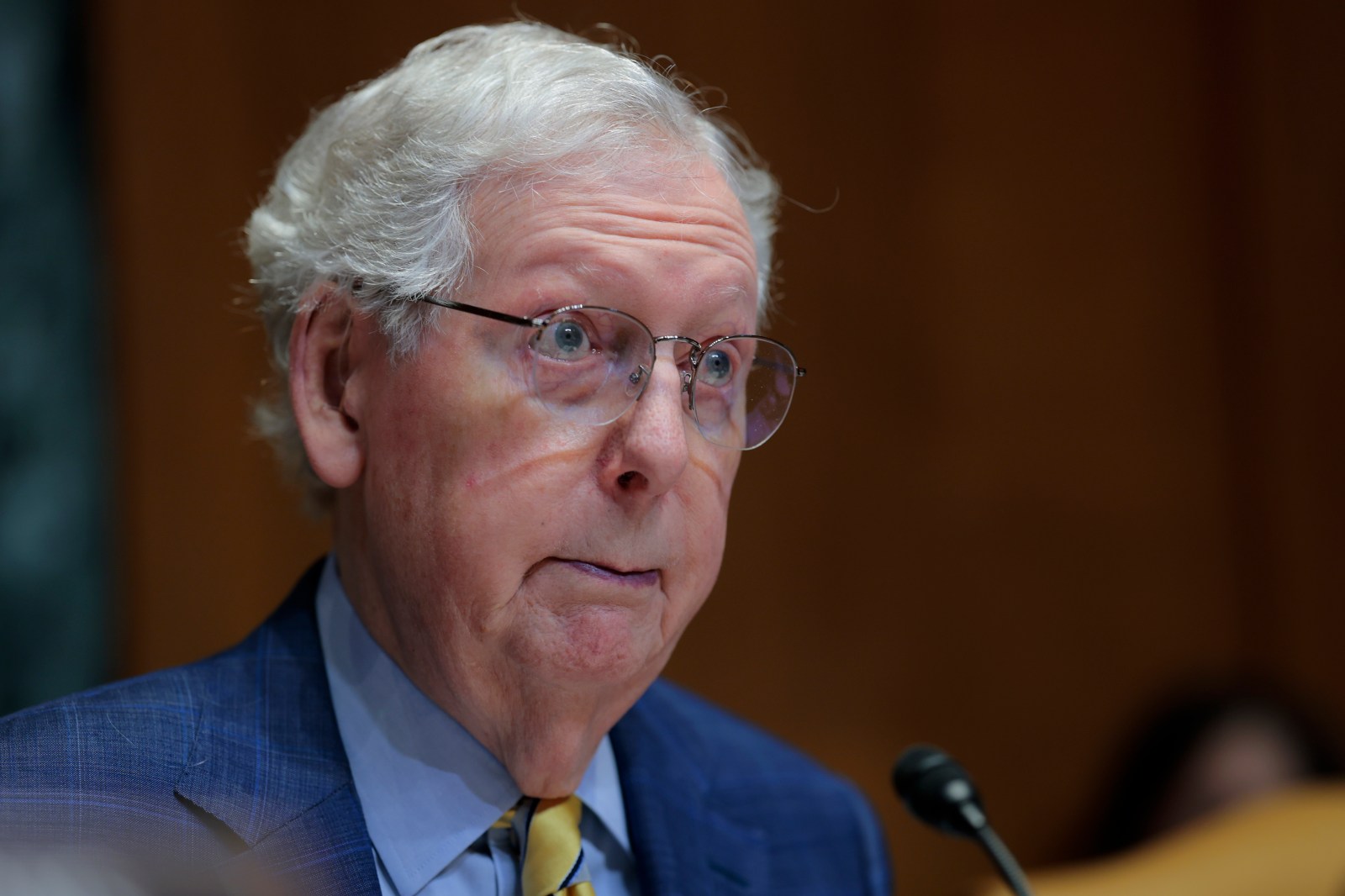
Senator Mitch McConnell’s ongoing recovery from a fall in June has reignited a debate over paid leave in the U.S., highlighting disparities in leave policies for lawmakers and everyday citizens. McConnell’s absence from the Senate has been fully funded, contrasting sharply with the lack of guaranteed paid maternity leave for many American women.
Current Situation and Debate
McConnell, a Republican from Kentucky, has been on medical leave since mid-June following his fall, with his health updates rarely shared publicly. As he continued drawing his salary, it spotlights the absence of a formal paid sick leave policy for Congress, where members receive their salaries indefinitely during medical leave.
Millions of American women face a starkly different reality, often lacking access to paid maternity leave. According to Thomas Ricotta, an attorney with expertise in Family and Medical Leave Act (FMLA) cases, this situation displays the need for federal legislation to offer everyday Americans similar benefits already given to lawmakers.
Maternity Leave in the United States
The U.S. stands alone among wealthier nations without a federal paid parental leave policy affecting most workers. While the FMLA provides up to 12 weeks of job-protected leave, it is not mandated to be paid and excludes many workers due to employment criteria and company sizes.
Only some states offer paid family leave programs, such as California, New York, and New Jersey. These fill a gap but do not guarantee fully paid leave universally. Workers in other states rely on employer offerings or go without pay.
Financial Impact of Maternity Leave
Payment during maternity leave depends heavily on an individual’s location and employer policies. Although the federal law does not mandate paid leave post-childbirth, eligible federal civilian employees can receive up to 12 weeks paid under the Federal Employee Paid Leave Act. Differences remain stark, contrasting the more advantageous treatment lawmakers receive compared to ordinary citizens navigating postpartum recovery.
Situation of Mitch McConnell
McConnell’s medical leave follows a fall on June 14; subsequent medical challenges led him to rehabilitation and at-home recovery, drawing salary the entire period. Kentucky Governor Andy Beshear has questioned McConnell’s capacity to serve, suggesting resignation if he could not assure his fitness.
McConnell has since stated plans to continue Senate duties remotely with intensive physical therapy, yet the unequal treatment in public policy remains a point of contention among critics and advocates.
Analyzing Kentucky’s Maternity Leave
Kentucky mothers face less favorable leave policies compared to McConnell’s situation. The state lacks a permanent paid leave program for private sector workers, making employees reliant on unpaid FMLA or employer-specific policies, leading to less financial support during recovery from childbirth. The impact of maternity leave policy mishandling extends beyond pay, often disrupting work environments when employees are absent without adequate replacement—a concern echoed by Beth Wanner, founder of Mother Cover.
Advocates remain committed to pushing for broader, robust paid family leave policies in the U.S., aiming for equitable recovery rights for mothers alongside legislative progress toward equality.