
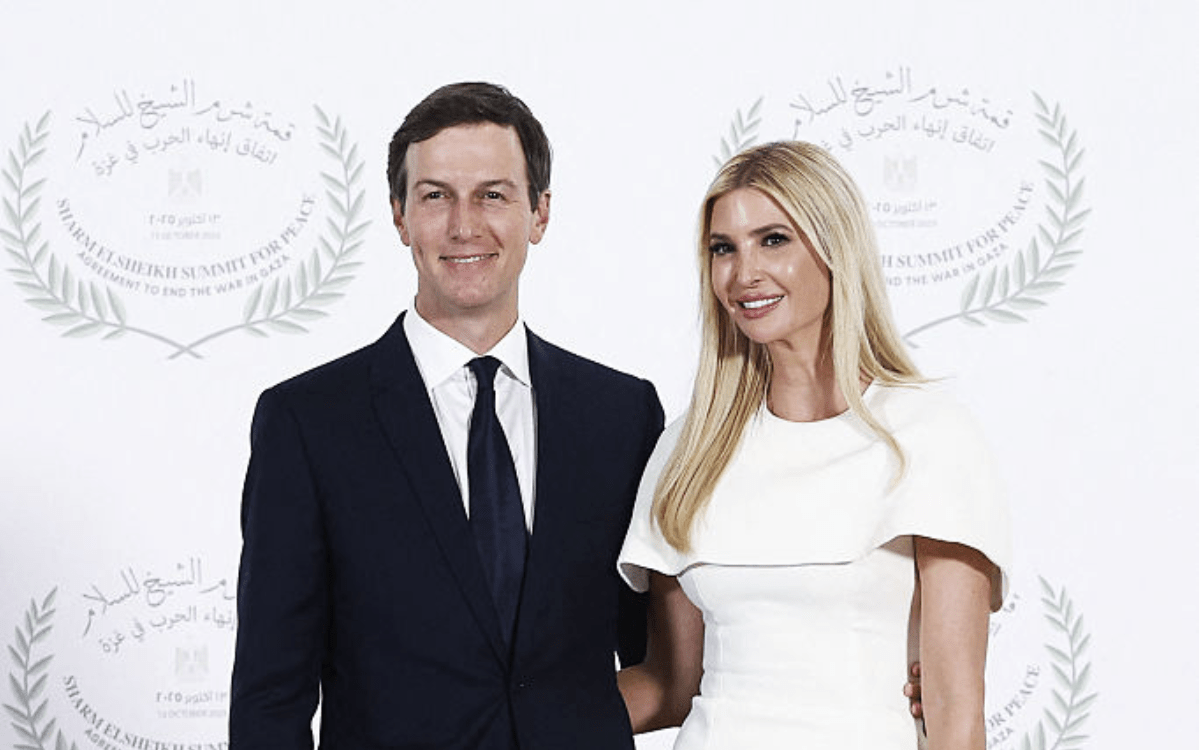
Jared Kushner recently engaged with a figure Washington has avoided for three decades: Khalil al-Hayya, a leader of Hamas. This encounter is part of Kushner’s Middle East tour amidst ongoing U.S.-Iran negotiations and Israel-Palestine peace talks. The 60-day U.S.-Iran negotiation window, previously set, is closing, with no progress on issues like Iran’s nuclear program and the Strait of Hormuz.
Kushner is regarded as an effective negotiator despite these challenges. During President Donald Trump’s terms, he facilitated several significant agreements, bolstering his reputation. Nonetheless, Trump’s focus on proxy diplomacy, led by figures like Kushner, reveals limitations. Special envoys lack the reach of a full diplomatic support system, impacting negotiation outcomes.
The Kushner Key in Diplomacy
Kushner’s critics label his role as nepotism, arguing he received opportunities due to family ties. However, his results prove otherwise. His first key success was the U.S.-Mexico-Canada Agreement (USMCA), which replaced NAFTA. Despite opposition, his involvement earned him recognition, including an award from Mexico.
He also played a pivotal role in the Abraham Accords, enhancing Middle Eastern diplomatic relations. Post-White House, Kushner founded the Saudi-backed Affinity Partners. He returned during Trump’s second term to navigate Gaza negotiations in 2025, leading to a ceasefire agreement.
The Role of Special Envoys
Utilizing trusted representatives for diplomacy is common. A study in The Hague Journal of Diplomacy highlights special envoys’ flexibility in complex talks. Their direct leader relationship offers influence, yet consistent success requires strong diplomatic backing. Currently, the U.S. faces challenges in this area.
Nearly half of U.S. ambassadorial positions are vacant. This vacancy impacts dealings with key nations like Russia, Ukraine, and Iran. The ambassador deficit is evident in the Indo-Pacific region, despite U.S. strategies emphasizing engagement and competition with China.
Diplomats’ Role Beyond Envoys
While envoys like Kushner offer unique negotiation abilities, diplomats preserve and build institutional relationships essential for deal implementation. Future policy depends on diplomats who ensure agreements live on. A handshake from a negotiator isn’t enough without diplomatic follow-through.
The Diplomatic Balance
Envoys managing complex disputes rely on robust diplomatic support. Historical successes, like George Mitchell’s involvement in the Good Friday Agreement, show envoys’ effective resolution with institutional backing. Similarly, Kushner’s successes often arose from already aligned interests among negotiating parties.
The challenges with Gaza, Iran, and Ukraine differ, as opposing parties have small prospects of agreement. Continued diplomatic efforts are critical to test compromises, ensure cooperation among allies, and uphold agreements. Hence, America must balance exceptional individuals and institutional strength.