
The Women’s National Basketball Association (WNBA) has been conducting discussions to define what qualifies an individual as a woman within their league. Despite numerous meetings, the organization has not yet reached a conclusion and has planned further sessions to continue the discussions.
In a recent update, the WNBA outlined its ongoing efforts. A spokesperson stated, “Today’s meeting covered a wide range of topics, including ongoing discussions on transgender athletes and the continued hate and vitriol directed at players online. We will continue to engage all league stakeholders in the coming weeks and months. We approach these conversations thoughtfully and in alignment with the values of our league. There are no immediate eligibility matters affecting the WNBA, and we strongly denounce the bad-faith efforts to demean or marginalize others.”
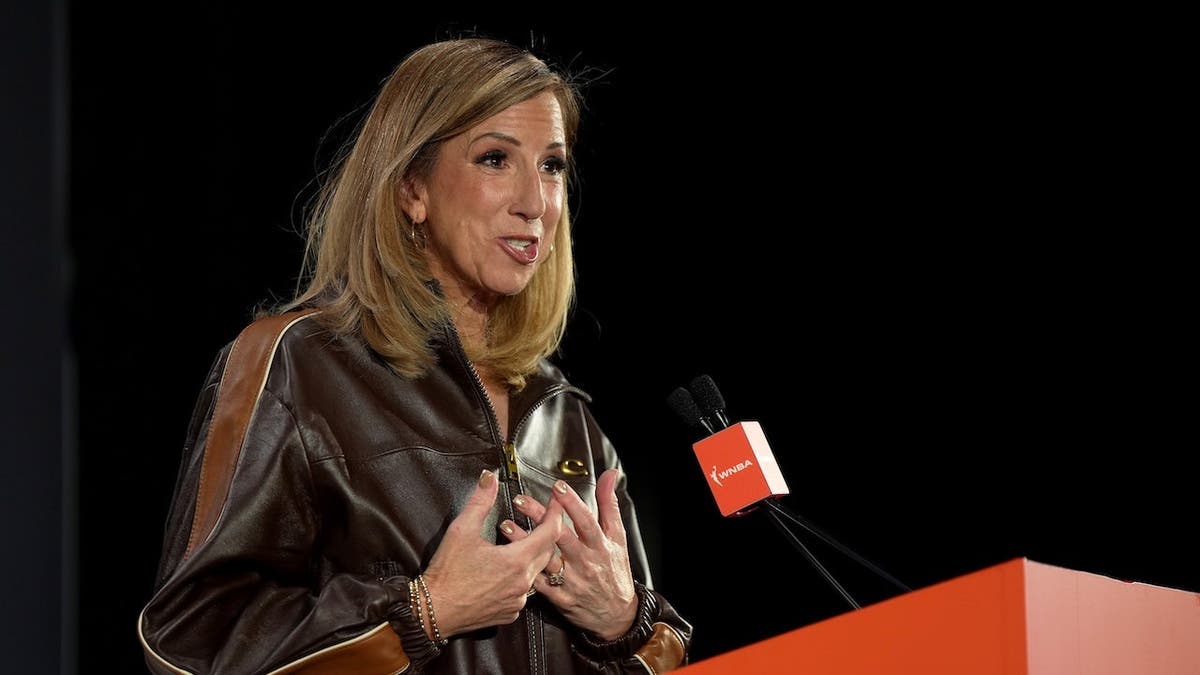
Critics note that the WNBA’s strategy involves avoiding direct answers, chastising critics, and postponing essential decisions. Commissioner Cathy Engelbert, who leads the league, has not provided clarity on who qualifies as a woman. This issue gained attention when Enes Kanter Freedom and Royce White, both former NBA players, declared their intent to enter the 2027 WNBA Draft, spotlighting the absence of a clear definition.
The league’s current collective bargaining agreement stipulates that only women can play in the WNBA. However, the term “woman” is not defined in the lengthy document.
While the league executive engages in discussions, some athletes express strong views. For example, Indiana Fever guard Sophie Cunningham supports reserving women’s sports for biological females. Conversely, Chicago Sky guard DiJonai Carrington’s controversial social media post sparked further debate after her ejection for a foul against Cunningham.
Within the context of these controversies, Fever coach Stephanie White condemned the online community’s hateful rhetoric. However, she focused more on criticizing divisive commentary than the actions on the court.
The issue remains complex, particularly as sports organizations globally have outlined biological eligibility standards. The WNBA continues to conduct meetings, focusing on engagement and issuing public statements. League officials have yet to finalize a stance on protecting women’s sports or addressing biology-related eligibility concerns.
If the WNBA continues prioritizing meetings over decisive action, unintended consequences could force the league to address these issues.