
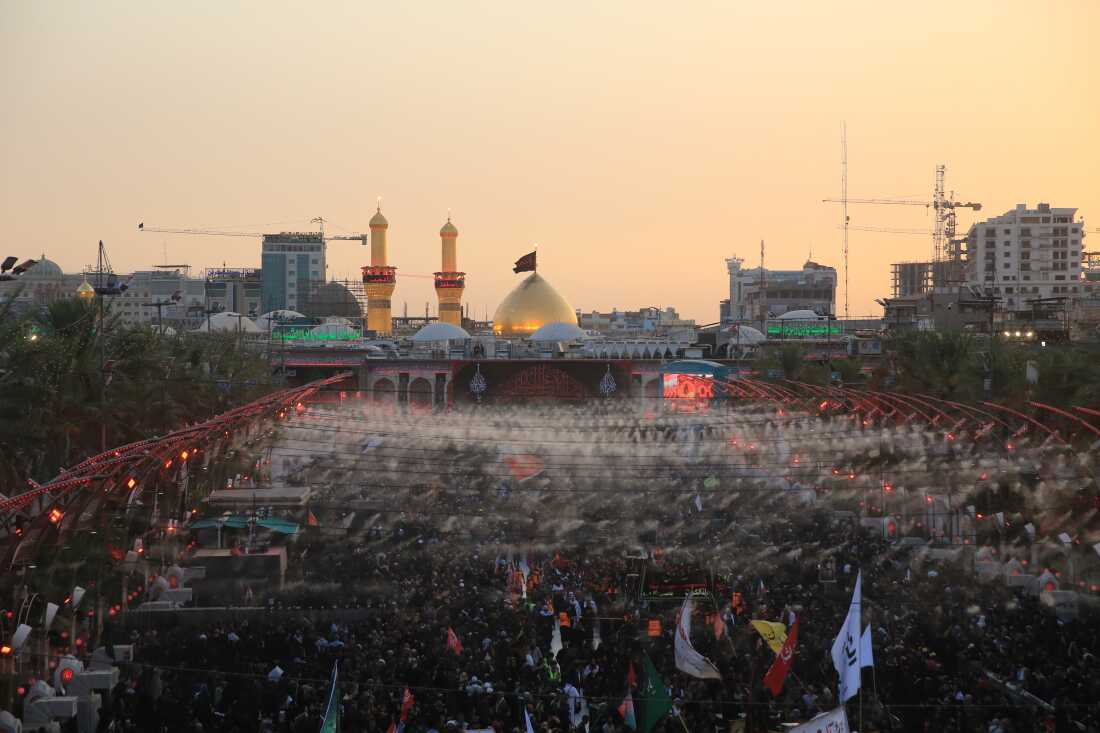
In the holy city of Karbala, Iraq, the annual Arbaeen commemoration draws millions of pilgrims. This event marks the mourning of Imam Hussein, who was killed 1,400 years ago, a story that holds profound significance in Shia Islam.
The Significance of Arbaeen
Arbaeen honors the martyrdom of Imam Hussein and his followers. They were denied water and killed in the Battle of Karbala in 680 CE. This historic event led to the division between Shia and Sunni Muslims. The festival is observed by around 200 million mainstream Shia worldwide. Iran, being predominantly Shia, contributes significantly to this number.
Modern Context and Pilgrimage
The pilgrimage sees immense participation annually, with attendees walking miles to reach Karbala. Many come in groups, funded by package tours, including meals and lodging. Hospitality tents by the roadside offer food and shelter to travelers.
Political Undertones
This year, many pilgrims expressed their grievances over the death of Iran’s Supreme Leader, Ayatollah Ali Khamenei, allegedly at the hands of the U.S. and Israel. This event is viewed as a continuation of injustices against Shia Muslims.
Pilgrims carry banners and flags, displaying portraits of Khamenei and other leaders. This act symbolizes solidarity and a display of Shia strength and identity.
Cultural and Religious Traditions
Inside the Imam Hussein Shrine, pilgrims partake in mourning rituals. They chant and pray, reflecting on the tragic events of Karbala. Many re-enact the battle in traditional costumes, a practice ingrained in the cultural and religious education of Shia children.
The shrine and surrounding areas transform with red flags and lights, signifying vengeance for the martyrs.
Challenges and Resilience
Despite the searing heat and long journeys, the pilgrims demonstrate resilience and commitment. The spirit of resistance is deeply embedded in their culture, often aligned with the Iranian regime’s stance against negotiations with adversaries.
Conclusion
Arbaeen in Karbala is a potent symbol of religious devotion and political expression. This gathering underscores the enduring legacy of Imam Hussein and reflects the complex relationship between faith and geopolitical issues in the region.