
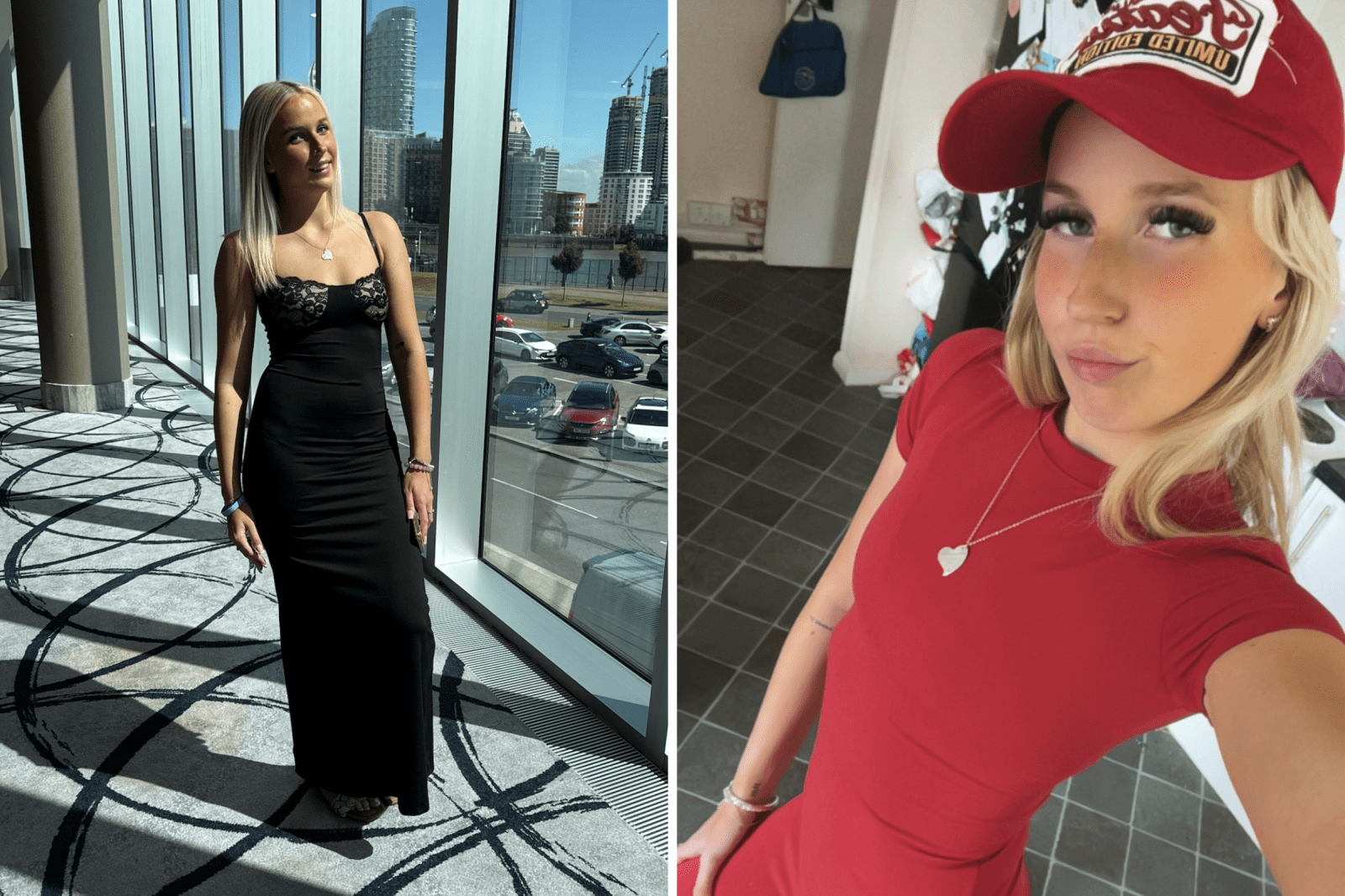
At the start of 2026, I envisioned a year of renewal. Having faced immense grief by age 21, I sought optimism for the future. Yet, the year brought unforeseen challenges.
In January, during a doctor’s visit, a small lump was discovered in my neck. Initially, I wasn’t alarmed due to its size. The doctor asked if I’d been ill recently, suspecting the lump could result from a passing infection, given it was flu season. I was advised to return in six weeks if the lump persisted.
Monitoring the lump, I hoped for its natural disappearance. However, as weeks passed, it grew. By mid-March, not only had the original lump enlarged, but more appeared. My doctor again considered it might result from an infection, possibly linked to my chronic sinusitis.
With no improvement by April, I had at least seven fluctuating lumps, accompanied by symptoms like fatigue, itchy skin, night sweats, and unintended weight loss. Growing more concerned, I urged my doctor to investigate further.
I started to prepare myself for the worst.
I visited a head and neck clinic for further assessment in April. The consultant agreed on the necessity for an ultrasound and biopsy. Though anxious, I reassured myself that all would be well. After the biopsy, I faced weeks of waiting, trying to brace for the worst as the lumps multiplied.
A notification about my biopsy piqued my interest, mentioning “Oxford lymphoma biopsy.” I presumed it merely ruled out lymphoma. Unbeknownst to me, my results were sent to Oxford for further examination.
Days later, at a friend’s house, I found missed calls from the hospital. Panic set in as an emergency appointment was scheduled for the following day. Previously concealed fears emerged.
At the hospital, a consultant, accompanied by a member of the cancer services team, delivered a life-altering diagnosis: lymphoma. At 21, the news turned my world upside down. I remained composed until informed about losing my hair and canceling vacation plans. I was informed of stage two Hodgkin lymphoma.
I am done with bad luck.
The following weeks were overwhelming. My treatment involved six rounds of chemotherapy, which were harsh, causing weakness, acid reflux, and heartburn. In June, with rapid hair loss, I opted to shave my head.
By late July, a PET scan revealed I was in remission, showing no active cancer. Consequently, my chemotherapy regimen was reduced. I’m nearing the completion of my treatment, with hope on the horizon.
Though my health is currently stable, processing the journey remains challenging. I’ve faced considerable grief in recent years, but overcoming cancer has instilled hope for healing. The confluence of grief and cancer is a burden I wouldn’t wish on anyone.
I advise others to trust their instincts. Your awareness of your body can be crucial. If something feels amiss, like a sudden lump, seek medical attention.
Renee Coakes, 22, from the U.K., now uses social media to advocate for Hodgkin lymphoma awareness following her diagnosis. Reach out to Newsweek editors on this story: Charlotte Nisbet and Emma Lee-Sang