
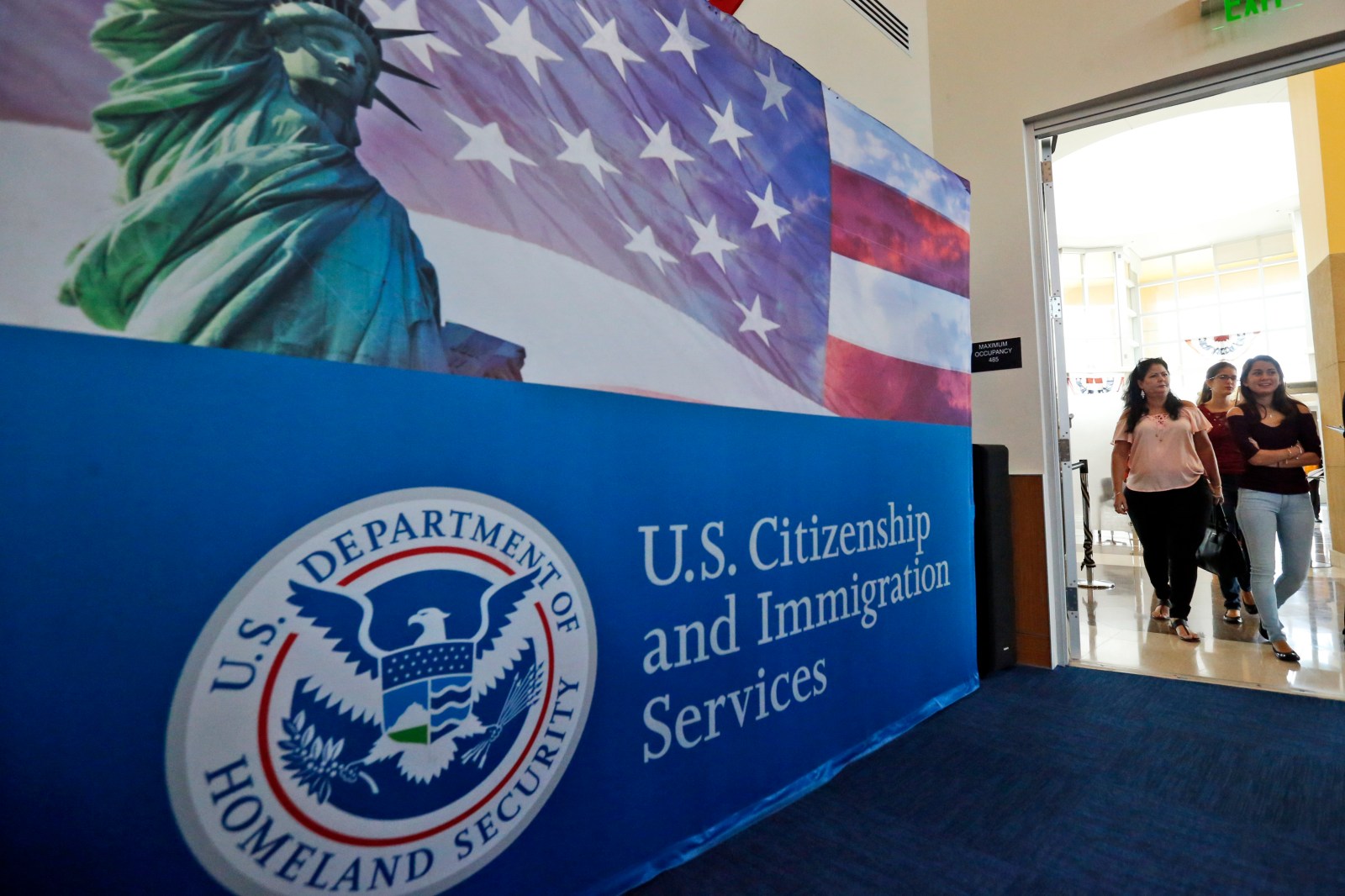
Proposal to Eliminate 60-Day Grace Period for H-1B Visa Holders Advances
The Trump administration is moving forward with a proposal to eliminate the 60-day grace period for H-1B visa holders and other foreign workers. This period currently allows these individuals to remain in the United States after losing their jobs. With the proposed removal, affected workers may have fewer options to maintain their legal status following layoffs.
The Department of Homeland Security (DHS) has sent the proposal to the White House for regulatory review. If approved, it would remove a safeguard established in 2017.
Current Grace Period Rules
Presently, workers with employment-based visas can stay in the country for up to 60 days after job loss. This allows them the opportunity to find another employer, seek different immigration statuses, or prepare to leave the United States.
The suggested change would eliminate this period, potentially accelerating the risk of losing legal status for these workers.
Who Will Be Affected?
The grace period impacts multiple categories of employment-based visas. This includes H-1B, H-1B1, L-1, O-1, TN, E-1, E-2, and E-3 visa holders.
According to FWD.us, approximately 730,000 H-1B visa holders currently live in the United States, along with about 550,000 dependent family members. This highlights the significant reach any changes to the program might have.
Recent Changes to H-1B Program
Since taking office, the Trump administration has aimed to increase costs for employers hiring foreign workers and tighten visa eligibility requirements. A $100,000 fee plan for certain new H-1B petitions was blocked by federal courts. Efforts to replace the traditional H-1B lottery with a system favoring higher-paid workers are ongoing.
Recently, DHS finalized rules expanding $4,000 and $4,500 biometric screening fees to some H-1B and L-1 visa extension petitions. This adds to the cost burden employers face when retaining foreign workers.
Proposal Review Process
The proposal is currently under review. The 60-day grace period remains valid while the rulemaking process continues. If the proposal is approved for publication, it will be published in the Federal Register and opened for public comments.
Detailed aspects of the proposal will remain unknown until the administration releases the text publicly.
Implications for H-1B Workers
The grace period was introduced in the final days of the Obama administration, taking effect in 2017 to offer flexibility to highly skilled foreign workers facing layoffs.
For H-1B workers, finding a new job after a layoff is only part of the challenge. A potential employer must agree to sponsor them and submit necessary immigration filings. Eliminating the grace period could constrict the time available to complete both steps before visa status expires.
Next Steps
Without the 60-day grace period, workers who lose their jobs may face increased pressure to swiftly find new sponsorship, secure another immigration status, or exit the United States before legal status is jeopardized.
The proposal is still under review. If finalized, the grace period will end upon adoption of the new rule.