
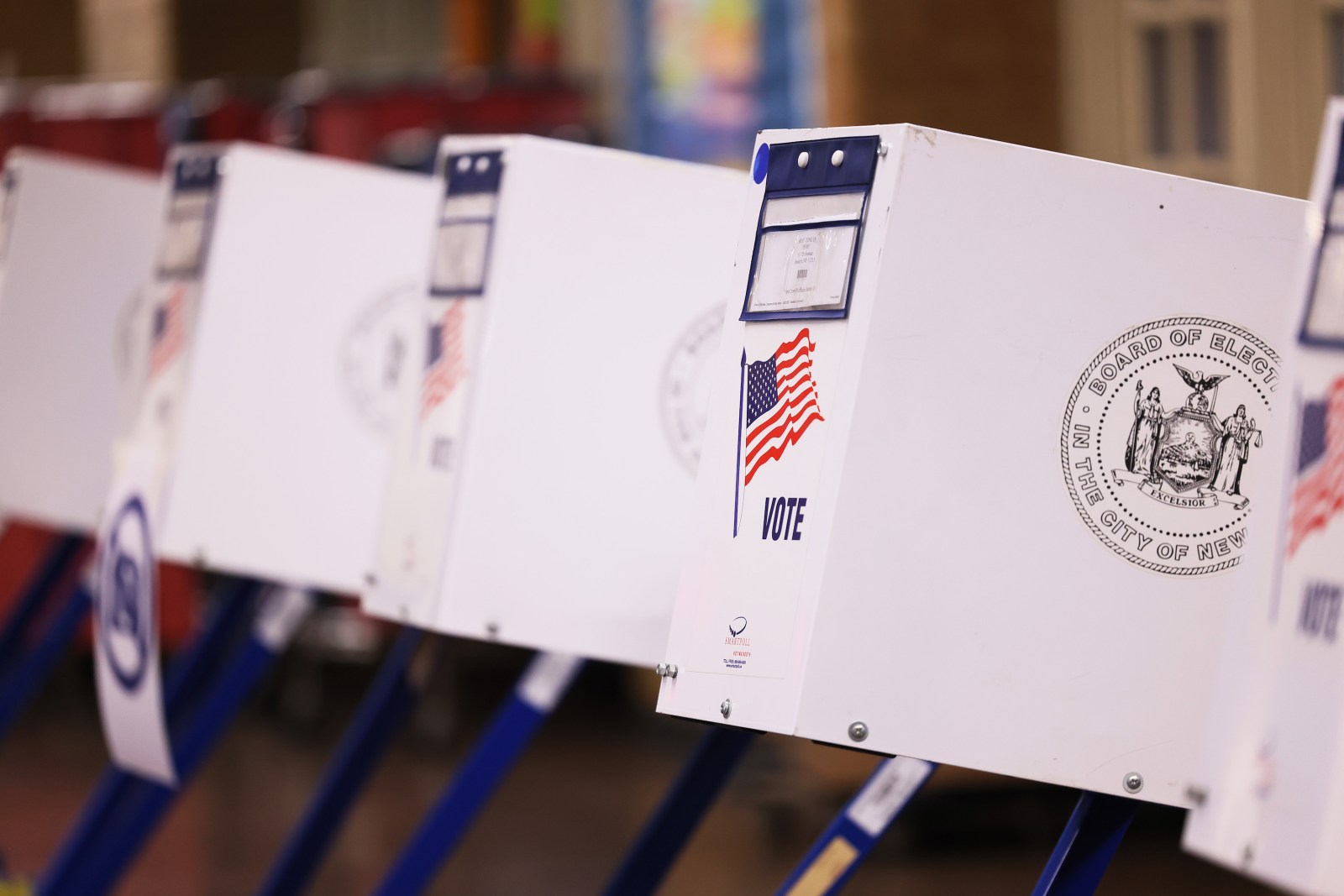
As the United States commemorates 250 years since its founding, it’s crucial to evaluate the progress of democracy and whether every eligible citizen enjoys equal voting rights. This question gains urgency amid new voting barriers proposed in Congress and the erosion of existing protections, particularly affecting Black Americans.
Preserving Freedom in Democracy
Freedom requires active protection and renewal. A milestone anniversary prompts not only celebration of past achievements but also scrutiny of ongoing democratic deficits, especially concerning Black Americans. Ensuring the right to vote remains a critical battlefront.
Recent federal actions and statements further threaten fair elections under the guise of enhancing ‘security’ and ‘integrity.’ The history of voting rights for African Americans is marked by expansions and setbacks. Despite constitutional amendments and civil rights victories, challenges like poll taxes, literacy tests, and violence have persisted. Newer obstacles include precinct closures and restrictive ID laws.
Current Voting Challenges
The democratic process now faces evolving threats. Communities vital to America’s progress—especially Black and brown groups—face disproportionate impacts. In the last year, the Supreme Court has allowed efforts to undo civil rights advancements, undermining the Voting Rights Act and allowing racial discrimination and extreme gerrymandering.
Legislation like the Safeguard American Voter Eligibility (SAVE) Act, which proposes stringent voter registration requirements, exacerbates the situation. Requiring documents like passports or birth certificates will make registration difficult for millions, including many Black, brown, young, low-income, and elderly citizens.
Local Efforts and Federal Responsibility
Mayors from Black and brown communities strive to address these challenges by investing in secure voting infrastructure, expanding early voting, and supporting nonpartisan education efforts. They emphasize protecting voters without intimidation. Collaboration with grassroots organizations aims to combat disinformation and inform residents of their rights.
These local initiatives need federal support to address the magnitude of the threat. Congress must restore key Voting Rights Act protections, curb discriminatory state laws, and uphold election security funding. Investments in election infrastructure strengthen both national security and public trust.
Rejecting Restrictive Legislation
Congress must oppose the SAVE Act and promote accessible voting reforms such as automatic and same-day registration, extended early voting, and safeguards against wrongful purges. Effective election policies should simplify participation for eligible Americans.
A Shared Responsibility
While mayors commit to protecting voting rights, shared responsibility lies with all government levels, community leaders, and voters. Everyday citizens can contribute by serving as poll workers, spreading accurate information, or supporting access to polls.
When familiar faces are involved at polling sites, trust enhances, and misconduct finds less opportunity. Defending democracy requires constant effort. Looking forward, learning rights, supporting each other, and voting remain imperative actions for safeguarding democracy.
This article reflects the views of Mayors Shawyn Patterson-Howard, Vince R. Williams, Alix Desulme, Steven Reed, Phillip Jones, Van R. Johnson, Jr., Kim A. Thomas, and Errick Simmons, all part of the African American Mayors Association, the sole organization representing African American mayors in the U.S.