
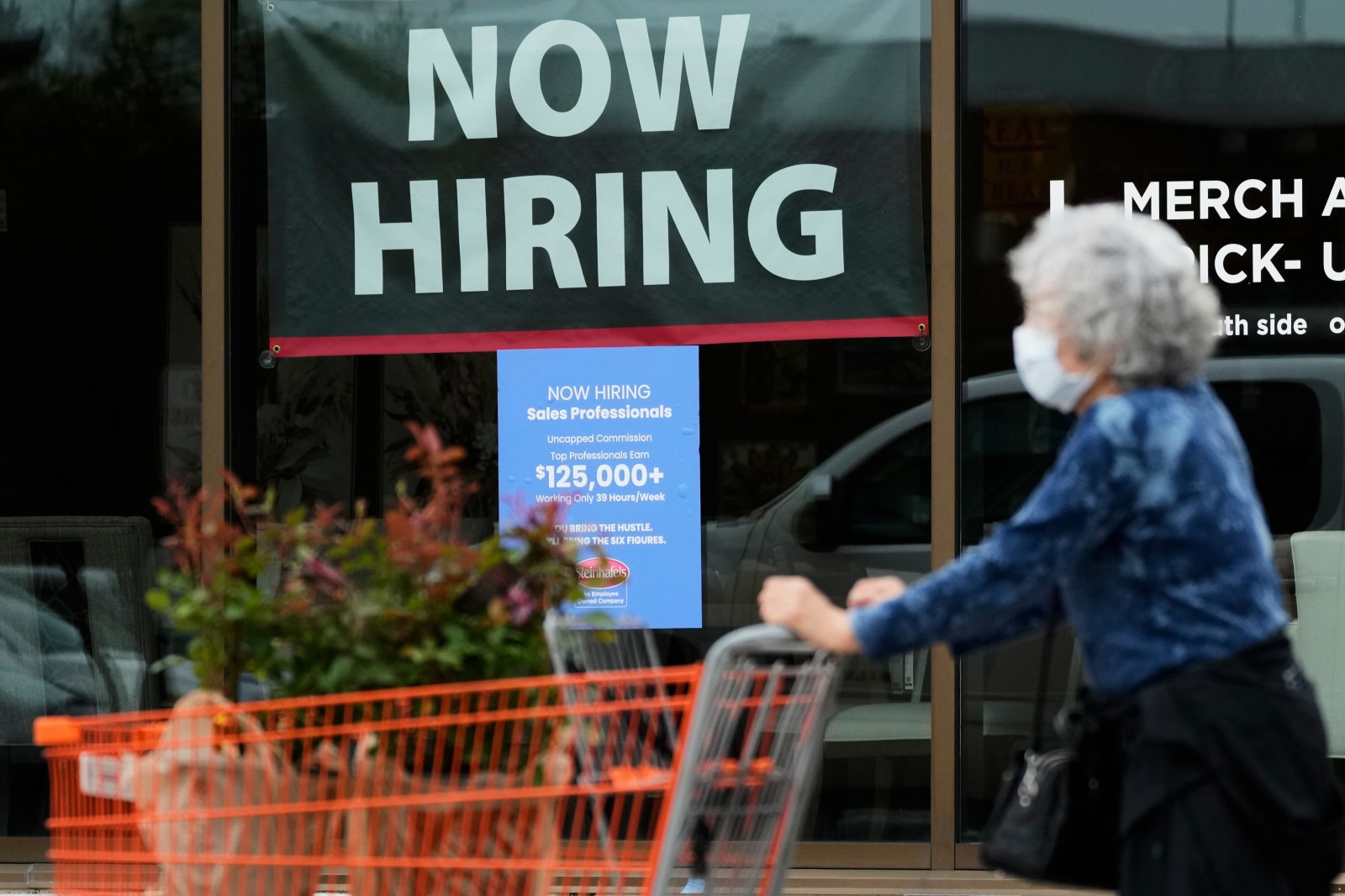
Decline in Employment Figures
The release of an unexpectedly weak jobs report has reshaped expectations for Federal Reserve interest rate adjustments this year. The latest Bureau of Labor Statistics data shows U.S. employers cut 23,000 jobs in July. Additionally, hiring data from previous months was revised significantly downwards. Declines occurred particularly in local government, education, and retail sectors.
The July report was more discouraging than analysts anticipated, casting doubt on the perceived strength of the labor market. Charlie Ripley, senior investment strategist at Allianz Investment Management, highlighted the shift in focus to employment data as crucial for the Fed’s mandate, stating it complicates immediate rate hikes.
Impact on Fed Rate Decisions
The job losses further justify the Federal Reserve’s decision to maintain current interest rates in late July between 3.5 percent and 3.75 percent, amidst ongoing inflation concerns linked to geopolitical tensions with Iran. Fed Chair Kevin Warsh outlined the goal to reduce inflation to 2 percent, an endeavor expected to require considerable time.
Jamie Cox, managing partner at Harris Financial Group, views the jobs report as a temporary dip in the labor market, suggesting its softness remains a primary economic concern. Weak labor market conditions decrease the likelihood of rate increases later this year, despite potential complications from low unemployment rates.
LPL Financial’s chief economist Jeffrey Roach suggests hiring slowdowns should support keeping rates unchanged during the Fed’s upcoming meeting. These decisions indirectly influence mortgage rates, which follow long-term Treasury yields reacting to federal funds rate changes.
Reflections for Homebuyers
Recent data alters expectations for Fed rate hikes, bolstering arguments for eventual cuts. Jake Krimmel, senior economist at Realtor.com, explains how indecision or rate cuts might favor homebuyers worried about rising mortgage rates due to external inflation pressures.
However, a weaker jobs market might reduce consumer confidence. Concerns about job security and uncertain economic outlooks might deter long-term commitments like homebuying, despite potentially stable mortgage rates.
While financing may improve under a softer labor market, reduced demand from potential buyers could balance any benefits. Realtor.com notes July’s housing market was calmer than labor conditions, yet signs of summer slowdown were apparent.
Sellers have adjusted pricing realistically, pending sales surpass last year’s pace slightly, and homes sell quicker than the previous year. Yet, the labor market’s lack of momentum does not contribute significantly to housing demand.
Both the Fed and potential homebuyers are exercising caution. Currently, Freddie Mac reports a modest increase in the 30-year fixed-rate mortgage to 6.69 percent. Inflation fell to 3.5 percent in June from May’s 4.2 percent, marking its first dip in five months.
The Federal Bank of Cleveland projected a July core inflation increase of 0.2 percent, with a 2.5 percent rise over the past year. Awaiting the Bureau of Labor Statistics’ forthcoming inflation report on August 12 will shed further light on inflation trends.