
Dan Dakich Criticizes WNBA and Media
Dan Dakich, host of OutKick, criticized the WNBA and media for their handling of star player Caitlin Clark. He argued that despite the league’s 30-year history, it fails to leverage Clark’s popularity. He attributed this to factors like ‘petty jealousies, racism, and sexism.’ Dakich believes these factors negatively affect Clark and hinder the potential growth of the sport.
Incident Involving DiJonai Carrington
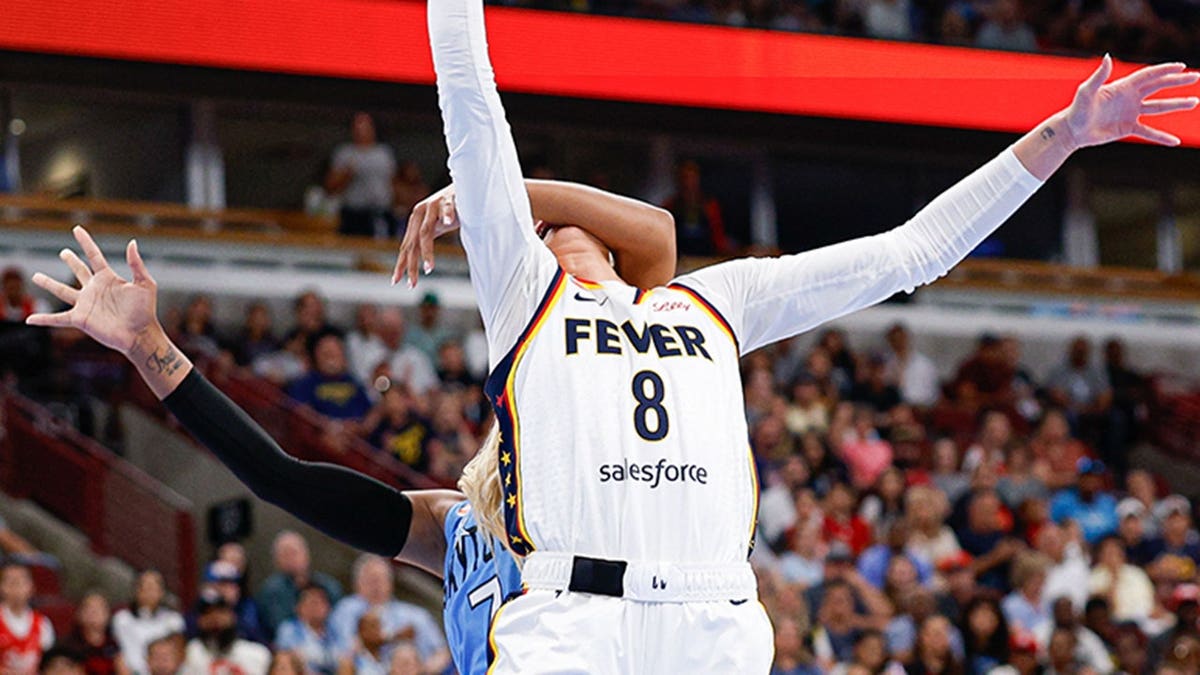
In a recent incident, Chicago Sky guard DiJonai Carrington was ejected for a Flagrant 2 foul during a game against Indiana Fever’s Sophie Cunningham. Following this event, Carrington made a controversial post on her Threads account, highlighting ‘white privilege.’ This post raises questions about race-based allegations in the sport.
Context of the Ejection
The ejection occurred in the first quarter after Carrington struck Cunningham across the head during a layup attempt. Officials reviewed the situation and upgraded the foul to a Flagrant 2, leading to Carrington’s automatic ejection. Cunningham needed restraint post-foul and indicated her mouth was bleeding.
Interpretation and Response
The timing of Carrington’s post hints at a belief that racial bias influenced the decision. Although Carrington did not explicitly accuse referees of racism, tagging the Indiana Fever implies an accusation. The WNBA faces a challenging situation. It must decide whether to punish Carrington, risking potential backlash, or to refrain from action and face accusations of differing racial standards.
OutKick Reaches Out
OutKick contacted the WNBA, the Players’ Association, and the Chicago Sky to inquire about Carrington’s post. They sought clarification on whether the post suggested racial bias in Carrington’s ejection and asked about possible disciplinary actions. At the time of publication, none of the organizations had responded.
Broader Implications
While officiating complaints are common across sports, Carrington’s race-based allegations introduce the notion that race might influence decision-making. This incident also involves broader issues within the WNBA regarding political and social expressions. Sophie Cunningham, involved in the incident, is a controversial figure due to her stance against biological men competing in women’s sports, adding complexity to the situation.
Call for Clarification
Clarity is essential. If Carrington’s accusations are based on more than officiating decisions, this must be made explicit. Her claim of ‘white privilege’ needs addressing by the league and associated organizations, given their stance on social and political engagement. The WNBA and the WNBPA must navigate these challenges and maintain consistency in their policies and responses.