
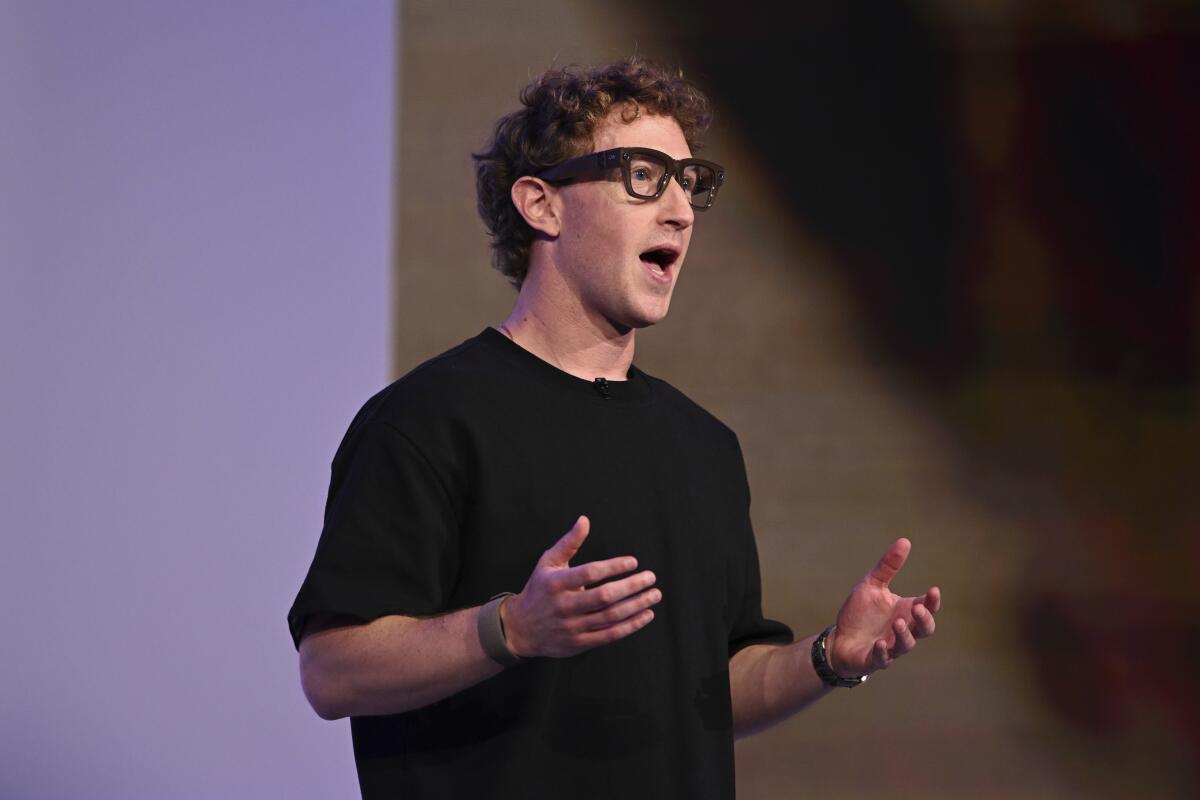
Meta strives to make a mark with its smart glasses, yet these advanced devices have also faced backlash, earning the nickname, ‘pervert glasses.’ The social media giant leads the market for smart glasses, which enable users to take photos, shoot videos, listen to music, take calls, and interact with an AI assistant.
However, misuse has caused concern. Some use the glasses, resembling standard spectacles, to secretly film individuals and upload these to social media platforms. Instances include secretly recording interactions, especially when trying to flirt. This has increased worries about being unknowingly filmed at places like gyms or even in private settings.
This controversy has pressed Meta to enhance its glasses to tackle these privacy issues, and some venues have opted to ban them altogether. Jitesh Ubrani from IDC notes that while it remains uncertain if this will impact sales, the negative press cycle might affect broader consumer interest despite initial adopters remaining unfazed. Advances in AI are both propelling hardware development and stirring debates over their implementation.
Jacob Bourne from eMarketer emphasizes the tech industry’s sensitivity in maintaining positive consumer sentiment. AI influences, including its role in smart glasses, are under scrutiny. A related case involves Gaby Luisa, who was approached outside a dance club in Arizona. A man recorded her interaction using what appeared to be Meta’s glasses and posted it online without her consent.
Meta retails its smart glasses online and through major outlets like LensCrafters and Best Buy, pricing between $224 to $800 depending on the model. Collaborations include brands like Ray-Ban and Oakley and celebrities like Kylie Jenner and Jennie from Blackpink. IDC data shows that in the year’s first quarter, Meta claimed about 69% of the smart glasses market, with the segment’s global value more than tripling year-on-year.
Although Meta glasses feature a white light to indicate recording, users in some cases have circumvented this by disabling the light for covert filming. The proliferation of such videos further fuels concerns, with clips often showing people being approached in public spaces unaware. Many of these clips, though portrayed humorously, depict discomfort expressed by those recorded.
The public outcry extends beyond social media. For instance, comedian Jimmy Kimmel openly criticized the glasses, and singer Lorde expressed their unappealing nature. Meta responded with updates ensuring cameras would disable if tampered with, aiming to bolster privacy as their glasses evolve.
Despite these steps, platforms like Instagram have taken action against videos breaching harassment policies. With companies like Apple, Google, and Samsung interested in smart glasses, experts expect broader consumer interest, although privacy concerns remain a hurdle. The American Civil Liberties Union, along with over 70 groups, urged Meta to avoid facial recognition in its glasses due to privacy risks, with Meta responding cautiously about future developments.
Previous smart glasses like Google Glass faced similar backlash, with some wearers of the $1,500 glasses being derogatorily called ‘Glassholes’ for inappropriate use. Snap’s foray into glasses, marketed through vending machines, also saw limited success. The negative sentiment around smart glasses is causing users to reconsider where they wear them, avoiding awkward situations.
For example, Ben Cook, a TikTok creator from New York, uses his Meta glasses for music and hands-free calls but avoids social events to dodge conversations about spying. Courthouses, like in Los Angeles, have taken measures to limit smart glasses use, given concerns about recording in sensitive settings.
Businesses such as Seattle’s 5 Point Cafe ban these glasses, prioritizing customer privacy. Innovative solutions are also emerging, like Yves Jeanrenaud’s app detecting nearby smart glasses. With 110,000 Android downloads, it underscores public unease about privacy and tech’s role in interpersonal interactions. Jeanrenaud’s own experience on a train highlighted the issue, where an alert notified him of nearby smart glasses.