
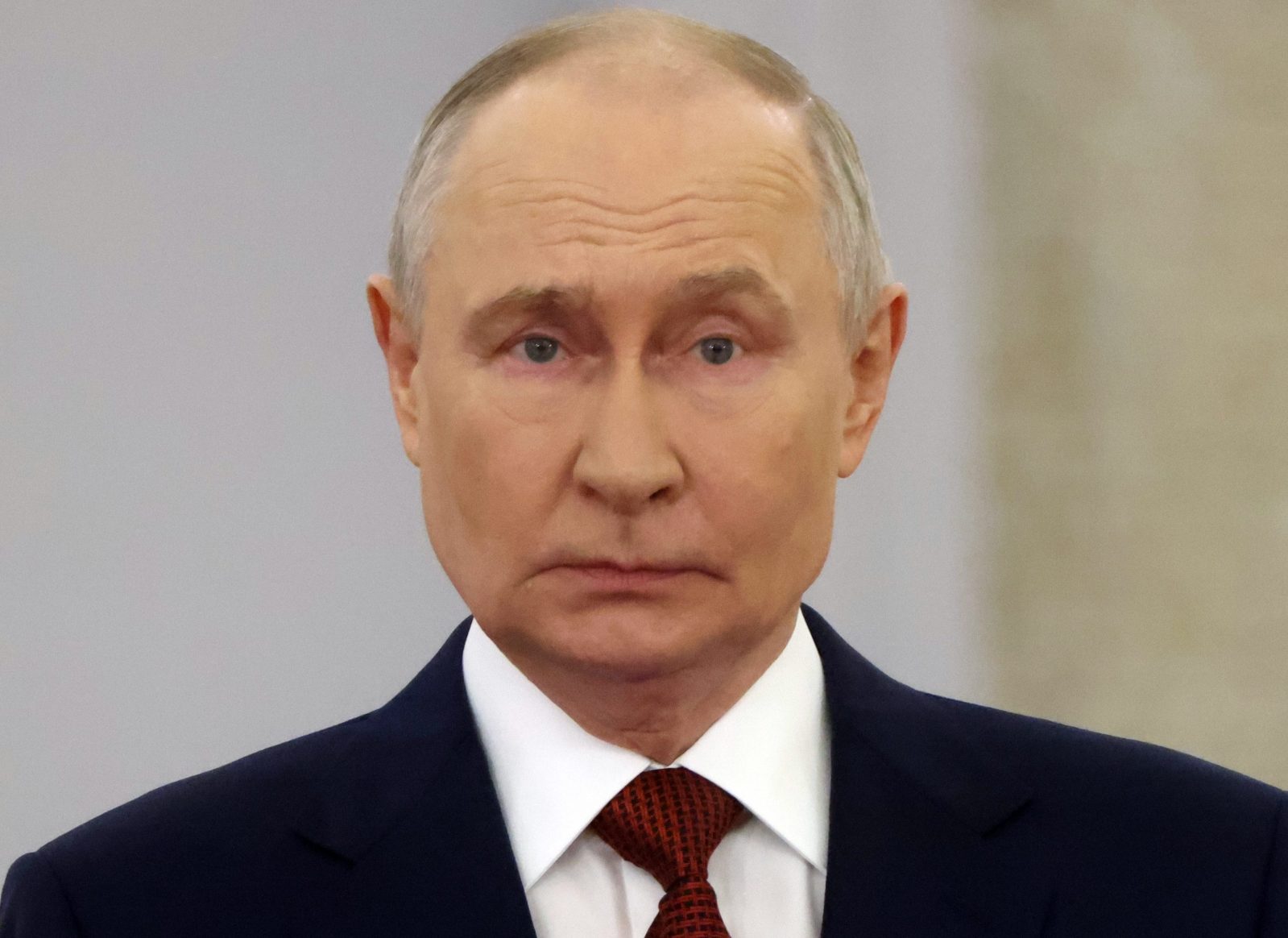
As Russia approaches its first parliamentary elections since the military incursion into Ukraine, President Vladimir Putin faces a complex situation. Despite the security of his party, United Russia, the challenges brought on by Ukraine’s military successes pose significant concerns.
The Military and Political Landscape
United Russia seems poised to retain power without much campaigning, a luxury afforded by Putin’s authoritarian governance. However, Ukraine’s recent successful military strategies, including targeted strikes on vital infrastructures like oil refineries and energy facilities, have intensified economic pressures within Russia.
Furthermore, Ukraine’s military efforts have inflicted heavy losses on Russian forces, exacerbating the situation for Putin. The impending State Duma elections require careful navigation to avoid unpopular moves like mass mobilization.
Mobilization Dilemmas
In September 2022, Russia initiated a substantial mobilization of 300,000 reservists. This move spurred public unrest, influencing thousands to leave the country. Despite Russian Prime Minister Dmitry Medvedev’s claims about recruitment successes, the need for significant strategic advancements remains unmet.
Speculation about another mobilization continues, with predictions of calling up hundreds of thousands more soldiers. Attempts to reassure the public about the absence of a new mobilization reveal growing tensions and the sensitivity of the issue.
Efforts to Boost Military Recruitment
Russian authorities are adjusting recruitment strategies, including removing criminal offenses as barriers for military contracts. They have increased incentive payments for new recruits and initiated efforts in educational institutions to attract personnel.
Economic and Infrastructural Challenges
Ukraine’s attacks on Russian infrastructures, including major companies like Wildberries, significantly disrupt Russia’s economy. Such actions have led to increased consumer goods prices, order cancellations, and difficulties for smaller businesses.
Russia’s fuel production downturn has resulted in widespread shortages, with predictions of worsening conditions by autumn. Export-related figures also indicate a decline, putting additional strain on the economy.
Financial Reforms and Economic Impact
In response, the Russian government has implemented tax reforms, increasing VAT to 22% and lowering the threshold for VAT payments. These measures added burdens on businesses already facing supply chain challenges.
The Central Bank has drastically cut GDP forecasts and increased inflation projections, indicating slow economic growth.
United Russia’s Standing Ahead of Elections
United Russia retains strong control over the State Duma, reducing the immediate threat to their legislative control. Nonetheless, sentiment among the populace reveals dissatisfaction, with significant portions of the population perceiving economic declines and reduced living standards.
Despite polls showing a decrease in popularity, the central power remains confident in winning the upcoming elections. The targets for election results, however, have been adjusted to reflect realistic expectations amid growing public discontent.
Conclusion
While United Russia is expected to secure its position, the complexities of the military and economic situation in Russia highlight the tenuous balance Putin must maintain. Ukraine’s continued focus on strategic disruptions signals their approach outside traditional electoral influence.