
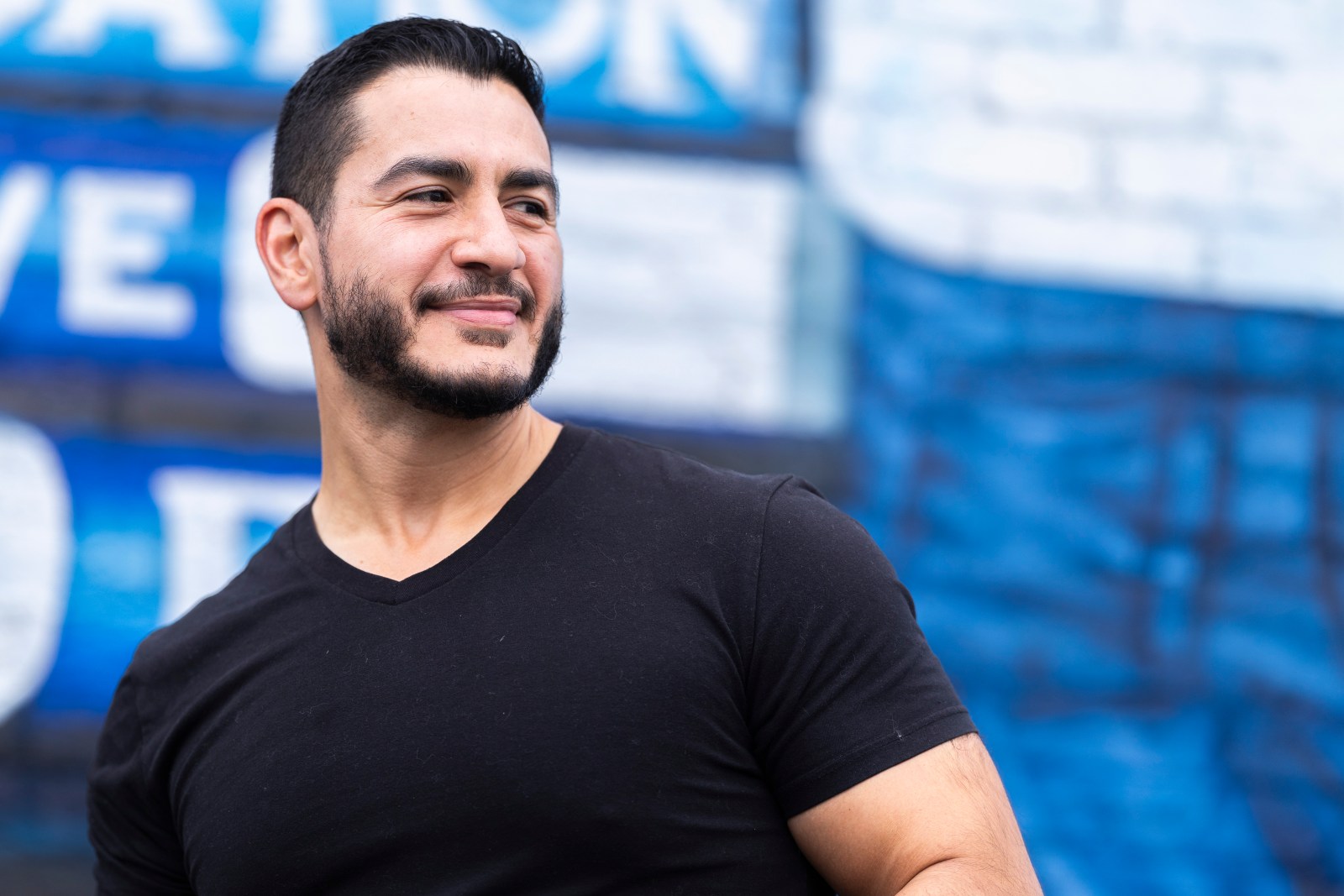
The Democratic Primary race in Michigan has concluded, with Dr. Abdul El-Sayed securing the nomination for the Senate. This narrow victory highlights the influence of the progressive faction within the party, as El-Sayed defeated establishment candidate Haley Stevens in a highly contested race. This election became a battleground for debates on corporate influence, Israeli relations, and government roles, reflecting broader questions about the future of the Democratic Party.
El-Sayed, a former state public health official, attributes his triumph to challenging traditional political norms. He dismisses conventional wisdom, comparing his underestimations to those of Donald Trump’s unexpected victories. El-Sayed aims to connect with voters by addressing kitchen table issues like healthcare, housing, and education.
On the other side, Republican nominee Mike Rogers, a former House Representative, has embraced a strategy focusing on economic revival and education reform. His campaign underscores a need for centrist appeal, alongside support from Trump’s base. Despite the GOP’s past struggles in Michigan, Rogers believes recapturing moderate voters could mirror success at the national level.
The role of anti-establishment sentiments in Michigan cannot be ignored. Rogers seeks to brand El-Sayed as an inflexible progressive, citing El-Sayed’s association with controversial figures and foreign property holdings. Rogers argues that these connections detract from local issues Michigan faces, like job loss and high energy rates.
El-Sayed counters by framing Rogers as aligned with corporate interests and influential lobbies like AIPAC. He highlights foreign policy issues like the Iran conflict and also criticizes Rogers for prioritizing financial support over public need. While these points resonated in the primary, their impact on the general electorate remains uncertain.
Despite internal Democratic challenges, key state figures like Governor Gretchen Whitmer and Senator Gary Peters initially supported Stevens. Whether Stevens’ prior supporters and Michigan’s primary voters will rally behind El-Sayed in the general election remains to be seen. El-Sayed’s campaign hinges on portraying himself as an outsider unbound by party constraints.
The upcoming race between El-Sayed and Rogers will test their theories of voter attraction. El-Sayed aims to flip disillusioned centrists and independents by nurturing a populist platform. Meanwhile, a substantial portion of the electorate remains skeptical of both major parties, as evidenced by YouGov’s data on voter disapproval.
This election could redefine political landscapes, establishing new norms for what constitutes electoral success. If El-Sayed wins, this might validate an outsider strategy in politics, challenging the status quo both in Michigan and beyond. As El-Sayed remarked, the ongoing political discourse suggests long-term shifts within the establishment’s perceived authority, regardless of party affiliation.