
Iran’s political factions are increasingly invoking Supreme Leader Mojtaba Khamenei to attack opponents and secure their positions. Questions persist about whether he actively governs the country, according to an Iran expert.
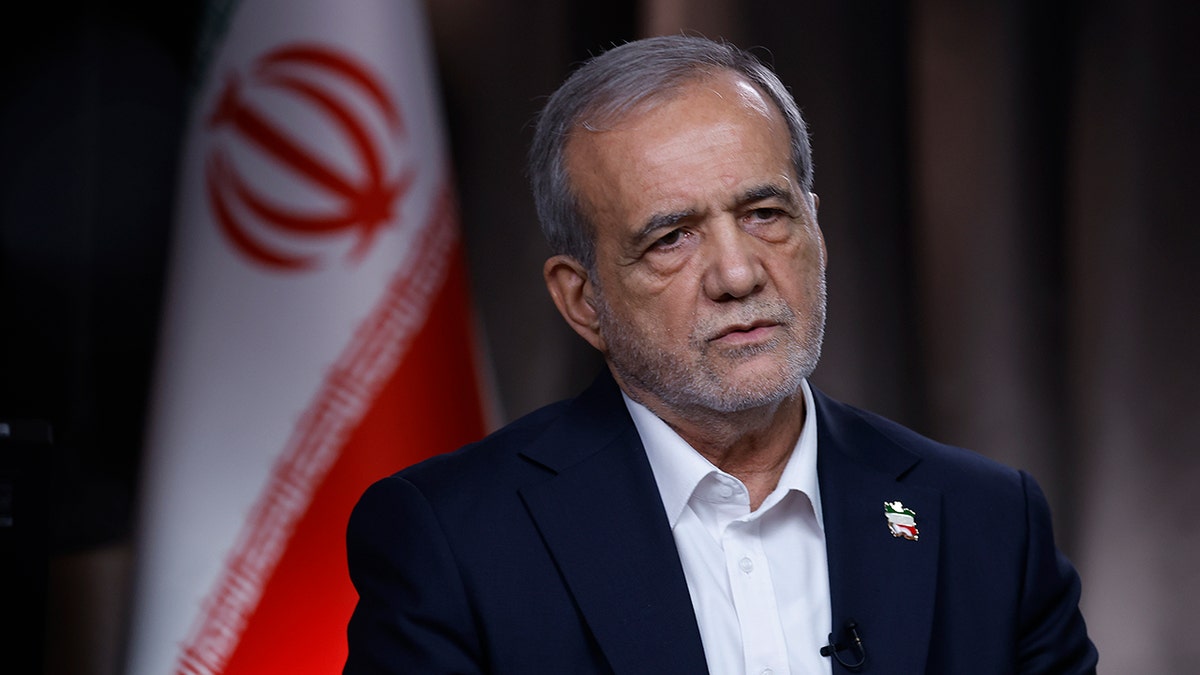
Reports from Iran International highlight tension involving Iranian President Masoud Pezeshkian’s connection with the new supreme leader. One report mentions senior cleric Mohammad-Bagher Kharrazi, related to the Khamenei family by marriage, claimed Pezeshkian threatened resignation and was warned it would be accepted.
Pezeshkian’s office denied this, calling the claim baseless. An advisor said Kharrazi lacked contact with the supreme leader and was known for telling strange stories. Another report stated Pezeshkian only met Khamenei once, briefly, under obscure circumstances. Pezeshkian questioned if he heard the leader’s real voice.
The allegations lack independent verification, with Pezeshkian previously describing a lengthy, cordial meeting. Kasra Aarabi, from United Against Nuclear Iran, sees the claims reflecting deeper struggles in Iran’s power structure, described as an “Islamist oligarchic mafia system.” Under Ali Khamenei, the supreme leader was the system’s “godfather,” arbitrating among factions. Mojtaba Khamenei’s public absence has created uncertainty about true leadership.
Aarabi notes factions are not primarily divided by ideology but compete for power and economic interests. Mojtaba’s name acts as a political tool within this environment. Each faction tries to legitimize its actions by invoking his name, though it’s unclear if Khamenei is active.
Exiled journalist Mehdi Ghadimi sees resignation rumors as a recurring strategy by reformists, building public sympathy when their influence wanes. Ghadimi argues similar patterns with previous presidents. On Khamenei’s status, Ghadimi doubts he functions, speculating on his condition. Mojtaba has not appeared publicly since his appointment.
Aarabi warns against using Khamenei’s name without proof of life. Doubt about his status could escalate infighting. The report illustrates factional dynamics, with Pezeshkian’s opponents using Khamenei’s authority against him, while Pezeshkian’s allies defend his direct interaction with the leader.
Aarabi concludes, “There’s only so many times you can use someone’s name without any proof of life that they actually exist.”