
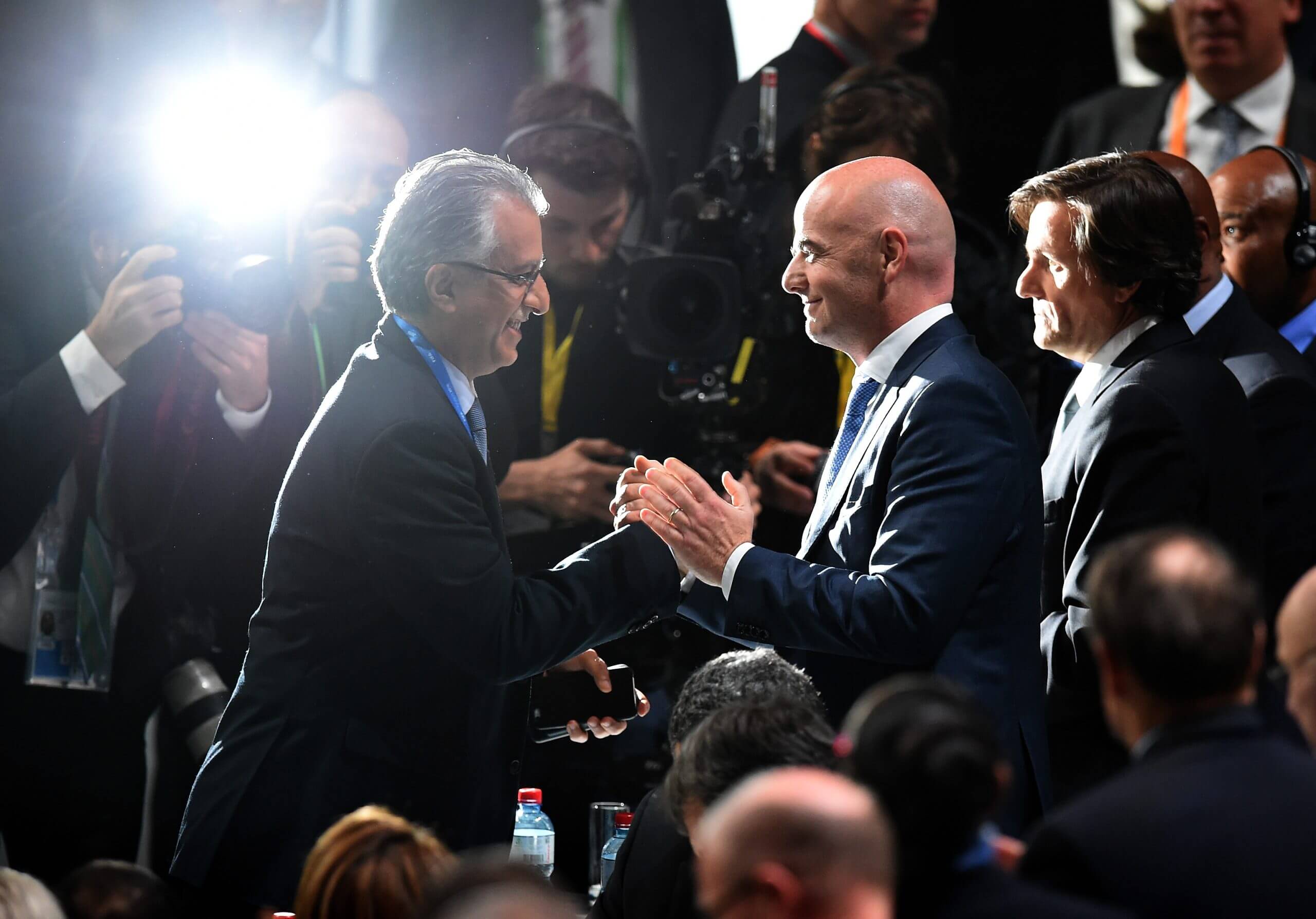
Gianni Infantino recently addressed the 2026 FIFA Congress in Vancouver, indicating his intention to seek re-election as FIFA president. However, the situation is not as straightforward as it seemed months ago.
Earlier, Infantino was expected to run for a third term unopposed, stretching his presidency until 2031. Yet recent developments cast doubt on this prospect. A collapsed deal to sell part of FIFA’s commercial operations, criticized by UEFA, has shaken confidence in his leadership. Infantino’s allies have also begun distancing themselves.
Infantino’s Reelection: Challenges Arise
Infantino’s reelection, once guaranteed, is now fraught with uncertainty. The planned presidential election, set for March 17, is no longer assured.
FIFA’s Presidential History
FIFA presidency changes are rare. Since Robert Guerin became the first president in 1904, only nine people have held the position. Infantino, in office since 2016, is only the third president since the 1970s, following Joao Havelange and Sepp Blatter. Blatter’s tenure ended amid corruption allegations, prompting FIFA to cap presidential terms at 12 years. Infantino has managed to work around this by discounting his initial three-year term, potentially allowing for 15 years in office with re-election.
Election Procedure and Requirements
FIFA holds presidential elections every four years during its Congress following a men’s World Cup. Infantino was unopposed in the 2019 and 2023 elections, elected by acclamation without a formal vote. The last competitive election was in 2016, where Infantino emerged victorious over four candidates.
Interested candidates must have been active in football for at least two of the last five years and secure backing from five member associations. This year, the supporting declarations deadline is November 18. Infantino claimed support from 200 out of 211 member associations earlier but recent opposition from Wales, England, and others challenges this claim.
Voting Dynamics
Winning requires over 50 percent of votes if two candidates are in the race, equating to 106 votes from 211 associations. Each association’s vote carries equal weight. Traditionally, smaller nations have supported Infantino, but backlash from UEFA, AFC, and Concacaf creates new challenges.
Qatar supports Infantino, highlighting divisions within associations. No bloc voting occurs, ensuring secrecy in elections. Historically, even publicly-backed candidates have not secured enough votes; for instance, Sheikh Salman in 2016.
FIFA’s Presidential Election Timeline
The upcoming presidential vote on March 18, 2027, in Morocco is crucial. It will influence FIFA’s leadership heading into the 2030 centenary World Cup. An earlier vote of no confidence could change the timeline.
Infantino’s future is uncertain, as an emergency Congress can be called by a fifth of member associations or if the majority of FIFA’s Council seeks new leadership. The next few weeks are critical in determining FIFA’s direction and Infantino’s career viability.