
Overview of Trump’s Strategy and Criticisms
President Donald Trump’s policies regarding Iran are under examination, as he aims for a diplomatic resolution to a conflict that began with military actions. Initially, officials predicted a swift resolution. However, nearly half a year later, Trump’s dual approach—promising an imminent agreement while warning of possible military escalation—has sparked criticism.
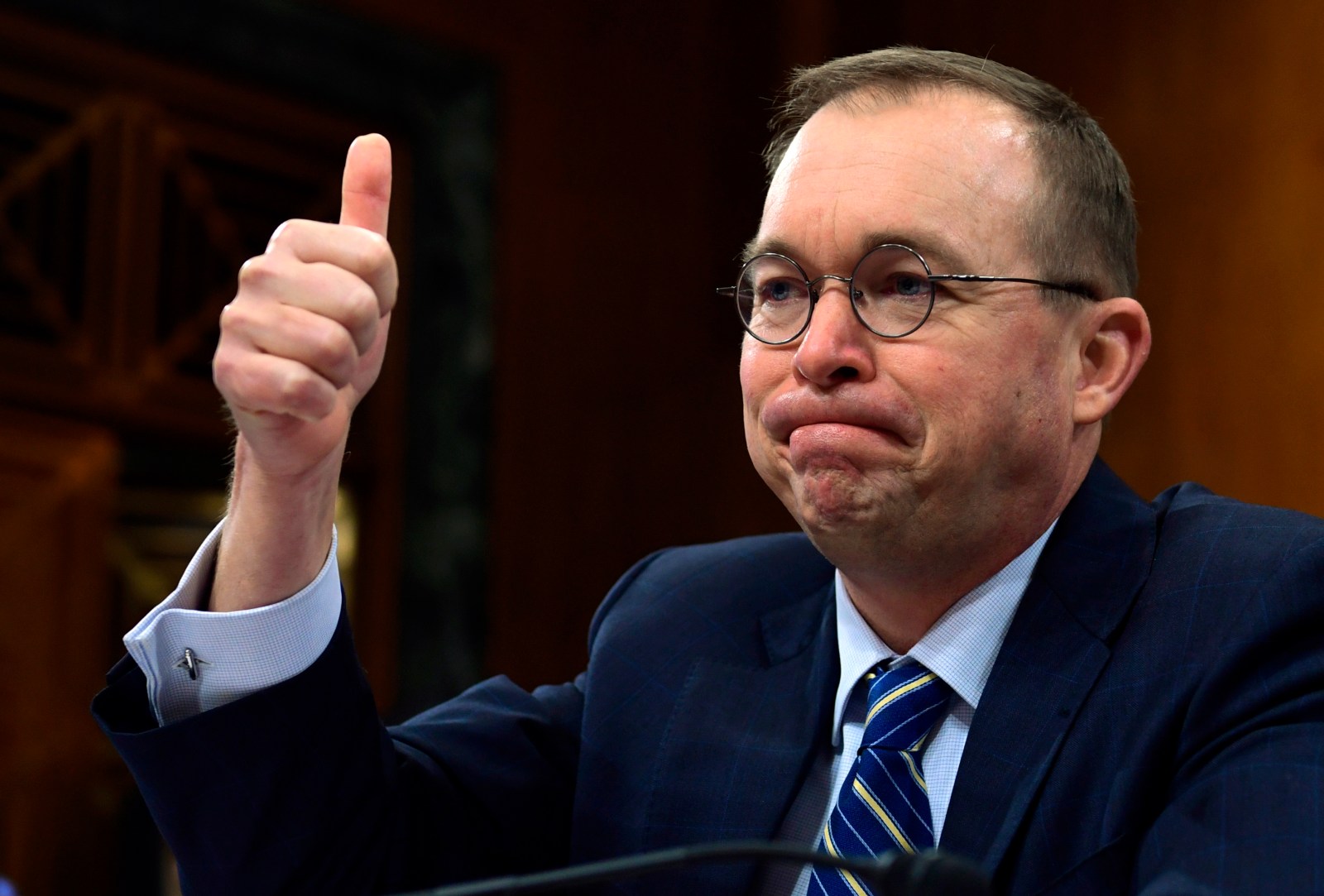
Former allies, including Mick Mulvaney, have raised concerns. Mulvaney, a prior White House chief of staff, emphasized that mixed messages create confusion about U.S. intentions. Tehran’s denial of ongoing talks further contradicts Trump’s claims of progress.
Mulvaney Warns of Credibility Issues
Mick Mulvaney served as Trump’s chief of staff and as an envoy for Northern Ireland. He resigned after the Capitol riot on January 6, 2021. Speaking to News24, Mulvaney remarked on Trump’s fluctuating stances—toggle between military threats and perceived diplomatic advances. This inconsistency leaves global partners unsure of U.S. objectives.
“We don’t have any clue,” Mulvaney said when asked about a potential deal.
He suggested that Trump’s inconsistent posture could diminish his credibility among key players.
For Trump to regain trust, Mulvaney stated, visible progress through either diplomacy or military success is needed. Current ambiguities make it challenging to discern truth, causing a growing credibility problem that demands resolution.
Fluctuating Strategies with Iran
Critics assert that President Trump repeatedly changes his approach toward Iran. He oscillates between threatening overwhelming force and suggesting diplomatic breakthroughs.
Since April, Trump canceled airstrikes five times, seeking negotiation opportunities. Recently, he planned a massive attack but paused after alleged requests from Iranian officials and mediators. However, Iran disputed these claims, denying any discussions.
Such policy changes prompt debate regarding whether U.S. threats are coercing concessions or signaling hesitancy about full escalation.
Trump Discusses Fast-Moving Negotiations
Addressing reporters, Trump indicated quick resolutions might occur regarding the Iran conflict.
“They’re going to go quickly one way or the other,” Trump stated.
He mentioned the Strait of Hormuz, proposing it could reopen rapidly, while negotiations on Iran’s nuclear program might extend.
Maximum pressure remains Trump’s method for achieving settlements, though he criticizes Tehran’s public stance on talks.
“Iranian Leadership is unbelievably duplicitous!” Trump expressed on Truth Social.
He asserted that nothing progresses with Iran unless desired, emphasizing ongoing negotiations despite Iran’s denial.
Republican Perspectives on Strategy
The administration’s tactics incite varied reactions among Republicans.
Former Vice President Mike Pence, during a Fox News interview, predicted Trump will abandon diplomacy for military actions, suggesting negotiations are ineffective.
“I honestly think the time has come for the president of the United States to unleash…the greatest military,” Pence remarked.
Pence urges the U.S. and Israel to decisively confront Iran.
Despite preferences for diplomacy to minimize casualties, a Fox News poll showed skepticism. Almost half of respondents doubt a U.S.-Iran deal, while a quarter foresee an unbeneficial conclusion.
GOP Representative Mike Turner emphasized dissatisfaction among lawmakers regarding briefings on Iran and national security. Speaking on CBS News’ Face the Nation, Turner said Congress seeks more transparency from the administration.
“The administration could be sharing more with Congress,” Turner stated.
Both legislative chambers insist on enhanced information-sharing by the Pentagon.