
The negotiations between the SEC and Big Ten over the ‘Protect College Sports Act’ reached the final days before the senators could bring the legislation to the floor. Late-night discussions involved senators, the White House, and various college athletics conferences racing against time to agree on a bill. The time constraints were real, with Zoom meetings and phone calls occurring over the past five months. President Trump advocated for lawmakers to advance the act amidst these challenges.
Senate Leadership in Action
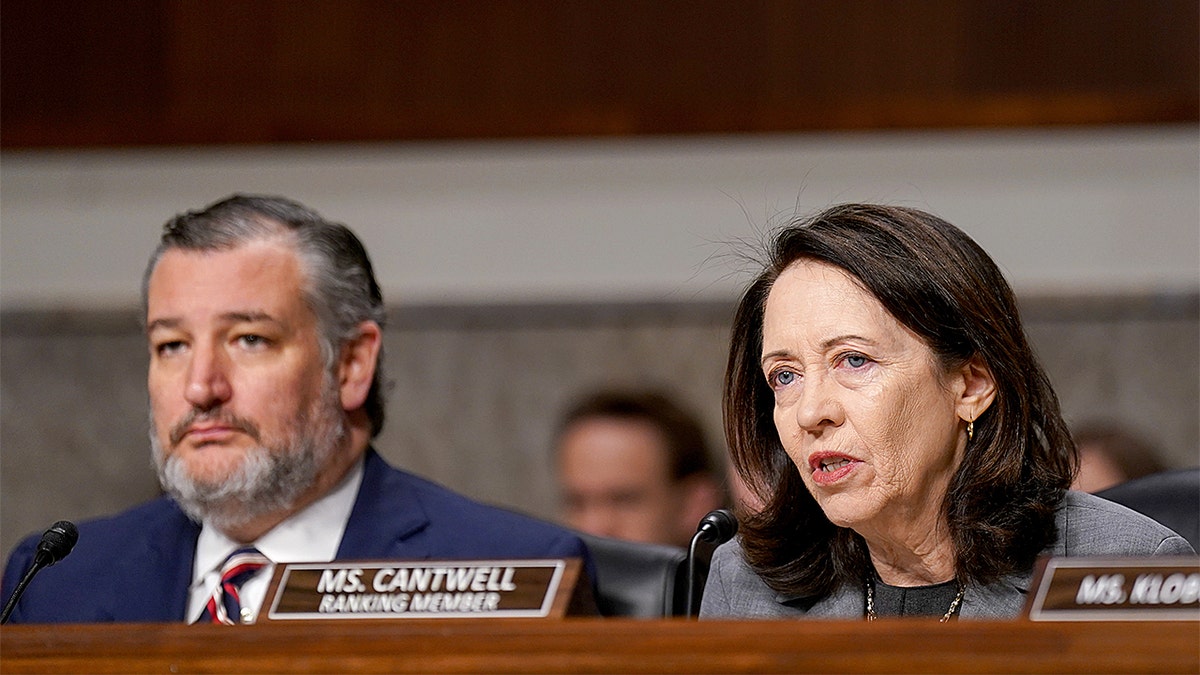
Senator Ted Cruz from Texas and Senator Maria Cantwell from Washington, alongside Eric Schmitt from Missouri, led the bipartisan efforts. Despite initial challenges, they aimed to create a bill that could be supported by all parties. Senator Cantwell expressed optimism that progress aimed at protecting women and Olympic athletes was underway, showing momentum towards Presidential approval.
Conversations were held nationwide. Big Ten Commissioner Tony Petitti engaged with conference officials and spoke frequently with SEC Commissioner Greg Sankey. Critical discussions occurred with Big Ten and SEC on Thursday, with other conferences joining a call later that afternoon. This day was intense for congressional aides and senate staff.
Presidential Involvement
A White House official communicated the President’s active involvement in these negotiations. President Trump aimed to save college sports through this legislation. On Thursday evening, White House officials, alongside committee members, discussed strategies to bring the bill to the Senate floor.
Friday afternoon saw further White House efforts to ensure bill approval from all parties. The President and his College Sports Committee worked collaboratively to offer a permanent solution to college sports challenges.
Racing Against Time
Congressional leaders faced pressure to bring the act to a vote before the summer recess. Senate Majority Leader John Thune expressed skepticism about meeting the deadline, sparking urgency among parties involved.
Senators and stakeholders worked diligently to iron out details, focusing on key provisions that impact college sports.
Progress was achieved Friday evening, with SEC and Big Ten commissioners addressing the media. Both parties set deadlines and took time to finalize language, ensuring their support behind impactful federal legislation on college sports.
Key Talking Points and Provisions
- Multimedia Rights Deals: Schools must certify that money isn’t sourced from the university. Athletes’ third-party deals with companies would count toward cap limits.
- Transfer Rule and Eligibility: A limited antitrust exemption for entities enforcing the transfer rule was proposed, alongside strengthening eligibility rules.
- Tampering and Compliance: Steps to prevent tampering were outlined with procedures and penalties.
- Retention Pool Increase: The retention pool grew from $20 million to $22.5 million, assisting athletic departments in retaining athletes.
Other provisions involved stricter guidelines for NIL deals and setting conference membership limits.
Legislative Process and Challenges
To ensure a vote occurs, Senate Majority Leader John Thune needs to call for cloture by Thursday for it to be considered next week. Conversations continued among SEC and Big Ten leaders, aiming for resolution.
As Congress approaches its August recess, it is crucial for senators to finalize the bill to secure its relevance before returning in September. Fans express desire to move past legislative talks and focus on the upcoming sports season.
The Protect College Sports Act, once uncertain, gained traction and now has a chance of reaching the House.