
CAIRO — The United States has halted its attacks on Iran for a second consecutive day, with Tehran also ceasing its military actions. This step is seen as an effort to restart negotiations on an interim ceasefire deal, previously destabilized by recent military exchanges.
The reason behind the U.S. pause, following targeted strikes on Iranian coastal areas due to Iran’s aggression towards ships in the Strait of Hormuz, remains unclear. The Pentagon has not provided an immediate response.
President Trump prefers diplomatic solutions, maintaining all options if Iran continues its activities in the Strait of Hormuz or against allies,” said Steven Cheung, White House communications director. “Iran should aim for a negotiated deal.”
Both U.S. and Iranian forces have abstained from attacks over the last two nights. Iran has responded to U.S. forces in the region, with retaliatory strikes affecting bases in Jordan.
A Regional Official Speaks on Diplomacy
The ongoing 60-day period since the signing of the interim deal between the U.S. and Iran is now more than halfway complete. Discussions surrounding Iran’s nuclear program remain unresolved as mediators continue encouraging dialogue.
A regional mediator described the cessation of strikes as “a positive signal” aiding de-escalation efforts. This pause may lead to reinstating the interim ceasefire deal, focusing on easing restrictions on vessel transit through the Strait of Hormuz.
The mediator, preferring to remain anonymous, noted that both sides are negotiating terms that would let Iran manage transit with reduced restrictions.
Shipping Concerns in Strategic Waterways
Issues persist regarding shipping security in the Strait of Hormuz and elsewhere, notably the Bab al-Mandeb strait leading to the Red Sea. Iranian-backed Houthi rebels have threatened to block Saudi shipping.
Iran is in discussions with Oman about ensuring safe passage for ships through the Strait of Hormuz, with reported progress in their talks. Iran’s Foreign Ministry, represented by Esmail Baghaei, confirmed the dialogue continues, maintaining the current status of the strait.
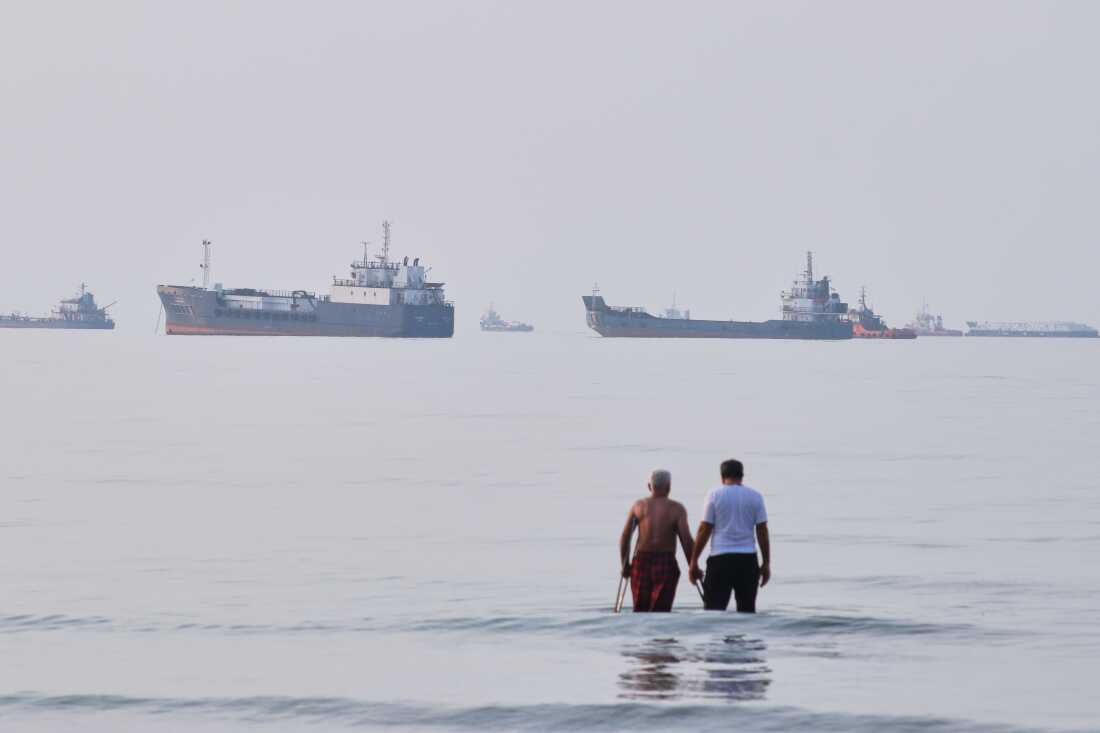
Despite Iran’s objections, the U.S. persists with a recently reimposed naval blockade. U.S. forces remain alert, with several commercial vessels redirected, disabled, or boarded.
Israel’s Support for U.S. and Its Diplomatic Efforts
Israeli Prime Minister Benjamin Netanyahu plans to meet President Trump in Washington. This encounter follows their meeting in February before the military conflict that resulted in Iranian casualties.
Two days after Israel began operations, Hezbollah launched attacks which prompted Israeli counter-strikes. The U.S. has facilitated direct talks between Lebanon and Israel to stabilize tensions and discuss disarmament.
Netanyahu expressed full support for President Trump’s strategy to weaken Iran and curb its nuclear ambitions through non-military means, stating, “It’s fine if it can be achieved without reinvigorating military conflict.”
Netanyahu intends to discuss rather than present new information to Trump, suggesting that many decisions rest with the U.S. President’s discretion. He emphasized that Iran should avoid any aggressive actions towards Israel to avert severe consequences.