
For decades, presidential hopefuls in the United States have made strategic visits to Israel as part of their campaigns, signaling alignment with both Israeli interests and influential voter groups back home. The customary itinerary typically included significant stops such as paying respects at Yad Vashem, meeting with the Prime Minister of Israel, and confirming the enduring bond between the two nations. Candidates like Barack Obama and Mitt Romney exemplified this tradition through heartfelt gestures aimed at garnering support from Jewish and evangelical voter blocs.
These visits allowed politicians without foreign policy experience to project themselves as statesmen. A notable instance was George W. Bush’s helicopter tour over Israel, which helped him cultivate a presidential image. Historically, Israel has been seen as a safe yet politically potent ally—a place to demonstrate genuine foreign policy engagement without substantial risk of diplomatic missteps.
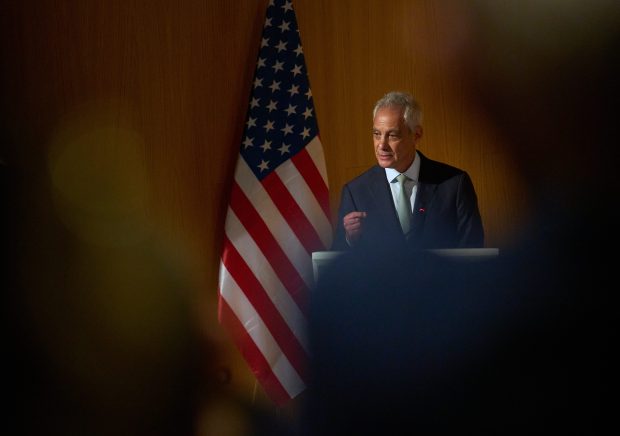
However, political landscapes are shifting. Recent actions suggest a different approach, where distancing from traditional messages emerges as a new tactic. For example, Rahm Emanuel and U.S. Representative Ro Khanna recently took trips to Israel. Emanuel, known for his historical defense of Israel, spoke critically of Israeli policies. Khanna went further by entering a sensitive area in the West Bank, bypassing typical stops like Jerusalem or Sderot, aiming instead to appeal to far-left constituents at home.
These choices reflect a broader trend where Israel becomes a backdrop for domestic political discourse rather than a mere stop on a foreign policy tour. Emanuel and Khanna’s actions illustrate this new dynamic, where the rebuke is crafted for domestic political gain, and Israel serves as part of this complex theater.
Criticism outlined by officials from Khanna’s district highlights accompanying concerns. Leaders from Jewish organizations condemned Khanna’s stances, emphasizing local antisemitic incidents and the economic ties between his district and Israeli-founded companies.
Given these evolving dynamics, the suggestion for future candidates is straightforward: use engagements in the region to foster understanding and dialogue. Suggested sites like the University of Haifa, Hadassah Medical Center, and EasTech provide opportunities for meaningful connections across cultural and political divides. The aim should be to listen and learn without the performative trappings driven by distant audience perceptions.
Aaron Kaplowitz, President of the United States-Israel Business Alliance
Submissions to the editor should not exceed 400 words, and can be emailed to [email protected].