
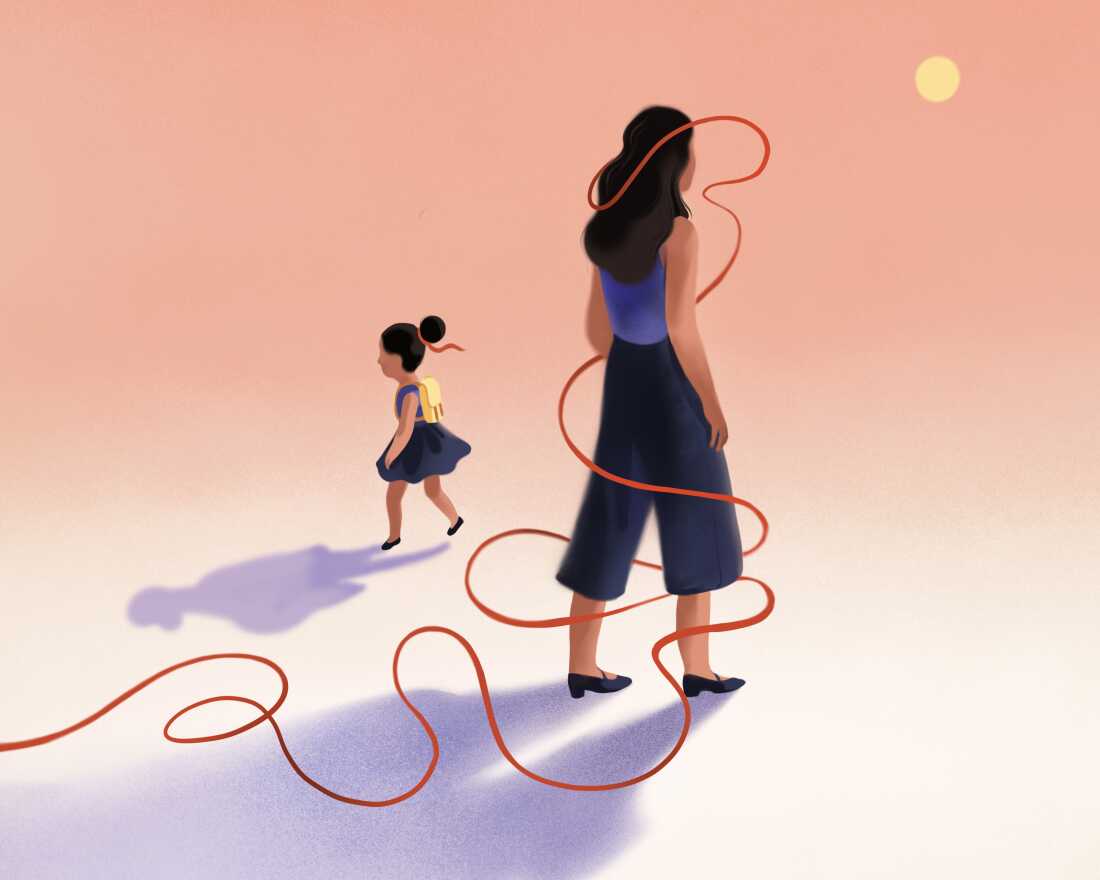
Kate Jarvis excelled academically as a young girl in the 1980s. Known for her straight-A grades and organization, she even prepared her toothbrush with toothpaste every night. Her mother often praised her as ‘bright-eyed and bushy-tailed.’ Yet, as she transitioned through puberty, her ability to focus diminished, and her grades suffered. This setback greatly affected her self-esteem. ‘I felt pretty awful about myself,’ she recalls. In high school, she faced anxiety and depression, grappling with fitting in. Teachers often noted her potential, pointing to her need to apply herself more, which felt like a personal shortcoming rather than a symptom of undiagnosed ADHD, a revelation she only received in her late 30s.
The diagnosis of ADHD in her 30s proved transformative for Jarvis. ‘Something I had been wrestling with for 25 years had a name, causes, symptoms, and effects,’ she says. However, knowing the problem did not automatically solve it. ‘I felt like I needed to fix myself.’ This struggle resonated with many others. As Julia Schechter, a clinical psychologist at the Duke Center for Girls and Women with ADHD, explains, ADHD was long viewed as a childhood disorder primarily affecting boys, leading to a focus in research on males. However, ADHD often manifests differently in girls, who might seem distracted or disorganized rather than overtly hyperactive, making it easier to miss in educational settings.
For girls, the diagnosis usually comes later. Symptoms often go unnoticed until adulthood, with women sometimes treated for anxiety or depression without addressing the root cause. ‘Sometimes those conditions are present; other times they’re secondary to years of undiagnosed and untreated ADHD,’ Schechter says.
The Consequences of Missed Treatment
Missing earlier treatment can greatly affect life quality, as ADHD impacts social relationships, impulse control, and self-esteem. According to Schechter, women face higher risks than men, including social issues, domestic abuse, and higher chances of teen pregnancy. They may also experience feelings of worthlessness and higher risks of obesity, eating disorders, and cardiovascular conditions. Dr. Patricia Quinn highlights several ADHD-related factors, such as impulsivity and chronic stress, contributing to these risks.
A large UK study revealed women with ADHD live nearly nine years less on average than those without, and two years less than men with the disorder. However, many people underestimate the seriousness of ADHD. ‘It’s not just an excuse for being late,’ Quinn states. Greater understanding of gender differences in ADHD has led to more adult women receiving diagnoses, with nearly 7 million women in the U.S. diagnosed as of 2023. While boys still receive diagnoses more frequently, the gap narrows in adulthood.
Challenges in Midlife
Ellen Littman, a clinical psychologist specializing in women with ADHD, notes women often mask symptoms until life becomes too complex to manage. For Amy Reyer, this breaking point arrived at 48, juggling two teens, aging parents, and a demanding job. Reyer often felt she had to work much harder than her peers to succeed. ‘I assumed everything I did would be more difficult for me,’ she admits. Diagnosed later, she realized ADHD contributed to her struggles. Perimenopause, which exacerbates ADHD symptoms, marked a particularly overwhelming period for her.
Research indicates women with ADHD may enter perimenopause earlier, experiencing severe symptoms. A survey of over 3,000 women with ADHD found most were diagnosed during menopausal years. Neuropsychologist Jeanette Wasserstein notes brain fog and executive functioning problems increase during menopause for these women.
Reyer, after her son’s ADHD diagnosis raised her suspicions, found medication that changed her perspective. ‘I remember thinking, this must be what normal feels like.’
Extending Treatment Beyond Medication
Medication is only part of the solution. Dr. Patricia Quinn advocates hormone replacement therapy for perimenopausal women and emphasizes therapy, especially cognitive behavioral therapy, to combat negative self-perceptions. Ellen Littman focuses on reshaping women’s understanding from ‘I’m a broken loser’ to a neurologically informed perspective, enhancing their self-esteem and effectiveness in life.
Kathleen Nadeau, with decades of experience with ADHD in women, advises lifestyle changes such as exercise, meditation, and a healthy diet. She encourages finding supportive environments, sometimes necessitating career changes that better align with one’s strengths.
Finding Empowerment
For Ruth Danoff, receiving a diagnosis at 50 brought clarity. Understanding her past struggles with focus and emotions led to a career shift. Previously in administrative jobs criticized for inattention to detail, she now advocates for women with ADHD, serving on the advisory council at the Duke Center for Girls and Women with ADHD. ‘My mission is to prevent other women from experiencing what I did,’ Danoff asserts.
Kate Jarvis believes seeking a diagnosis is valuable regardless of age, as it led her to medication, therapy, and self-acceptance. ‘There’s so much joy waiting on the other side,’ she concludes.