
Barcelona, a popular destination in Spain, is taking significant steps to control mass tourism, actively working to prevent overcrowding. The city has declared that it seeks not to welcome any more tourists than it already does. José Antonio Donaire, the commissioner for sustainable tourism, has emphasized these efforts.
The city plans to introduce a tax for cruise passengers who stay less than 12 hours. According to Cruise Industry News, these visitors could face taxes amounting to €30, or approximately $35.
“Barcelona is rethinking tourism with measures such as the moratorium on new hotel construction initiated back in 2017,” Donaire told The New York Times.
Barcelona’s approach includes increasing taxes on visitors. The city council proposed a €24 tax, around $27, for short-stay cruise visitors, a notable rise from the previously planned €8.
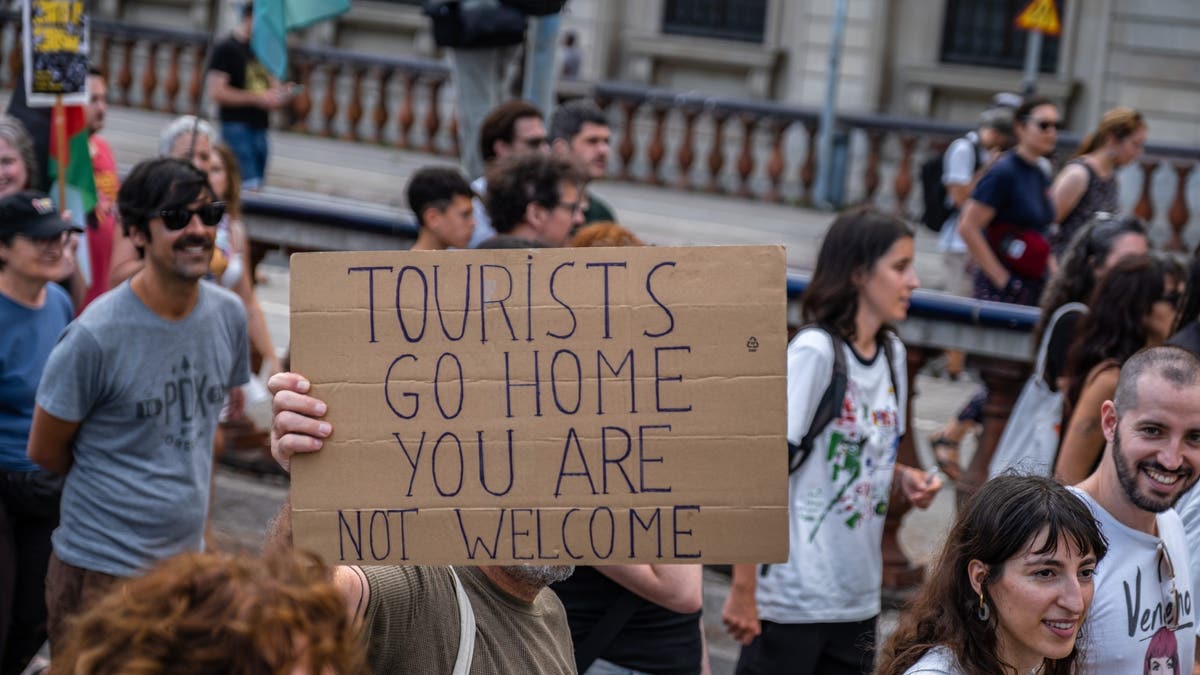
Catalonia, the region encompassing Barcelona, drew about 20.1 million tourists recently. Rising housing costs and packed public transport have frustrated locals. Overcrowding in historic districts has triggered protests, with some residents resorting to spraying tourists with water guns to express their discontent.
The city’s mayor, Jaume Collboni, wants cruise passengers to contribute more. El País reported that Collboni seeks to hike the existing fee to $9.30 per night, up from $4.65 previously.
Barcelona also nearly doubled its hotel guest tax, adjusting it to a range of $10-$17 per person, per night. The move aims to regulate the influx of visitors to this European favorite, known for its unique architecture and arts scene.
Protests have become part of the local response, with banners stating slogans like “One more tourist, one less resident” and “Tourist go home.” Residents demand a shift towards an economy that balances tourism with local needs.
Andreu Martínez humorously noted that using squirt guns is a way to lightly annoy tourists, symbolizing the local desire to reclaim their city from the overwhelming tourism industry.
Donaire explained the rules are not opposed to tourism. They aim to diversify the demographics of travelers, focusing on businesspeople and visitors interested in culture. He emphasizes the importance of preserving spaces where residents can access everyday amenities, suggesting that such diversity would attract more engaging tourism to the city.