
Vermont Senator Bernie Sanders contested the Democratic presidential primaries twice, in 2016 and 2020, without success. Both times, the Democratic Party’s leadership supported a more moderate candidate, causing Sanders to return to Burlington. A decade later, Sanders’ campaign arguments about the party’s alliances with corporate donors and its cautious stance on healthcare have become broadly accepted within the party.
Polling data indicates that Democratic voters now increasingly identify with socialism. Medicare for All and higher taxes on the wealthy are among the most favored ideas within the party. Despite not securing the presidency, Sanders remains the most popular sitting senator in the nation, even in a state governed by a Republican.
Sanders’ Policies Gain Traction
Democratic strategists who doubted the Sanders faction of the party are now witnessing its growing influence. Sanders lost the 2020 nomination to Joe Biden but six years later, the energy of the party leans towards his ideals.
The best evidence of this shift comes from how Democratic voters define themselves. A May I&I/TIPP poll revealed that 46% of Democrats view socialism favorably. An Economist/YouGov survey in June showed that 58% of Democrats have a positive view of socialism, and 62% would support a Democratic Socialist candidate. Gallup data reveals a reversal from ten years ago, with 66% of Democrats now viewing socialism positively compared to 42% who favor capitalism.
Popularity of Key Policies
Healthcare reflects this shift as well. A Data for Progress survey indicates wide support for a Medicare for All national health insurance program, with 65% of likely voters, including 78% of Democrats and 71% of independents, in favor. Another poll found that raising taxes on the wealthy and establishing a Medicare for All system were top policies to sway undecided voters towards Democratic candidates.
Sanders’ push for taxing the rich now attracts significant support across the political spectrum. A Navigator Research survey demonstrated that 79% of Americans, including 63% of Republicans, back higher taxes on the wealthy. Two-thirds of Americans, as found by the Excessive Wealth Disorder Institute, support introducing a billionaire income tax, with a majority of Republicans in favor.
Electoral Representation of Sanders’ Influence
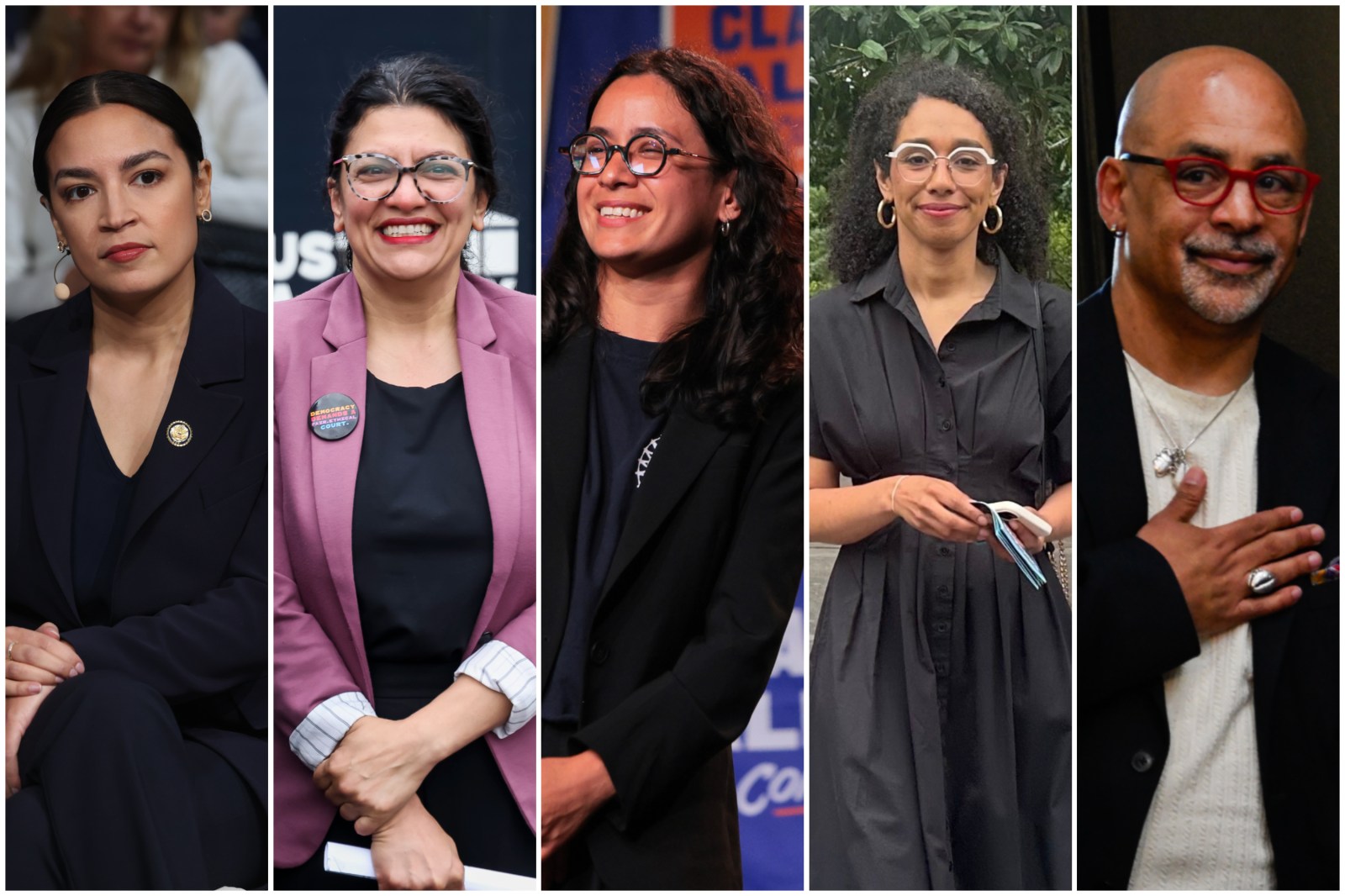
Beyond polling, the growing influence of Sanders’ policies is evident on election ballots. New York Mayor Zohran Mamdani, a democratic socialist, is a prominent figure leading the movement’s electoral efforts. Morris Katz, his former strategist, assisted in Graham Platner’s Senate campaign in Maine, which later ended due to unaddressed allegations against Platner.
In Michigan, Abdul El-Sayed is competing for the Senate nomination against Representative Haley Stevens, with the race symbolizing a broader debate within the party. In New York, Democratic Socialists of America-backed candidates have succeeded in knocking out long-standing incumbents, like Darializa Avila Chevalier’s victory over Representative Adriano Espaillat. Minnesota’s Senate primary further highlights the Sanders-style versus centrist conflict within the party.
The Democratic Socialists of America have had roles in over 130 races, with numerous candidates still on primary ballots. Joseph Geevarghese, Our Revolution’s executive director, argues that voter appeal now stems from frustration with government priorities favoring corporations over individuals.
The Democratic Challenge Ahead
The Democratic Party is experiencing historically low favorability. A CNN poll has their favorability at 28%, the lowest since 1992. Jim Kessler from the Third Way think tank points out that midterms rely on voter turnout, not persuasion. He cautions about potential voter backlash if extremist candidates win nominations, referencing Mamdani’s record-setting New York City mayoral election.
Kessler emphasizes widespread dissatisfaction under President Trump, but acknowledges the Republican strategy of portraying Democrats as extremists. He pinpoints the collapse of Platner’s campaign as a sign of possible Republican advantage.
The Argument Over Sanders’ Model
Sanders remains a unique figure, with unrivaled approval ratings in Vermont. Whether Democrats can replicate his success nationwide is under debate as midterm elections approach.
Though Sanders’ ideas align with the Democratic mainstream, some strategists argue popular policies within the party may not translate to victories in critical battlegrounds. Kessler, observing socialist victories in traditionally Democratic areas, warns that their positions could lead to defeat in competitive districts.
He points to specific figures like Abdul El-Sayed as risks in swing states and dismisses the likelihood of a Democratic Socialist presidential nomination as improbable, cautioning that such outcomes could favor Republicans strongly.