
The FIFA World Cup final, anticipated by American viewers, will incorporate elements familiar from American football. Inspired by the Super Bowl, this year’s final will feature a halftime show. However, unlike the Super Bowl’s renowned performances, the World Cup show hasn’t matched that level of excitement. Critics argue these changes alter the sport’s essence, continuing from this tournament’s hydration breaks.
Previously, FIFA implemented “cooling breaks” under certain conditions like the 2014 World Cup in Brazil. This year, mandatory hydration breaks occur mid-half in every game, lasting three minutes each. These breaks effectively create quarters, prompting criticism from figures like England’s coach Thomas Tuchel, who remarked it significantly disrupts a match’s flow.
Playing four periods instead of two alters the culturally constructed conception of how to interpret football.Uruguay coach Marcelo Bielsa commented, saying these changes diminish the sport’s allure.
Others, including U.S. coach Mauricio Pochettino, initially resisted but later adapted to use breaks strategically. U.S. player Sergiño Dest expressed approval of these pauses, appreciating the chance for strategic discussions during them.
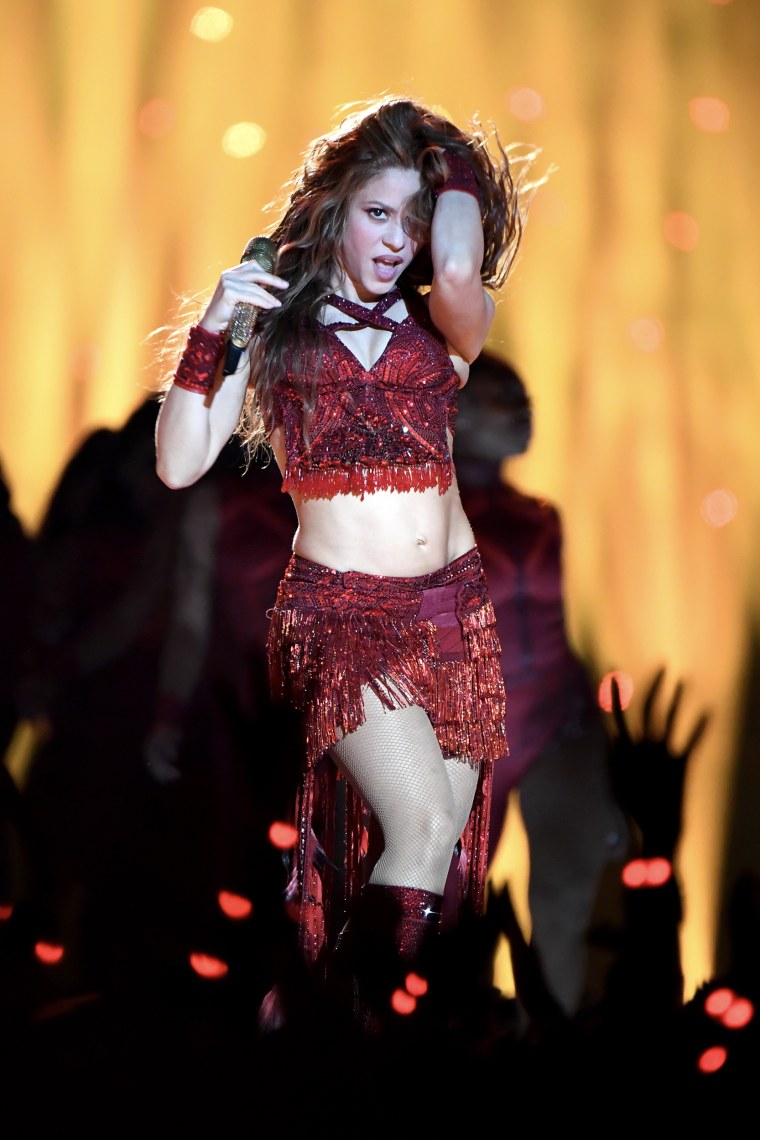
The halftime break is notably longer than typical, facilitating performances by artists like Justin Bieber, Madonna, Shakira, and BTS. Reuters reports this could extend the break to 25 minutes, exceeding the 15-minute limit set by international football rules. Colombia coach Nestor Lorenzo previously criticized such extensions, voicing concerns about players’ readiness after prolonged breaks.

Soccers has seen halftime shows before, such as at the Club World Cup and the 2024 Copa America. These attempts sparked discussion over their impact on gameplay and athlete performance.
Moreover, for the first time, winning players will receive championship rings in addition to traditional trophies and medals, a concept borrowed from American sports. FIFA’s press release highlighted this as bringing a renowned American tradition to the global game, further aligning the World Cup with American sporting customs.