
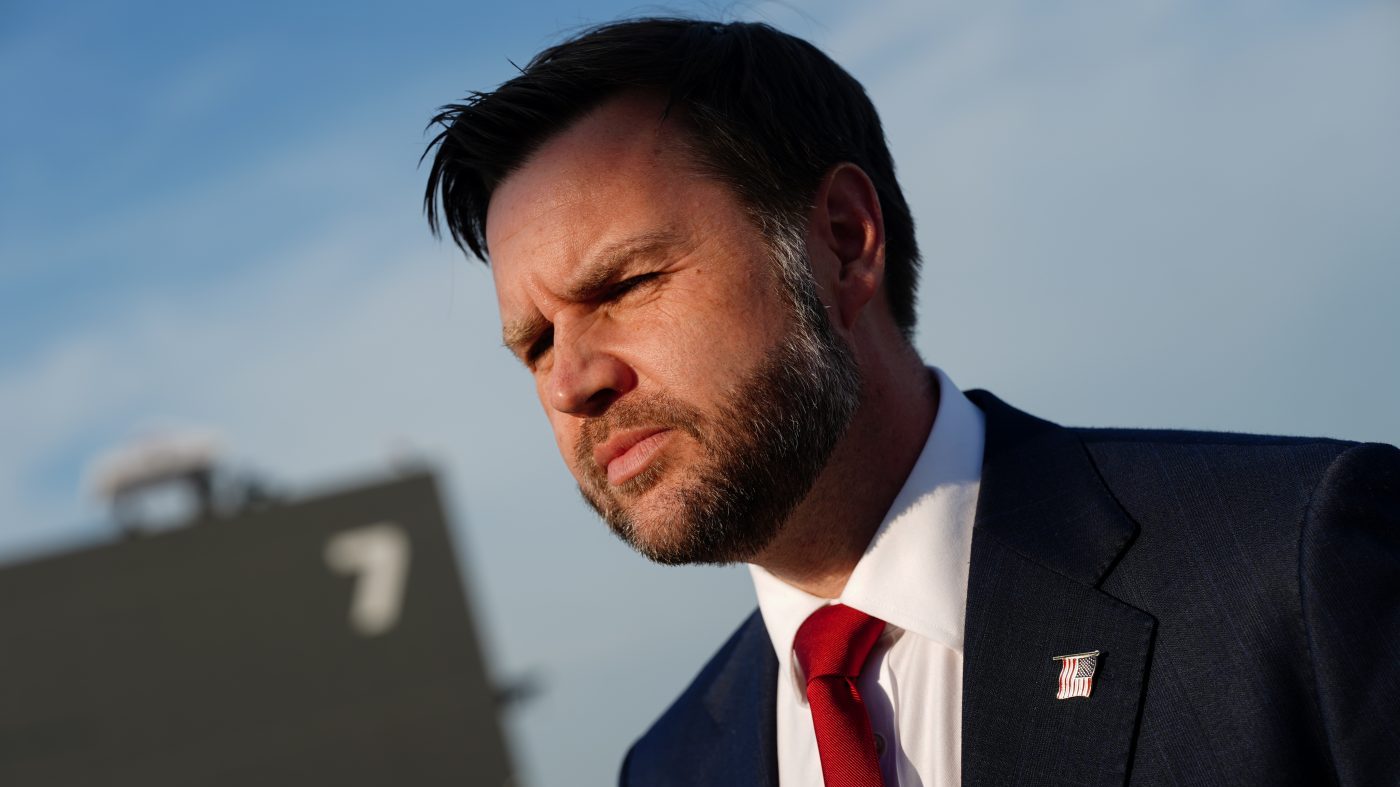
In 2026, Vice President JD Vance boarded Air Force Two at Emmen Air Base, Switzerland, following high-level U.S.-Iran talks at the Lake Lucerne Summit. Vance is well-known for his 2016 book ‘Hillbilly Elegy,’ where he argued that free enterprise and personal responsibility could uplift Rust Belt communities. He praised Japanese investment in Middletown, Ohio, as crucial.
A decade later, Vance’s stance has evolved. On ‘The Michael Knowles Show,’ he lauded Hamiltonian economics over laissez-faire approaches. Vance believes the economy should serve human dignity. However, his support for policies that encourage family formation and community involvement has faced criticism. Critics argue these policies don’t enhance the lives of ordinary Americans.
Vance contends that laissez-faire economics worked when strong Christian cultural values provided moral guidance. He claims that in today’s globalized, liberal society, such policies lack effectiveness. His perspective aligns with New Right thinking, as expressed by Patrick Deneen in ‘Why Liberalism Failed.’ They advocate for federal intervention to counteract the decline of American civil society.
Deneen suggests relief measures like tariffs and industrial subsidies. Vance identifies with the ‘postliberal right,’ promoting New Right economics. However, the decline of the American family began before economic issues like NAFTA or China’s WTO accession. Economic populism may not reverse decades of social fragmentation from the sexual revolution and policies like those in Lyndon Johnson’s Great Society.
Legal shifts, such as no-fault divorce laws and changes in marriage customs, contributed to family breakdowns. Economic improvements in struggling towns, such as from fracking, haven’t reversed these trends. Financial gains don’t automatically revive traditional norms supporting stable family structures.
Vance’s economic agenda, including support for Trump-era tariffs, hasn’t produced a manufacturing boom. The tariffs led to 100,000 fewer manufacturing jobs a year after their implementation. Tariffs are estimated to raise costs for the average American family by over $2,500 in 2026, a 43% increase from the previous year.
Protectionist policies often benefit politically connected industries at the expense of consumers. Some industries use lobbying to secure tariff exemptions. This strategy, critics argue, undermines efforts to support families and communities.
The path to true human dignity and cultural renewal lies in fostering innovation and competition without excessive federal intervention. For conservatives, reflecting on Vance’s earlier views in ‘Hillbilly Elegy’ might provide insights.
Aidan Grogan is an associate editor at the Manhattan Institute’s City Journal, a senior contributor with Young Voices, and a history Ph.D. candidate at Liberty University.