
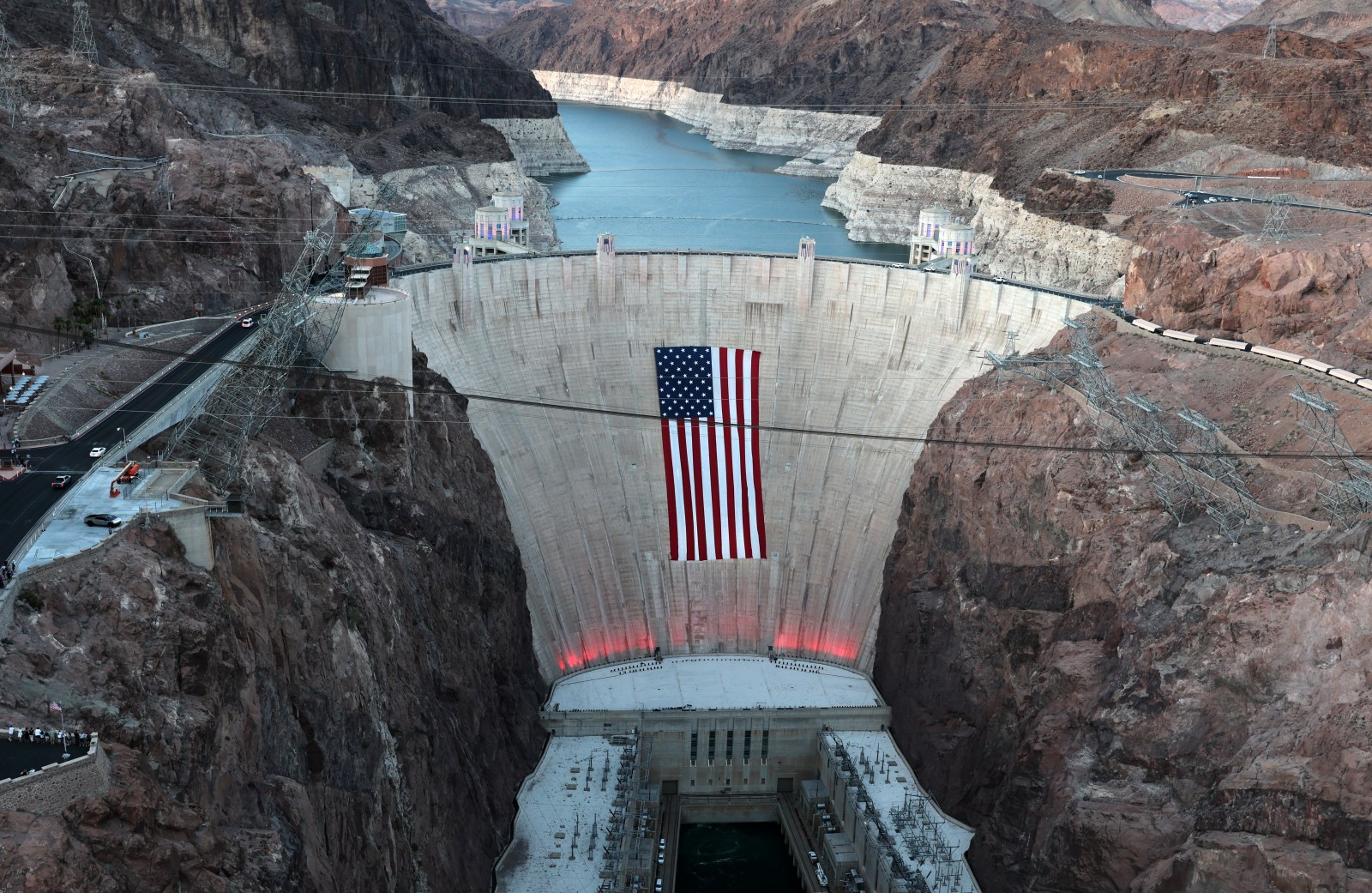
Dwindling Water Levels
The Colorado River Basin faces prolonged drought, impacting levels at key reservoirs. Lake Mead is 27 percent full, and Lake Powell is 23 percent full, according to the U.S. Bureau of Reclamation (USBR). This reflects significant drops from historical norms, affecting millions of residents and agriculture in the West.
These reservoirs are crucial for power generation too. The Glen Canyon Dam and Hoover Dam depend on adequate water levels for electricity production, underlining the urgency of resolving these challenges.
Water Savings Initiatives
States like Arizona, California, and Nevada propose conserving up to 1 million acre-feet of water by 2028, supplementing prior reductions. Combined efforts may save 3.2 million acre-feet, serving over 25 million people annually. Arizona and Nevada plan to reduce their Lake Mead usage by about one-third, while California aims for a 13 percent cut.
Changes to Agriculture
Agriculture accounts for a large portion of water use in the basin. Experts stress that merely focusing on urban conservation isn’t enough. Adjusting agricultural practices is crucial, whether through crop shifts or reducing the agricultural footprint. Initiatives like the Colorado River Resilience Project explore less water-intensive farming options and soil moisture improvement techniques.
“The basin cannot sustain the agricultural productivity of past decades,” said Jay Famiglietti, a professor at Arizona State University.
Draining Lake Powell
The “Fill Mead First” strategy suggests reallocating Lake Powell’s water to Lake Mead. This would involve reducing Lake Powell’s use as a primary reservoir, relying on Lake Mead for long-term storage. This approach requires significant infrastructure changes at Glen Canyon Dam to handle these alterations.
Desalination Efforts
Desalination presents another option for supplementing water supplies. Recent agreements focus on using existing infrastructure, facilitating water exchanges tied to desalinated or recycled water without new pipelines. This strategy aims for interstate cooperation on water resource management.
Water Recycling
Increasing water recycling can extend existing supplies. A UCLA report noted varying recycling efforts among states. If states except Arizona and Nevada increase recycling to 40 percent, nearly 900,000 acre-feet could be saved annually. A 50 percent rate could save 1.3 million acre-feet.
Cloud Seeding
Cloud seeding is being utilized to boost snowpack in the basin. By releasing silver iodide into storms, snowfall can increase by up to 15 percent. This may add 80,000 acre-feet annually, offering some relief to the river system.
Mojave Desert Water Pipeline
Cadiz Inc. proposes moving groundwater from the Mojave Desert. Recent plans to convert pipelines have gained approval, bringing the project closer to reality. Still, critics warn of potential harm to the desert ecosystem and insufficient solutions for the Colorado River crisis.
The situation demands collective efforts and innovative solutions to ensure sustainable water management in the region.