
Tanker traffic in the Strait of Hormuz faces increased risks following the end of a ceasefire between the U.S. and Iran. This development led to a rise in oil prices, while stock prices have shifted downward.
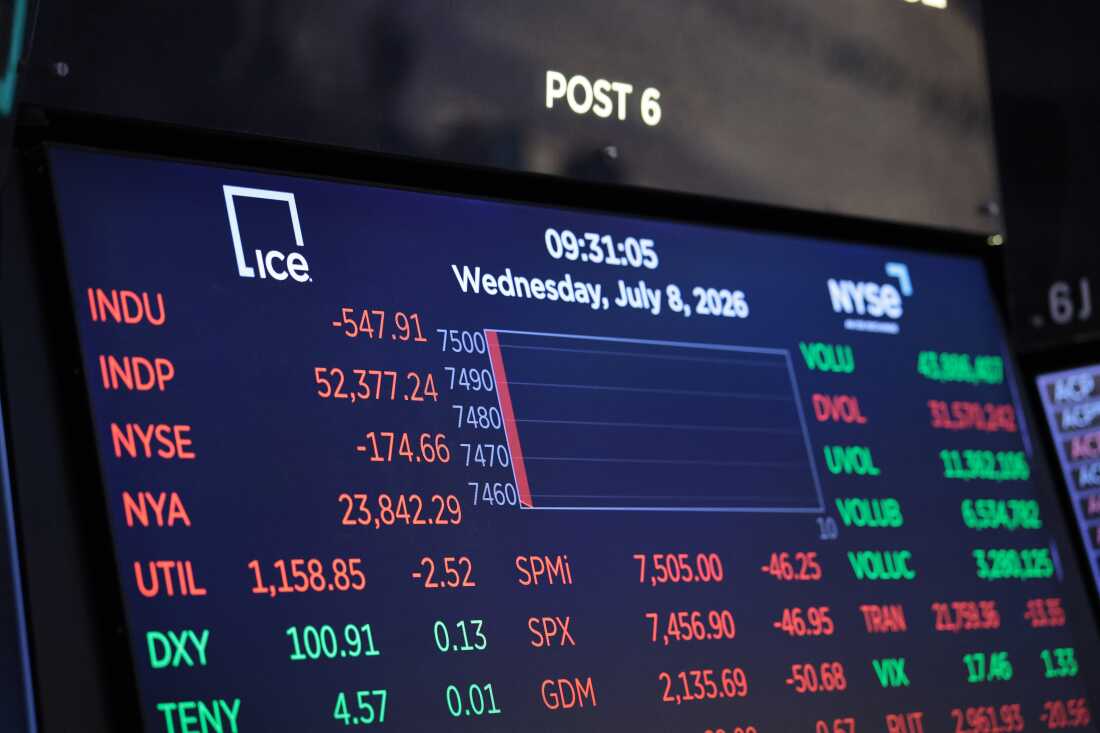
The recent escalations have added more uncertainty to the global economy. After President Trump announced the ceasefire’s conclusion, both U.S. and international crude oil prices rose by approximately 7% on Wednesday. Despite the surge, oil prices remain below the peaks seen earlier in the year. Simultaneously, the Dow Jones Industrial Average fell more than 800 points, or 1.5%, following a record-setting period just days before.
The U.S. military launched attacks on multiple targets along Iran’s coastline as a response to suspected Iranian interference with ships passing through the strait. This aggression threatens to maintain market volatility, despite investors’ previous optimism after the U.S. and Iran truce.
Although gasoline prices in the U.S. rose marginally—less than a penny per gallon overnight according to AAA—there is potential for further increases as higher crude prices are transmitted to consumers.
Global market fluctuations have persisted since initial hostilities in February, with the recent escalation further elevating bond yields. Investors now face greater uncertainty.
Federal Reserve’s Position under Scrutiny
The ongoing U.S.-Iran tensions add pressure on the Federal Reserve, led by its new chairman Kevin Warsh. Market predictors like the CME FedWatch tool now suggest a more than 1-in-3 probability of an interest rate hike this month, up from earlier expectations.
The Federal Reserve is vigilant about energy price hikes that have already driven inflation beyond its 2% target. The potential introduction of new tariffs by the Trump administration may exert additional pressure on import prices later in the year.
Before the latest military actions, the International Monetary Fund (IMF) had revised down its global economic growth forecast. The IMF projects a 3% growth rate for the global economy in 2026, a decrease from last year’s 3.5%.
The IMF has cautioned that renewed conflict in the Middle East could heighten commodity price instability, disrupt supply chains, increase prices, and adversely impact financial conditions.