
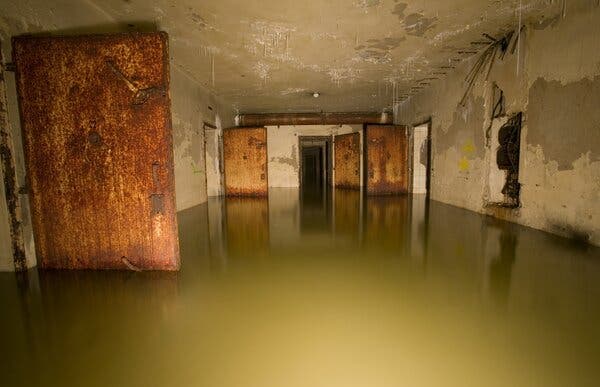
In 1939, Adolf Hitler celebrated the completion of a new, large government headquarters in Berlin, referring to it as “the first structure of the new Great Germany.” The New Reich Chancellery, a 1,300-foot-long, three-story building, was designed by 8,000 workers. Hitler assured them that they had created a monument meant to last for centuries.
By the end of World War II, the Allies occupied Berlin, having defeated Germany. This once grand structure was left in ruins. Hitler had died by suicide in a bunker nearby, just before Germany’s surrender. Today, little of the original edifice remains except for part of a bunker used by other Nazi leaders. However, a Hamburg developer has recently received approval to construct apartments and offices on this historical ground, as reported by a German publication, Bild.
Preservation experts express concern over the decision to develop the site. Germany faces a dilemma between preserving significant historical monuments and pursuing urban modernization. This dilemma is gaining urgency, as the number of those who lived through the Nazi era continues to decline. Protecting these sites is vital for ensuring that future generations remember this period in history.
Although the general area where the Reich Chancellery stood is marked with signs explaining its history, the bunker has never been officially recognized as historically significant. The plot above it is an undeveloped piece of valuable city center property, presenting a tempting development opportunity.