
Changes in Shellfish Classification
The U.S. Fish and Wildlife Service (FWS) has updated the definition of ‘shellfish.’ The change removes the requirement for species in this category to have an external shell. This new rule, published on June 23 in the Federal Register, aligns regulatory language with current scientific understanding and industry practices.
The inclusion of squid, cuttlefish, octopus, and other cephalopods under ‘shellfish’ aims to clear up previous ambiguities in classification. These additions address inconsistent treatment of mollusks and their related species at U.S. ports of entry. The updated rule will be effective starting July 23, 2026.
Details of the Rule Change
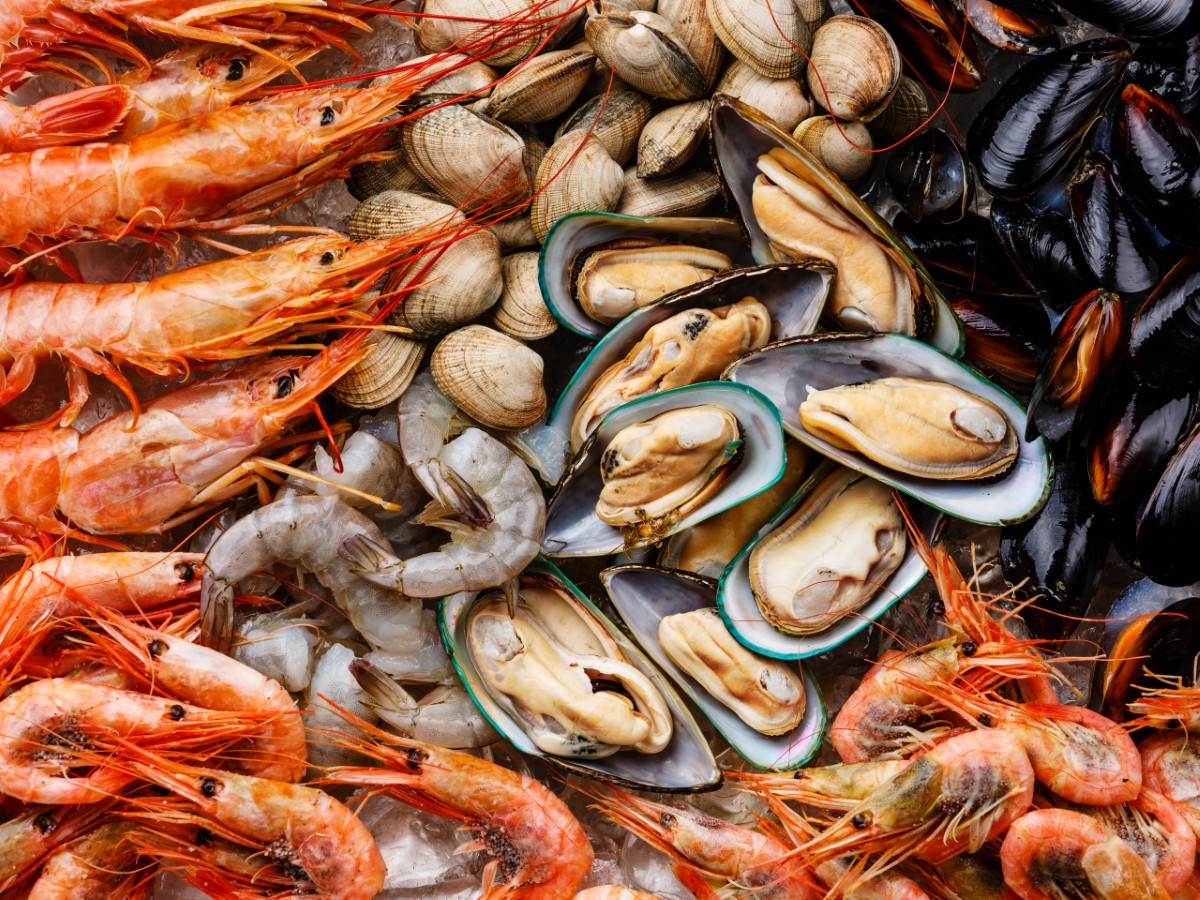
Previously, federal regulations defined shellfish as species of mollusks with shells, which was considered outdated and inconsistent. The revised definition now encompasses aquatic invertebrates under the phylum Mollusca, including oysters, clams, squid, octopus, lobsters, shrimp, and crabs.
The removal of the ‘having a shell’ requirement corrects the exclusion of cephalopods, which have internal or reduced shells, from the shellfish category. This adjustment removes regulatory confusion at U.S. ports and enhances enforcement of wildlife trade laws.
Impact on Trade and Regulation
The prior definition resulted in inconsistent handling of cephalopod shipments, complicating import and export regulations. Industry groups have advocated for this change, highlighting challenges faced by squid harvesters.
In October 2025, the U.S. Small Business Administration’s Office of Advocacy highlighted the unfair regulatory burden on squid harvesters due to classification ambiguities. Squid exporters and importers incur a broad range of fees and costs, which disproportionately impact small businesses compared to larger ones. These financial challenges include a $93 base inspection rate, a $100 license, and additional overtime fees.
The National Oceanic and Atmospheric Administration was urged to work with FWS to classify squid properly to reduce unnecessary regulation. The Mid-Atlantic Fishery Management Council likewise recommended changes to eliminate redundant licensing and inspection requirements for U.S. squid producers.
Considerations for Allergy Sufferers
The updated definition does not alter medical contexts but reinforces the treatment of cephalopods in clinical settings. Squid, octopus, and cuttlefish are already recognized in medical literature as associated with shellfish allergies, emphasizing consistent health risks.
People with shellfish allergies face no new risks with this rule. It reinforces existing medical knowledge and may eliminate confusion in labeling and regulatory communication. The rule clarifies that these species are part of the broader shellfish category from a risk and classification perspective.