
An Ancient Marvel: The City of Khiva
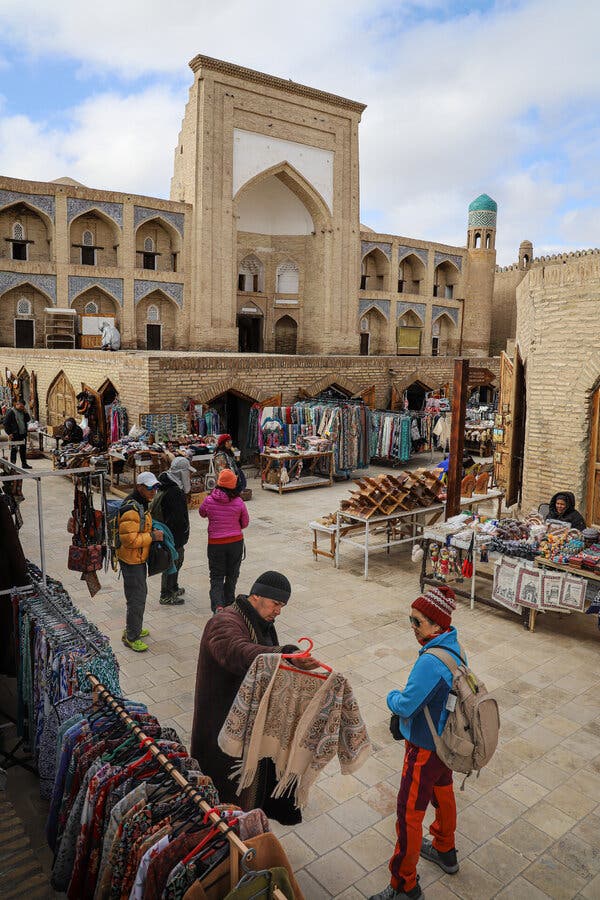
In the western part of Uzbekistan lies the ancient city of Khiva. This city is a treasure trove of historical wonders. Its streets are adorned with intricate mosaics in hues of blue, green, and orange, which sparkle under the sun. The city features a 12th-century fortress, where colorful fabric racks add to the vibrant atmosphere. Additionally, the smell of freshly baked samsas filled with meat and pumpkin wafts through the air as bakers pull them from traditional tandoors.
Despite these captivating sights, I found myself in a unique situation. Instead of admiring the views, I ended up in a stranger’s living room watching Russian television.
A Chance Encounter
While exploring Khiva, I noticed a tall minaret beyond the city’s mud-brick walls. It promised a stunning aerial view of the surroundings. However, attempts to enter were thwarted by a locked door. In my search for an alternative entry, I approached a local man working in his garden. Although our languages differed—he spoke Russian, and I didn’t—we managed to communicate through gestures.
He led me not to the entrance but into his home across the street. There, he offered me a piece of bread covered in yogurt and we watched a comedy show together, relying on hand gestures to communicate. Before departing, he handed me two dates wrapped in a paper towel. Despite never learning his name, this moment was memorable and heartwarming.
The Itchan Kala, the walled fortress in Khiva, is a place recognized by UNESCO for its historical significance.
Hospitality in Uzbekistan
Throughout my nine-day journey across Uzbekistan in February, I experienced similar acts of hospitality numerous times. Many young travelers are drawn to this Central Asian nation for its promise of fewer crowds, fewer tourist traps, and more opportunities for spontaneous adventures. The genuine warmth and generosity of the people I encountered made the 12-hour flight to Uzbekistan a worthwhile experience.