
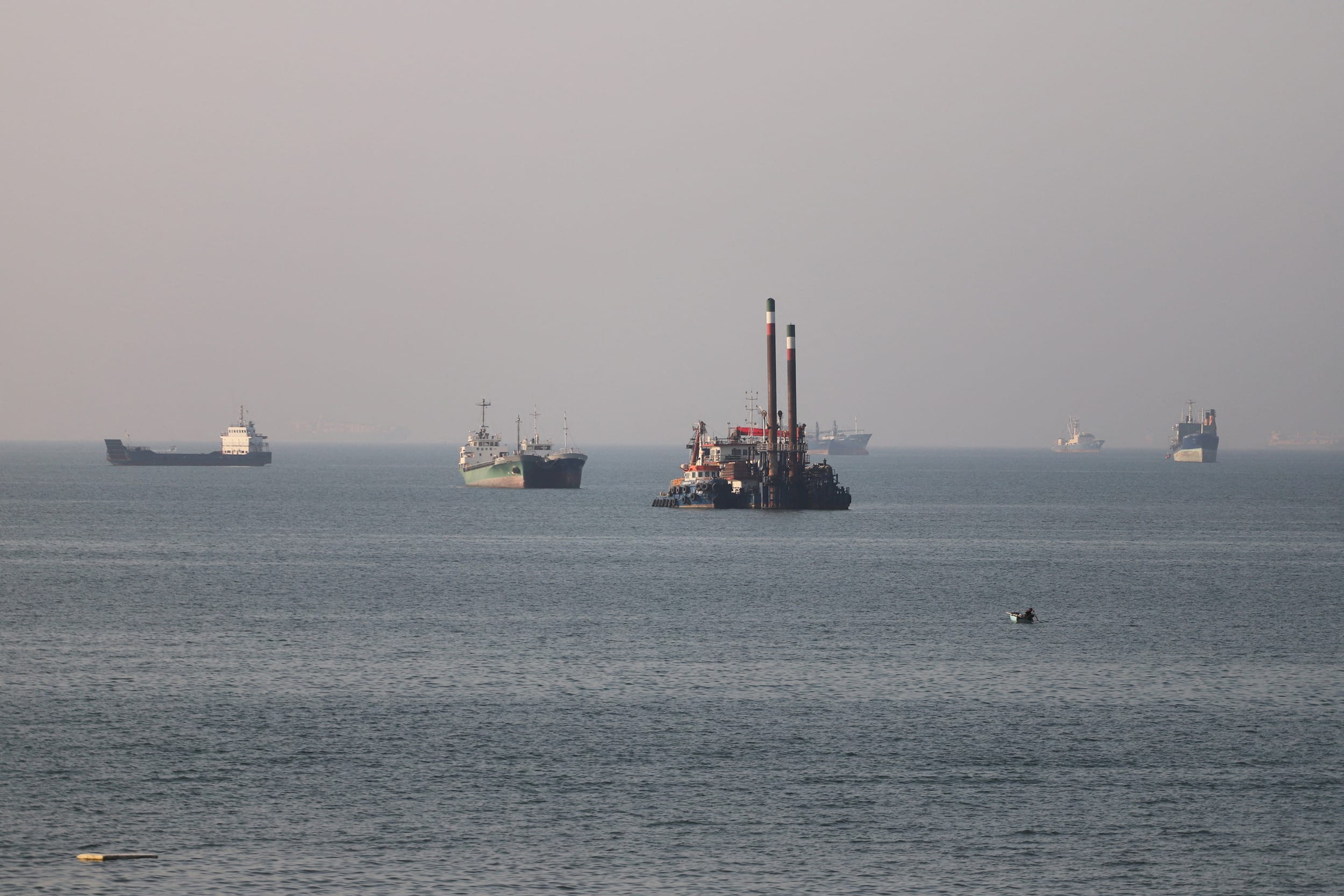
Iran Vows Retaliation
Following recent U.S. attacks, Iranian Foreign Minister Abbas Araghchi stated that Iran will respond to any aggression. He emphasized the determination of Iran’s armed forces, asserting that no attack or threat will go unanswered. Araghchi urged the U.S. to withdraw from the region, referencing historical adversities faced by foreign intruders in the Persian Gulf.
U.S. Senators Briefed on Drone Incident
Senators received a briefing from the U.S. Central Command after an incident involving an Iranian drone and a U.S. Apache helicopter. Sen. John Kennedy, among those briefed, described the act as deliberate. He noted Iran’s continued possession of missiles, launchers, and drones, suggesting Iran aims to project strength.
Projectile Strikes in Iran
The Iranian Mehr news agency reported projectile strikes in the regions of Jask and Kouhe Mobarakeh. This follows a similar report from Iranian state TV of a confirmed strike near Sirik, a strategic location in southern Iran along the Strait of Hormuz. Reports also mentioned explosions and defensive actions around Bandar Abbas, Qeshm, and Sirik.
Loss of U.S. Apache Helicopter
The U.S. strikes were a response to the downing of an Apache helicopter near Oman’s coast. The helicopter went down while on a patrol mission, leading to the rescue of two crewmembers, both of whom are in stable condition. The incident remains under investigation.
U.S. Military Response
U.S. Central Command initiated retaliatory strikes against Iran, characterizing them as self-defense measures. These actions were taken under the direction of the Commander in Chief in response to the helicopter incident. The U.S. described the strikes as a necessary and proportional reaction to what they labeled as unwarranted aggression.