
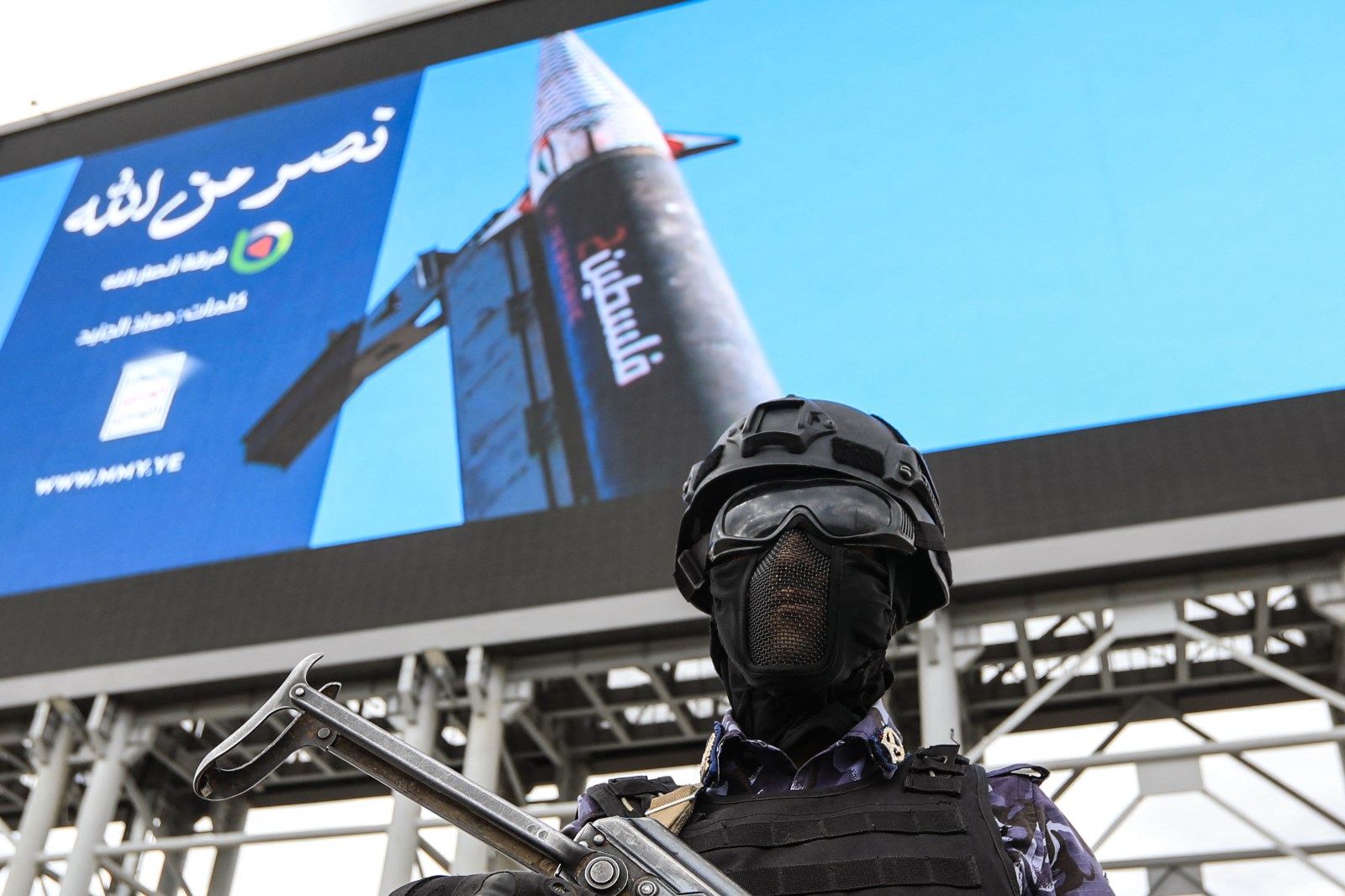
The global energy markets remain unstable as the U.S. and Iran impose rival blockades affecting the Strait of Hormuz. Meanwhile, Yemen’s Ansar Allah movement, known as the Houthis, has issued a new threat to ban Israeli ships from the Red Sea. This move heightens concerns about disruptions in global trade as tensions between Iran and Israel escalate, despite ongoing U.S. diplomatic efforts.
Economic Implications
The threat from the Houthis poses significant economic challenges. Their previous actions against commercial shipping slashed traffic through the Suez Canal by approximately two-thirds. This forced ships to take longer, more expensive routes around Africa. That campaign lasted about two years, ending with a ceasefire in October last year. However, the conflict involving the U.S. and Israel against Iran has rekindled tensions. The Lebanese Hezbollah and Ansar Allah have resumed attacks on Israel.
Ansar Allah’s latest stance appears stronger in solidarity with Iran. An Ansar Allah source told Newsweek that Israel’s actions challenge the global economy by persistently instigating regional issues. The source condemned the siege imposed on Yemen, Iran, and allied regions, expressing they would fight to relieve the suffering of their people.
Ongoing Conflicts
Recently, Iran and Israel engaged in further clashes. Iran responded to Israeli strikes in Lebanon by launching missiles. President Trump announced a ceasefire in early April, initiating negotiations with Iran. However, Israeli Prime Minister Netanyahu escalated operations in Lebanon, striving for a decisive defeat of Hezbollah. The Lebanese government has criticized both Iran and Israel for their roles in the conflict.
Tensions escalated when Netanyahu continued with attacks on Beirut, leading to Iran launching missiles against Israel. The situation remained heated as Israel targeted sites in Iran, prompting counterattacks. Ansar Allah also claimed responsibility for a strike on Tel Aviv, intercepted by the IDF. In response, Iran’s military later agreed to suspend operations against Israel.
Impact on Trade
If Ansar Allah imposes a blockade in the Red Sea, the effects will be profound. Ships avoiding the Suez Canal and navigating around Africa incur significant costs, with additional expenses reaching up to $1 million per voyage. Elevated shipping costs are compounded by higher transit fees, increased insurance premiums, and reduced traffic in crucial trade channels. The White House faces growing pressure as Iran confronts a U.S. naval blockade on its ports.
Late last year, the U.S. increased strikes against Ansar Allah, striving to reduce their control over the Red Sea. Despite initial successes, Ansar Allah continues to hold vast territories in Yemen, managing large stockpiles of weapons and governing major population centers, including Sanaa.
The Yemeni government, backed by Saudi Arabia, has mostly avoided direct confrontations with Ansar Allah since a U.N.-brokered ceasefire in 2021. Instead, efforts have focused on addressing separatist movements supported by the United Arab Emirates. Before the truce, Ansar Allah targeted Saudi Arabia and the UAE with missile and drone attacks. These nations, alongside other Gulf Cooperation Council members, remain under threat amidst ongoing regional conflicts, pushing for de-escalation.