
In April, the United States took the unprecedented step of indicting Rubén Rocha Moya, the governor of Sinaloa, Mexico, highlighting a longstanding issue both countries had cautiously navigated. Unlike past requests to arrest or extradite cartel figures, the U.S. is now pressing Mexico to confront political protection networks that sustain cartel power.
U.S. prosecutors accuse Rocha and others in Sinaloa of enabling drug trafficking to the U.S. by shielding cartel members in exchange for bribes and political perks. The indictment also claims Rocha, aligned with former President Andrés Manuel López Obrador and his Morena party, secured his governorship in 2021 with cartel backing. Rocha denies the allegations, yet his indictment probes deeper issues of sovereignty, party loyalty, and Mexico’s political stability, while further straining ties between Washington and Mexico City.
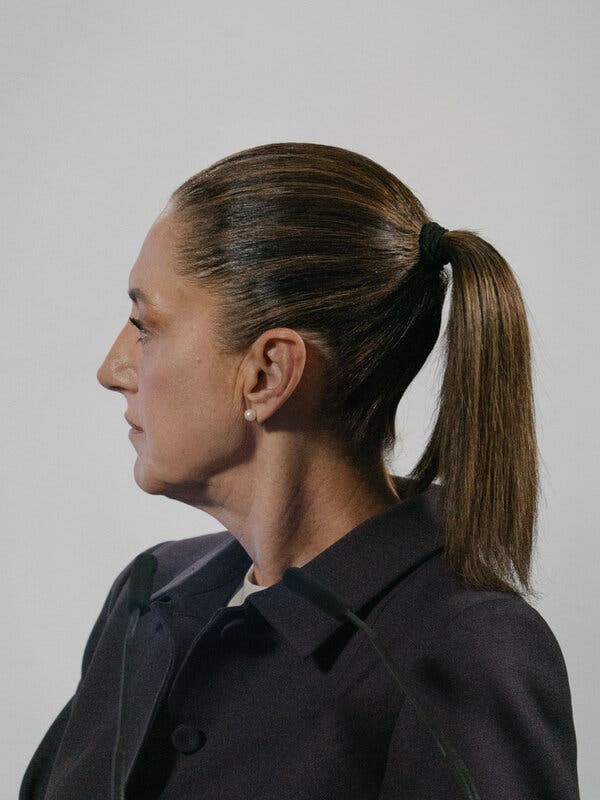
Rocha’s situation suggests that cartel influence might have permeated Mexico’s ruling party, presenting President Claudia Sheinbaum with a critical challenge. Proaction against Rocha, whether through extradition or withdrawing support, may fracture her coalition and invite accusations of caving to U.S. pressure. Unresponsiveness, particularly if evidence mounts, could spur doubts about her dedication to eradicating party-linked cartel corruption.
Sheinbaum can use this critical juncture to her benefit. She can transform U.S. demands into an opportunity to reform her party and broader political system.
Mexico’s narco-politics have deep roots, predating Sheinbaum’s tenure. The nation’s democratic shift in 2000 dismantled some traditional power structures that had previously managed organized crime. This power shift enabled cartels to secure new protective measures, fund political campaigns, and co-opt local authorities. The government’s militarized approach against cartels beginning in 2006 targeted these groups, yet failed to dismantle the political-criminal arrangements that sustained them, resulting in hundreds of thousands of victims.
The Morena party, established by López Obrador and now led by Sheinbaum, gained prominence in the late 2010s on the promise of a moral and political departure from this past. López Obrador’s approach, encapsulated by “hugs, not bullets,” sought reduced violence through social programs rather than direct confrontations with cartels. However, in practice, it allowed cartels more space to expand their influence and control.
With escalating pressure from the U.S. administration, including the threat of tariffs, criminal charges, and unilateral actions to compel Mexico to address organized crime, Morena now faces accusations of the same narco-corruption it pledged to eliminate.