
The future of college football is under national scrutiny. Prominent figures, including college administrators, coaches, and President Donald Trump, are weighing in. Nick Saban, the renowned Alabama head coach, expressed concerns that NIL (Name, Image, Likeness) will lead to an ongoing arms race, disadvantaging smaller schools. Saban’s remarks did not address coach salaries, facility upgrades, or which programs historically dominate national championships.
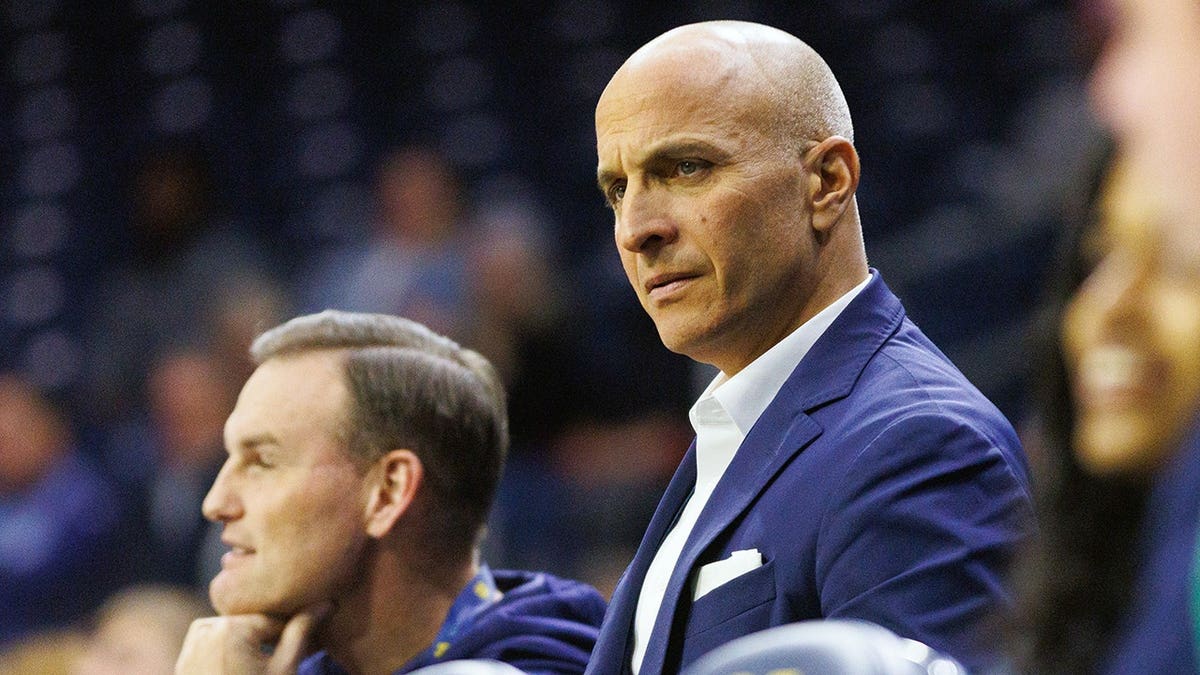
Pete Bevacqua, Notre Dame’s athletic director, also spoke on these issues. Bevacqua addressed a ‘super league’ potentially forming to boost media rights revenue. He suggested a league with 24 to 30 teams, where Notre Dame might face Alabama, Georgia, Penn State, Ohio State, and Michigan. This setup could render media numbers similar to those of the NFL.
Another perspective came from Illinois Fighting Illini’s head coach, Bret Bielema. Bielema criticized Bevacqua’s proposal, referencing Notre Dame’s unusual independent status. He suggested that Notre Dame should join a conference if it wishes to participate in competitive scheduling. Bielema’s remarks expose a seldom-discussed issue: Notre Dame’s role in college football’s realignment and consolidation.
Notre Dame negotiated a guarantee to enter the College Football Playoff if they rank in the top 12. This agreement sparks discontent among coaches dealing with full conference schedules. Notre Dame’s exclusive TV deal with NBC provides financial advantages over schools that share conference revenue. They tailor their schedules, as seen in 2026, potentially easing their path to the playoffs. The school also has a strong donor base supporting NIL deals and attracts top recruits.
If Notre Dame continues as an independent entity, Bielema questions the relevance of their opinions on reshaping college football. The schedule for 2026 shows Illinois with challenging games against teams like Ohio State, Oregon, Nebraska, and Iowa. Their season includes seven opponents ranked in the top 50, according to ESPN’s SP+ preseason rankings.
Conversely, Notre Dame faces fewer ranked opponents, such as No. 8 Miami, and lacks a conference championship game. The question arises: Why shouldn’t Notre Dame face the same hurdles as other programs? Their independence remains advantageous, potentially threatened by a ‘super league’ model. If Bielema’s view reflects broader coaching sentiment, Notre Dame’s independence could face increasing challenges.