
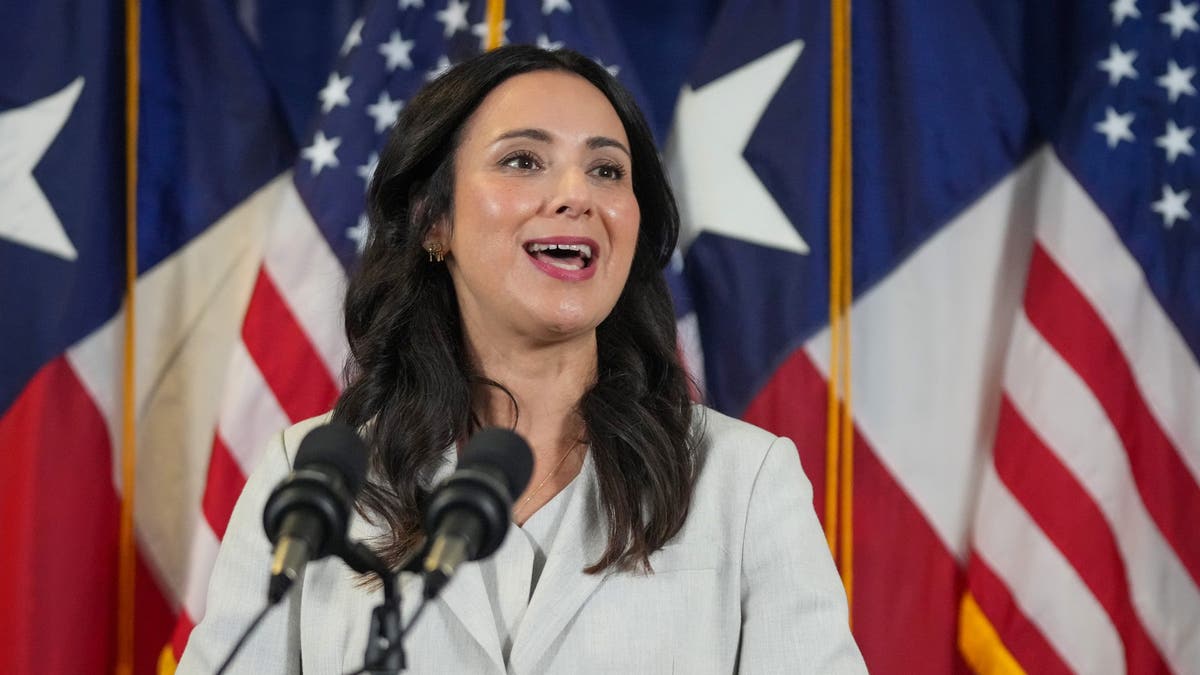
Newly elected Texas Governor Gina Hinojosa has announced her intention to reverse existing restrictions on H-1B visa worker hiring in state agencies and public universities. She plans to take this action on her first day in office, acknowledging issues yet seeking changes from the policies of her predecessor, Greg Abbott.
In a discussion with the Texas Tribune, Hinojosa criticized Abbott’s January mandate, which halted new H-1B visa petitions at state agencies without approval from the Texas Workforce Commission. Abbott imposed these restrictions citing concerns that U.S. workers were being replaced by lower-paid foreign labor.
“In the most egregious schemes, employers have even fired American workers and replaced them with H-1B employees, often at lower wages,” Abbott stated in his January directive.
Hinojosa, dismissing the directive as a distraction, stated, “I’m not doing culture wars. That’s not what I was elected to do.” She acknowledges that while there are abuses in the H-1B system, she intends to address them rather than perpetuate the freeze.
Despite her criticism of the current state of the visa system, Hinojosa expressed her view that employers should not exploit tax incentives to employ H-1B workers over qualified domestic residents. “Companies should not be getting a bunch of tax breaks for jobs to only then use that money to hire H-1B employees. That’s wrong,” she told the Texas Tribune.
Gina Hinojosa achieved a significant political victory by defeating Abbott, ending his bid for a fourth term and marking a Democratic return to the Texas governor’s mansion for the first time since Ann Richards. Although Republicans maintain a majority in the Texas Senate, removing Abbott’s executive orders provides Hinojosa an opportunity to implement immediate state policy changes without legislative input.
Additionally, Hinojosa defended the use of H-1B visas in local school districts, particularly for hiring foreign educators, emphasizing the challenges Texas faces in recruiting domestic teachers. Abbott’s order did not extend to local K-12 districts, focusing only on state entities and higher education institutions.
Abbott’s restrictions were designed to last until May 31, 2027, allowing time for new legislative reforms. Agencies affected by the directive were required to report their current use of H-1B visas and detail recruitment efforts for Texas residents.