
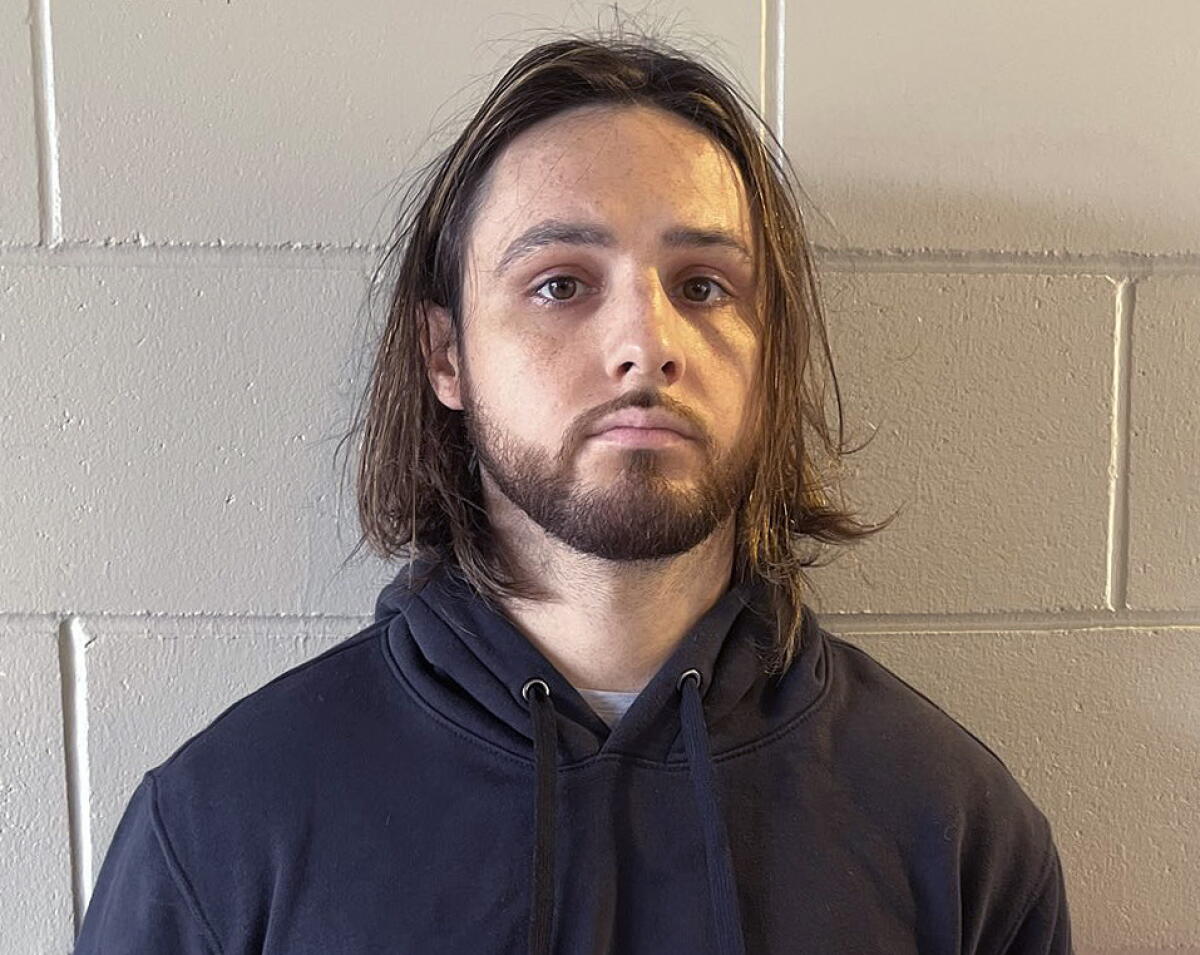
A federal jury has convicted 30-year-old Jonathan Rinderknecht, a former Uber driver, of intentionally starting what became one of the most destructive wildfires in Los Angeles history. The decision was reached after two days of deliberation, following a mistrial over the summer.
Rinderknecht was accused by federal prosecutors of igniting the Lachman fire on January 1, 2025, using a lighter. This fire persisted underground and later reemerged as the deadly Palisades fire. His defense suggested that fireworks might have been the cause instead, but the jury found him guilty on both counts presented.
The first trial earlier in the year ended with a jury deadlocked 10 to 2 in favor of acquitting Rinderknecht. However, prosecutors decided to retry the case. During the second trial, any mention of the first trial was discouraged by U.S. District Judge Anne Hwang, who instructed jurors to disregard a defense witness’s reference to it.
Despite the initial jury’s inclination to acquit, prosecutors pursued a revised indictment. This narrowed one charge to focus on damage from the Lachman fire, while maintaining responsibility for both the Lachman and Palisades fires through a second charge. The Palisades fire, which started on January 7, 2025, resulted in 12 fatalities, destroyed 6,500 structures, and led to billions in damage and insurance claims.
The retrial was marked by tension, including allegations of perjury against a defense witness and efforts by the defense to introduce new testimony supporting the fireworks theory. In closing arguments, Assistant U.S. Attorney Mark Williams argued that Rinderknecht, frustrated and angry, set the fire on New Year’s Eve 2024. Williams stated that fireworks were ruled out since no supporting evidence was found.
This fire was an incendiary fire started by an open flame. The defendant is the only one who could have started it… He was angry that night and he set the fire and watched it burn.
Rinderknecht was apprehended on October 7, 2025, in Florida, following suspicions of igniting the deadly blaze. Williams stressed that the case focused solely on the act of arson, not on any shortcomings in the fire suppression efforts by the Los Angeles Fire Department. An associated civil lawsuit had exposed communication failures and questionable decisions by firefighting management.
Steve Haney, Rinderknecht’s defense attorney, contended that the jury should reach a verdict based on evidence, dismissing actions outside the alleged arson. Haney noted the absence of photographic or video evidence capturing the ignition and emphasized delays in testing a lighter as a potential fire starter.
The decision came first, the test came 11 months later. Decided, charged and tested. That’s backwards.