
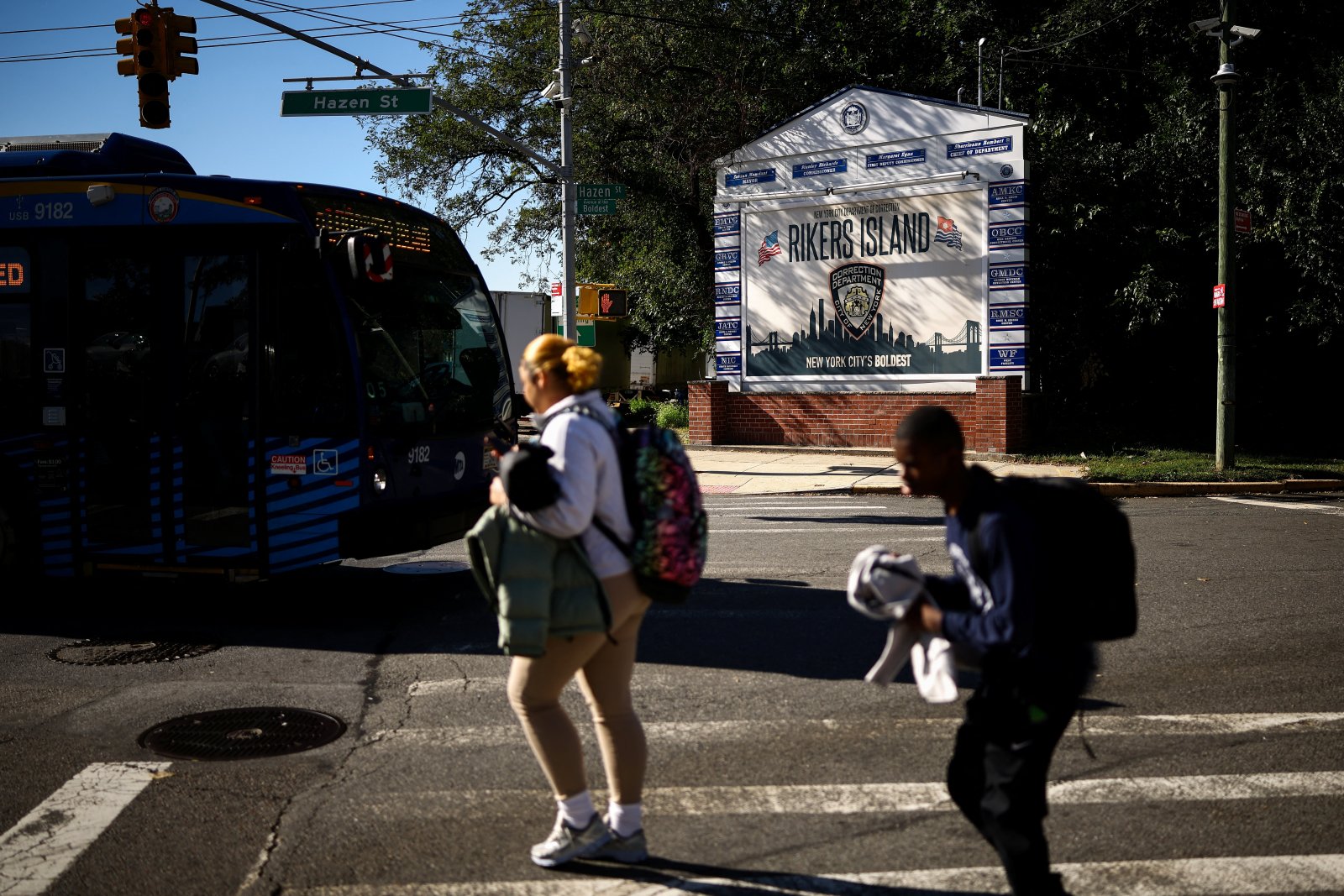
New York City Mayor Zohran Mamdani announced a plan to close Rikers Island and replace it with four new jails. This initiative aims to reduce the city’s incarcerated population by nearly 2,500 people before the new facilities open. Currently, approximately 6,000 people are incarcerated, but the new system will accommodate only 4,500. The plan outlines the necessary steps to achieve this reduction before Rikers closes in 2032.
The Challenge
The reduction of the jail population is critical to this plan’s success. The city’s strategic plan presents four potential scenarios to bring the average jail population down to 4,100. The goal is difficult, with significant reliance on successful implementation.
Diverse Opinions on Rikers Closure
Closing Rikers has been in discussion for years and remains a contentious topic. Unions and some advocates have differing views. New York Civil Liberties Union’s Donna Lieberman highlights ongoing human rights abuses as a reason for the urgency in closing the facility by 2027 instead of 2032. Concerns include the severe impact on inmates’ lives and well-being.
Zachary Katznelson, from the Independent Rikers Commission, expresses support for Mamdani’s commitment, viewing the closure as a benefit to public safety. Critics argue for a swifter timeline.
Strategies to Find 2,500 Beds
Diverting Low-Risk Individuals
The plan focuses on diverting those considered lowest risk away from jail. It assesses around 400 current inmates and 600 individuals with lower-level charges as suitable for alternatives such as diversion programs.
This approach assumes reductions of 40% to 80% for specific male and female groups through services like substance abuse treatment programs.
Releasing Detained Individuals
An estimated 700 people might be released as part of the reduction strategy. The plan includes annual funding of $5 million for programs offering alternatives to incarceration (ATI). The administration aims to reduce rearrests significantly.
Speeding Up Case Processing
Approximately 1,470 people have been awaiting trial for over a year. The plan aims to reduce these delays through collaborations with judicial entities, expecting to cut around 800 from the jail population by addressing systemic slowdowns.
Reducing Recidivism
Many individuals return to jail within a year of release. The plan proposes interventions such as housing and mental health support to decrease readmissions by up to 50% for women and 30% for men.
Data from the Vera Institute suggests that work programs for released inmates could aid in achieving these reductions.
Increasing Jail Population
The report identifies Rikers’ extended stays as a cause for rising population numbers. Decreased admissions have not translated to fewer detainees due to longer durations of incarceration. The average stay increased from 63 days in 2017 to 102 days in 2025.
Katznelson describes this as artificially inflating the population, affecting crime victims and individuals with serious mental health issues. These factors contribute to a revolving door of incarceration.
New Facilities and Their Purpose
The plan places remaining detainees in new jails within Brooklyn, Manhattan, the Bronx, and Queens. These sites are designed for better conditions, aiming for cleaner and safer environments. Available healthcare and humane conditions are key goals.
Joint district attorney statements emphasize the progress needed for safety and justice improvements.
Shared Responsibility
Though funding and programs are a start, reducing the population to 4,100 involves multiple stakeholders. The Office of Court Administration, district attorneys, judges, and nonprofit organizations play roles in this effort. Clear benchmarks are essential for accountability and sustained progress.
The Independent Rikers Commission is committed to supporting legislative efforts for closure, emphasizing safety, justice, and the city’s best interests.