
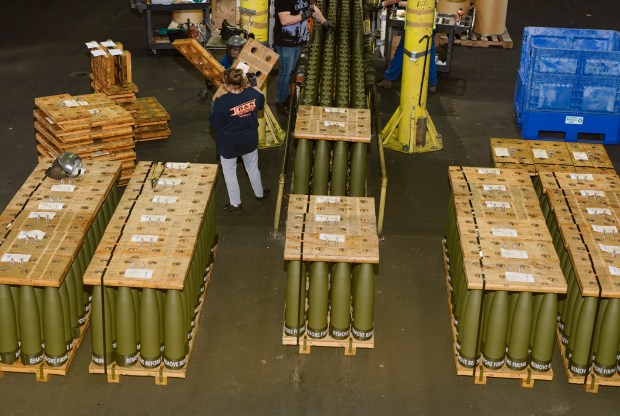
The U.S. Army planned detonation of 68 drums of highly volatile lead azide at a southeast Iowa ammunition depot sounded dire. Potential explosions could shatter windows, and clouds of toxic dust might spread for miles. Initially, Army computer models indicated that a plume could travel over 100 miles into Illinois, dependent on weather.
Michael Cheusse, Aledo’s city administrator in Mercer County, Illinois, expressed concerns about lead particle drift into his rural area. Environmental groups sued to stop or delay the detonations. The Army postponed the operation following public outcry and official concerns. Acting Army Secretary Adam R. Telle confirmed the delay, planning the detonation for November 23, before a forecasted temperature drop that could further destabilize the material.
Lead azide, previously used to trigger bombs and rockets, is being phased out due to its volatility and toxicity. Documents suggest the Army allowed lead azide to degrade to the point where moving it posed an “unacceptable risk.” Destroying lead azide in place restores vital readiness, per Army officials. The U.S. Environmental Protection Agency had only recently granted emergency detonation permits, despite months of discussions.
U.S. Sen. Tammy Duckworth criticized the operation’s planning and communication. Many residents were abruptly told to avoid the area. U.S. Rep. Eric Sorensen advised constituents to remain indoors and close windows during potential exposure. Bruce Lanphear, a lead poisoning researcher, doubted the Army’s promise to analyze lead concentrations post-detonation would be effective. The Army pledged to track airborne lead and test soil in downwind areas.
The plans coincide with regulatory rollbacks under President Donald Trump’s administration, which reduced limits for lead in soil and blood. Erik Olson of the Natural Resources Defense Council questioned the Army’s decision to proceed without notice or public input, resulting in potential long-range pollution. Illinois officials plan unspecified measures to track lead pollution. Forecasts anticipated winds could carry dust north of Middletown, potentially affecting nearby areas.