
Oklahoma Senator Alan Armstrong highlights the critical need for reforming permitting processes to enhance American energy independence. Armstrong notes that while the U.S. has vast oil and gas resources, outdated procedures and legal challenges hinder the completion of essential infrastructure projects. As a former CEO, he stresses how litigation can stall multi-billion dollar ventures and calls for decisive political measures to streamline energy development.
The Senate has advanced the Bipartisan American Affordability and Jobs Act of 2026 (BAAJA), aiming to modernize the nation’s permitting framework and accelerate infrastructure and energy projects. This significant legislation, passed through a bipartisan effort, proposes speeding up environmental reviews, minimizing legal obstacles, safeguarding approved projects, expanding the electric grid, and simplifying energy development in oil, gas, and renewable sectors.
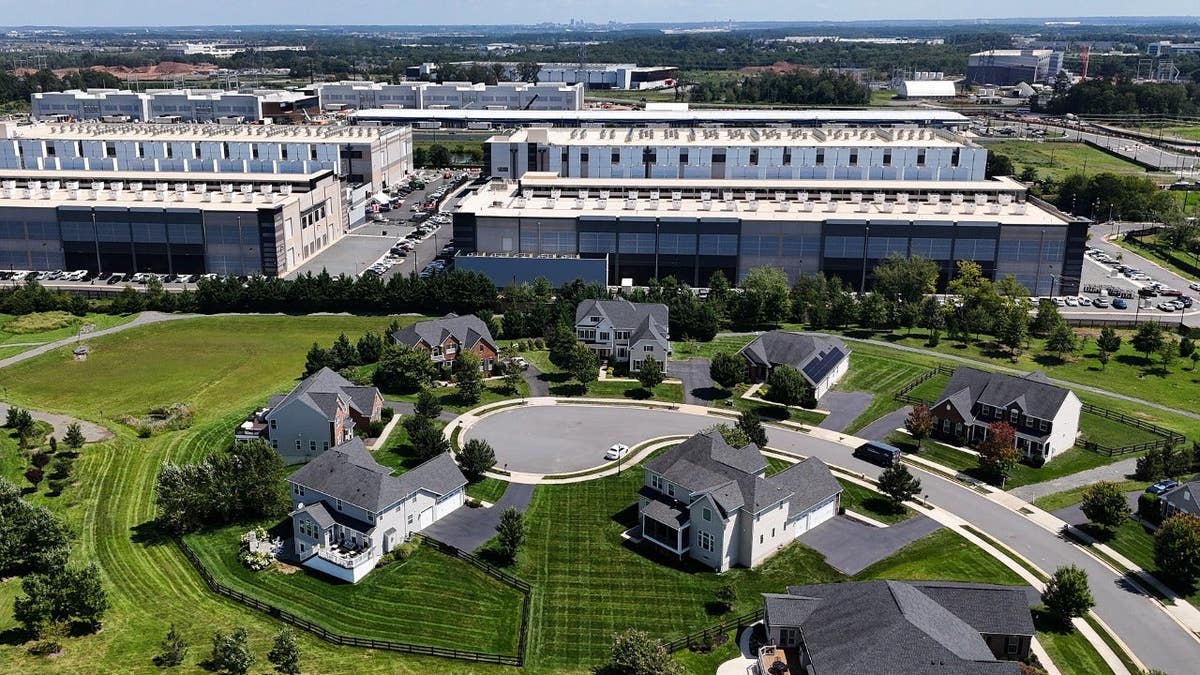
An Amazon Web Services data center is visible on Aug. 26, 2026, in Stone Ridge, Virginia. (Anna Moneymaker/Getty Images)
Senator Shelley Moore Capito, Chair of the Senate Environment and Public Works Committee, emphasized the bill’s aim to make infrastructure projects faster and more efficient while maintaining environmental protections. The legislation also addresses issues important to voters, including data centers.
Democratic Senator Martin Heinrich of New Mexico advocated for provisions in the bill to protect consumers from increased costs due to data center development. He pointed out that the bill requires data centers, with power demands of at least 20 megawatts, to bear the expenses of their energy consumption and associated infrastructure costs, ensuring that costs are not transferred to consumers.
However, the bill’s future in the House remains uncertain. Senator Armstrong mentioned that while there is bipartisan support, attendance issues in the House could pose challenges. Much of the bill’s language originates from the House’s work, and Armstrong hopes for strong attendance to secure the necessary votes.