
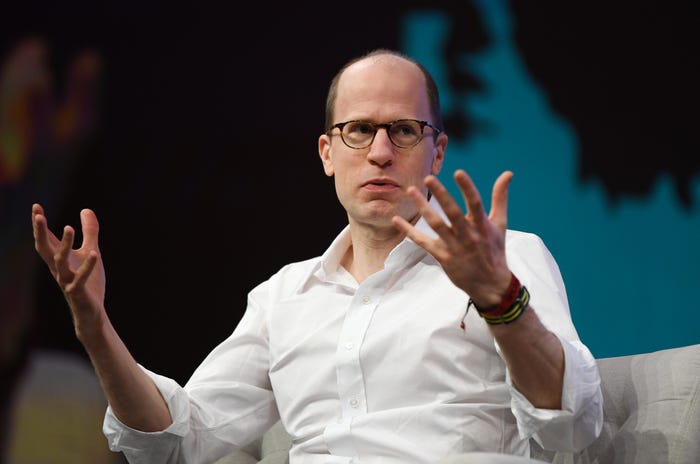
A prominent figure in future studies, Nick Bostrom, suggests that advancements in artificial intelligence (AI) could significantly extend human lifespans. Bostrom, known for his work with the Future of Humanity Institute, envisions humans living for more than 1,000 years with AI-driven breakthroughs in biomedicine and the fight against aging.
Speaking on the A16z show, Bostrom explained how AI might unlock antiaging research, potentially allowing life expectancies to reach between 1,200 to 1,400 years. He describes this estimate as conservative, pointing out the potential for AI to mitigate various mortality risks, including accidents.
Having founded the multidisciplinary Future of Humanity Institute at Oxford in 2005, Bostrom has focused his research on human enhancement and emerging technologies. Although the institute closed in 2024, his insights continue to influence discussions around AI and longevity.
Bostrom’s remarks come at a time when AI safety is a topic of increasing debate. Many experts advocate for slowing AI development to ensure it aligns with human interests safely. Bostrom acknowledges the complexity of balancing rapid development with the need for comprehensive safety measures.
“On one side, taking more time with AI development could improve safety and reduce existential risks. However, delaying progress also means millions of people continue to die each year,” Bostrom noted.
The discussion around AI’s dual role in extending life and posing potential risks continues, reflecting the importance of thoughtful development and regulation in this rapidly advancing field.