
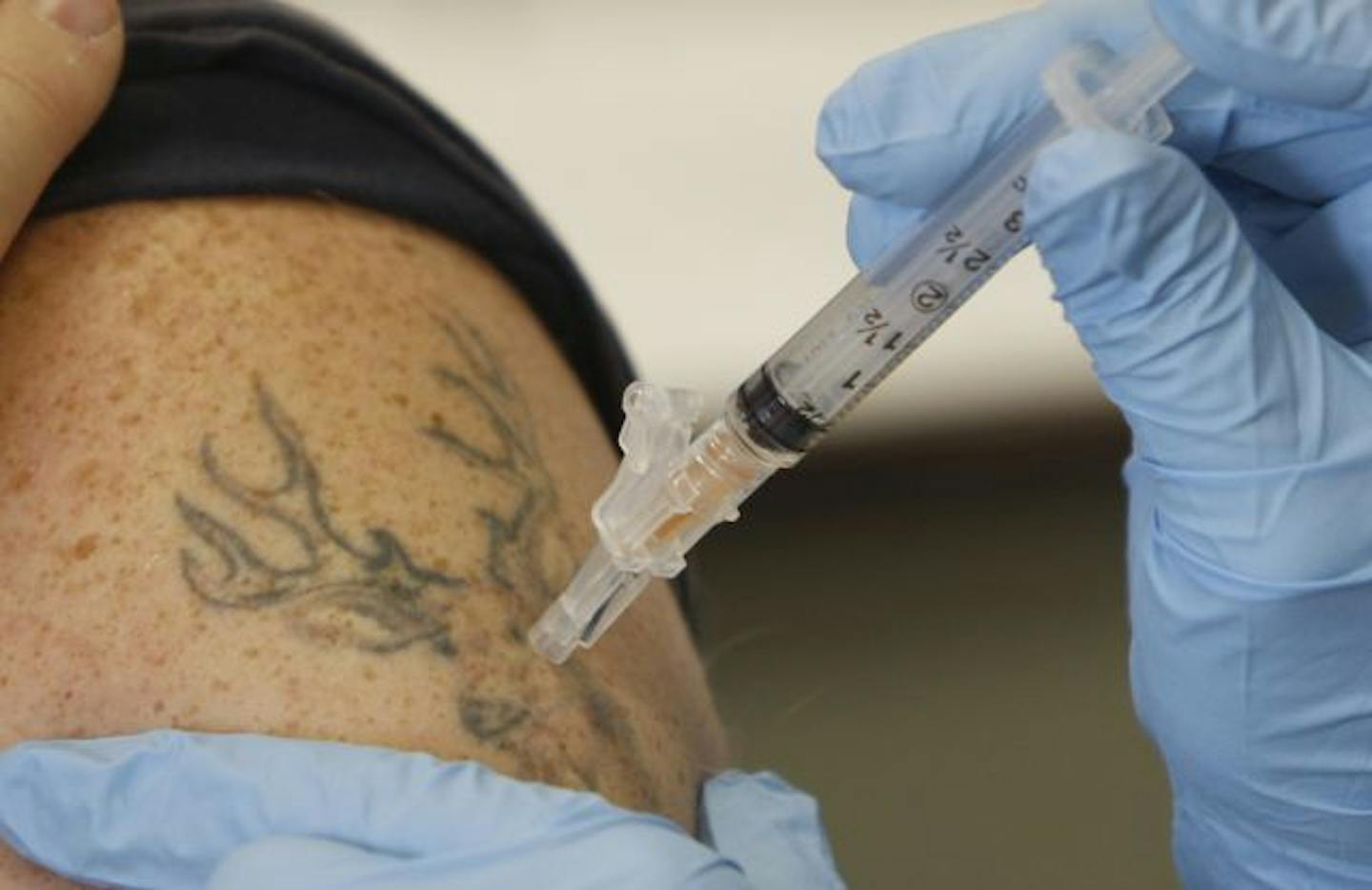
Minnesota health officials are strongly advising residents to receive flu vaccinations promptly. This recommendation comes as the state notes a rise in severe seasonal flu cases ahead of the holiday period.
As of the latest update from the Minnesota Department of Health, there have been 225 flu-related hospitalizations this season. This number contrasts sharply with the average of 33 cases at this time over the past three seasons.
“It is not too late to get a flu shot,” stated Melissa McMahon, a state influenza epidemiologist. “With Thanksgiving quickly approaching, sooner is better than later.” She remarked that the gradual increase in cases does not immediately point to an early or intense peak of the flu in Minnesota, but she emphasized the importance of vaccination given the low uptake rate.
McMahon noted that a slight genetic variation in the prevalent H1N1 strain, along with a lower vaccination rate, might have contributed to earlier illnesses. “Data do not suggest that this strain is any more aggressive or severe,” she said.
Typical flu symptoms include the sudden onset of a high fever, breathing issues, cold symptoms, and body aches. Transmission mainly occurs through droplets when infected individuals cough, sneeze, or talk. Severe complications can include pneumonia and worsening of heart conditions, which might be deadly.
Averaging around 380 flu-related deaths annually over the past three years, about half occurred in those 80 and older with weakened immune systems. This year’s death toll stands at four so far.
For the first time, Minnesota will employ wastewater monitoring for flu tracking throughout the season, a method developed during the COVID-19 pandemic. Recent reports indicate an uptick in flu levels as of the week ending Nov. 8, with signs of the virus in samples from nine out of 26 wastewater sites.
Historically, flu viruses have used holiday gatherings to spread, affecting schools and long-term care facilities later. Past seasons saw overcrowded hospitals and long waits in emergency rooms during peak flu weeks in January.
State data showed that only 24% of eligible Minnesotans received the flu vaccine by mid-October. However, vaccination was higher among seniors, at 53%, who are at increased risk for severe flu complications.
The flu vaccine offers 40% to 60% protection against infections when it matches well with circulating strains. It typically takes two weeks after vaccination for full effectiveness.