
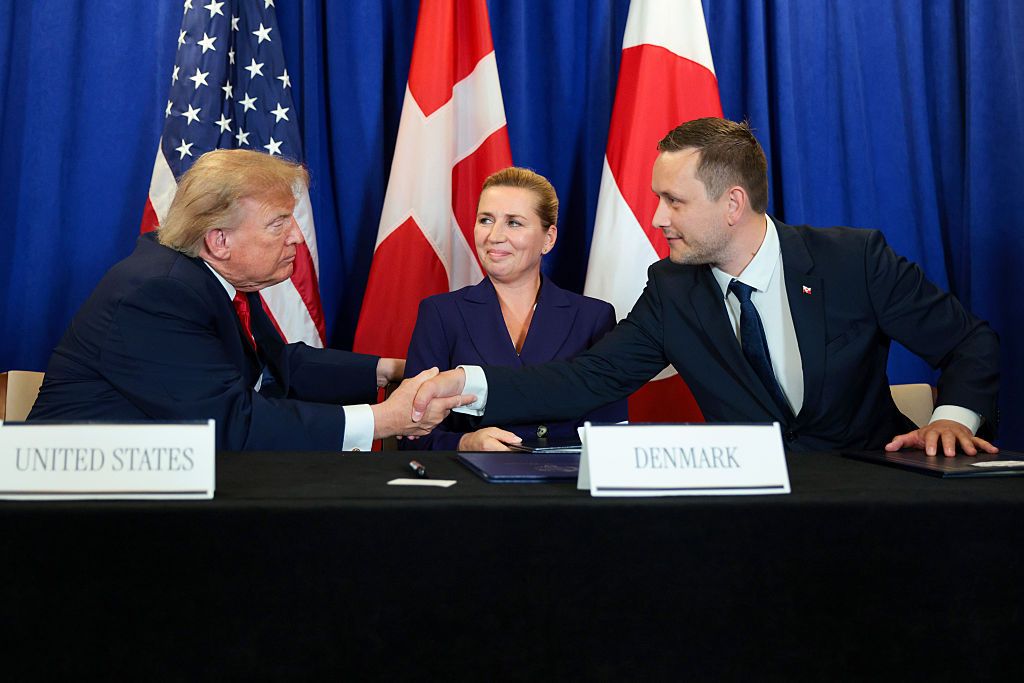
Denmark’s parliament has given its approval to a significant security agreement with the United States regarding Greenland. The decision was made with overwhelming support from members of the Folketing, Denmark’s parliament. This agreement marks a substantial increase in America’s military presence in the Arctic region.
Signed in September by President Donald Trump, Danish Prime Minister Mette Frederiksen, and Greenland’s Prime Minister Jens-Frederik Nielsen, the deal comes after prolonged diplomatic discussions. These negotiations followed Trump’s repeated interest in acquiring Greenland due to its strategic importance.
Key Elements of the Agreement
The deal allows the United States to set up new military facilities at Narsarsuaq in southern Greenland and Mestersvig in the northeast. It also expands operations at the existing Pituffik Space Base. Despite this, the agreement ensures that Greenland remains a self-governing territory within the Kingdom of Denmark.
The agreement acknowledges Greenlanders’ right to self-determination while laying out conditions for any future independent Greenlandic state. It mandates that an independent Greenland must stay within NATO and uphold current defense commitments.
This arrangement has no fixed end date and can only change through mutual consent. Additionally, it gives the U.S. influence over foreign investments in Greenland, and prevents non-NATO countries from establishing military bases there without a trilateral agreement.
Resolution of Diplomatic Strains
President Trump had previously asserted that controlling Greenland was crucial for U.S. national security, hinting at possible military or economic strategies to acquire the territory. These statements had caused diplomatic friction with Denmark and concern among European allies about NATO’s future.
The agreement reached in September was seen by Copenhagen as a way to enhance Arctic security while safeguarding Danish sovereignty. Prime Minister Frederiksen emphasized its respect for both the Kingdom of Denmark’s sovereignty and the Greenlandic people’s right to self-determination.
Greenland’s Prime Minister Nielsen also highlighted the recognition of Greenland’s political rights in the agreement. However, concerns were voiced during Greenland’s parliamentary debate on November 3, with some lawmakers worried about the long-term implications.
“We must accept that peace and stability are no longer something we can take for granted,” stated Greenlandic Foreign Minister Múte Egede.
Opposition leader Pele Broberg raised questions about the financial gains for a potential independent state, arguing the deal lacked substantial benefits.
Denmark’s Foreign Minister Lars Løkke Rasmussen presented the agreement to parliament on October 22, where it received significant support. The Folketing’s foreign affairs and defense committee reviewed it before parliamentary approval.
Following parliamentary consent, the agreement will activate once Denmark formally informs Washington that all procedural requirements have been met in both Denmark and Greenland.