
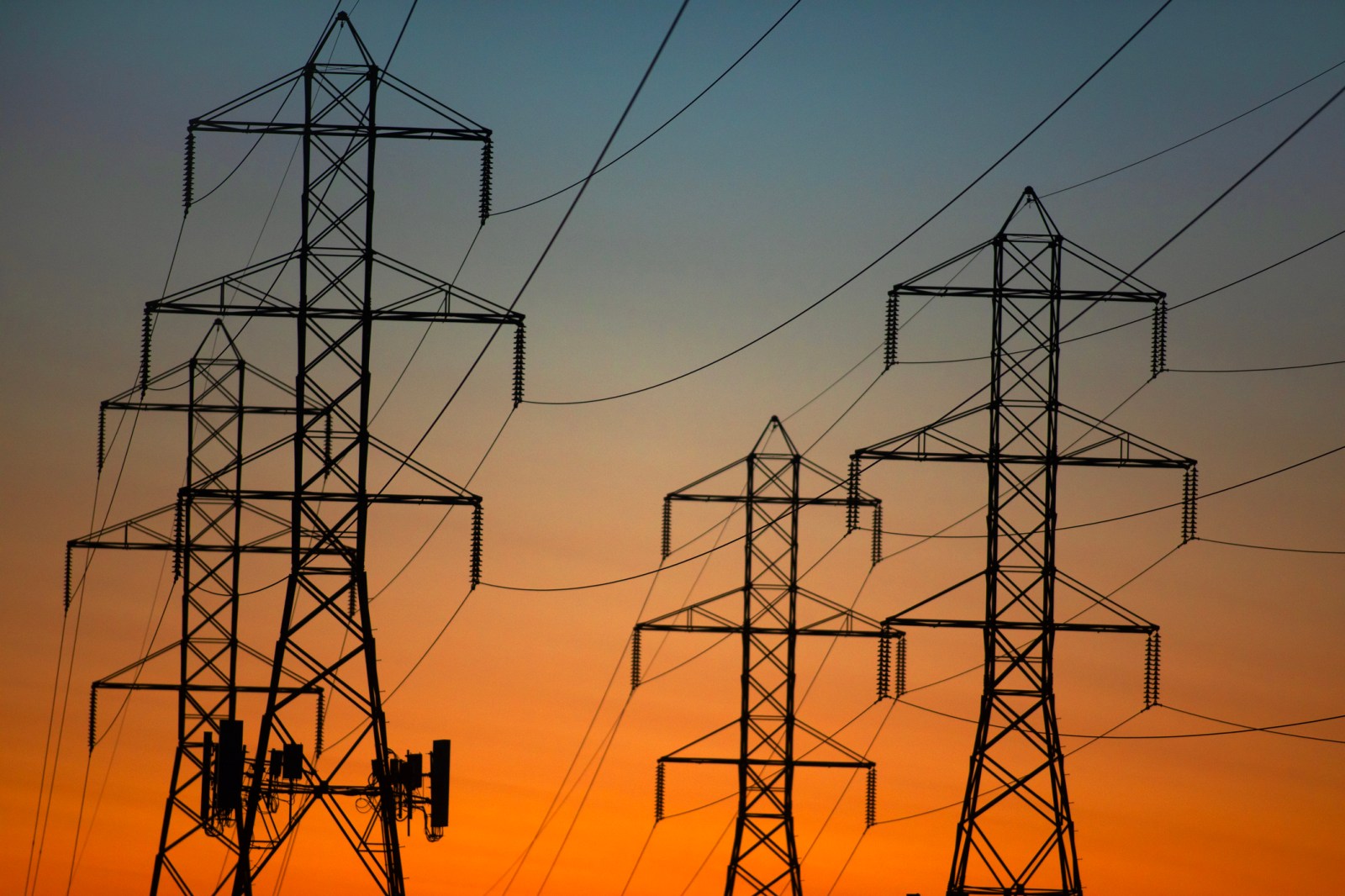
The rapid growth of data centers is intensifying stress on the U.S. power grid as winter approaches. Rising electricity demand and the likelihood of severe weather pose potential risks to energy supplies. According to the North American Electric Reliability Corporation (NERC), this demand increase is partly due to expanding data centers and large industrial operations. An intensifying El Niño pattern may also result in more extreme winter weather, potentially pushing power systems in some regions to their limits.
NERC President and CEO, Jim Robb, stated in a press release, “While the resource outlook has improved, the unpredictable weather of El Niño and rapid load growth present unique challenges this winter.” He indicated that grid operators might need to rely on emergency measures to ensure reliable energy supply.
Impact of Data Center Expansion on Electricity Demand
NERC’s assessment projects an increase in electricity demand in 21 out of 23 regions this winter. This widespread rise reflects the growing power needs across North America. Data centers are not the sole contributors to this growth; however, their expansion, along with larger industrial loads and comprehensive electrification efforts, are key factors driving higher demand.
Meeting this increased demand, particularly during severe weather conditions, remains a challenge. During potential grid emergencies, regions with significant power requirements might request emergency authority to instruct these consumers to switch to backup generators. This strategy could help alleviate demand and prevent power shortages.
Regions at Risk This Winter
The NERC report highlights several areas across North America that may face reliability issues under stressful conditions this winter. Regions like Quebec, the Canadian Maritimes, and the U.S. Southeast are considered at elevated risk. New England’s issues tie to restricted natural gas supplies, while the central U.S. faces localized transmission constraints. No region has been classified as high risk.
The outlook has changed since the previous winter, during which the Pacific Northwest and other areas were flagged for elevated concerns. Such assessments can fluctuate annually due to shifts in energy demand, generation, imports, and transmission conditions.
Data Center Expansion Hotspots in the U.S.
Despite opposition from state leaders such as Texas Governor Greg Abbott and New York Governor Kathy Hochul, data center development remains rapid across the U.S. Notable projects are advancing in states including Texas, Virginia, Utah, Ohio, and Louisiana. These developments aim to cater to the surging demand for artificial intelligence and cloud computing infrastructure.
Atlanta now surpasses Northern Virginia as the largest U.S. market under construction for data centers, while Texas is becoming a central hub in this expansive trend.
El Niño and Winter Weather Concerns
Though data center demand continues to rise, extreme weather due to El Niño brings greater uncertainty this winter. The increase in cold, ice, and storms, particularly in southern regions less accustomed to severe winter, could seriously affect the grid.
Low temperatures drive up demand as homes and businesses utilize more energy for heating. Freezing and ice also pose risks by disrupting power plants, fuel supplies, and other grid infrastructures. This risk is particularly marked in southern areas that typically do not equip or prepare their systems for long-term extreme cold.
Preparations for the Upcoming Winter
Grid operators have been called to ready their systems for the winter season. Jim Robb emphasized the need for preparedness, stating, “I am asking everyone in the power and natural gas sectors to ensure your operations are prepared for extreme cold and ice.” He urged stakeholders to confirm that their infrastructure is winterized and that conditions are actively monitored.