
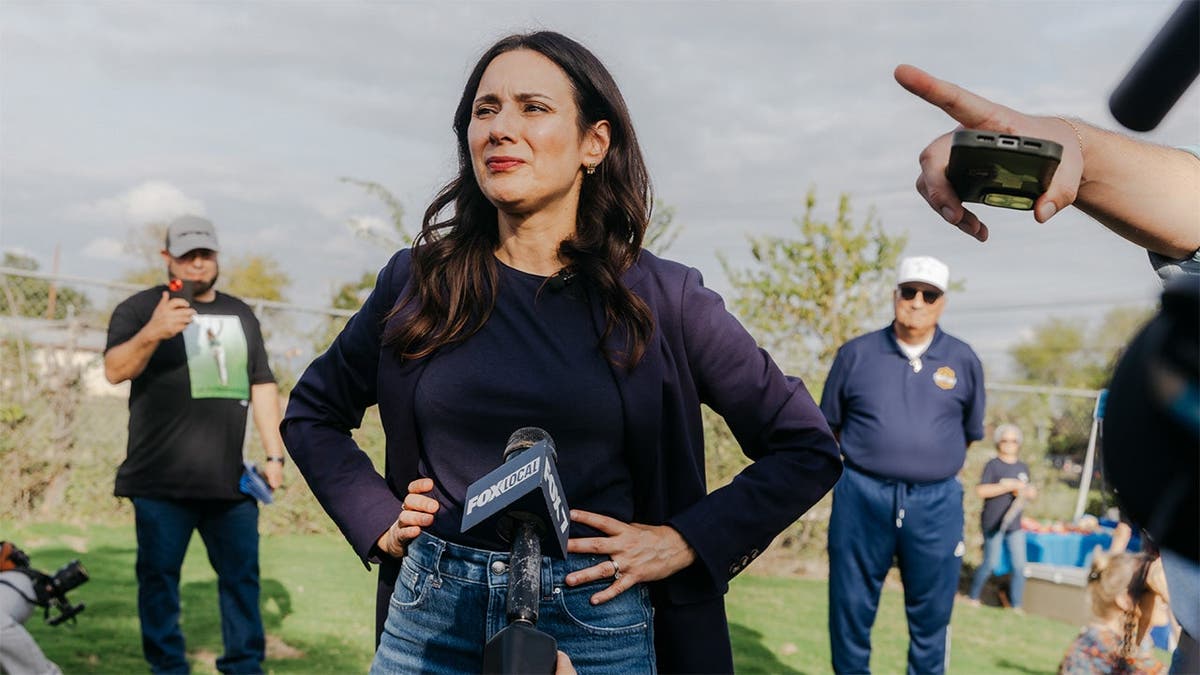
Gina Hinojosa, the governor-elect of Texas, plans to implement a utility rate freeze. This marks a shift toward left-leaning policies in a traditionally conservative state. However, experts express concern that this approach may not solve the affordability crisis.
Other Democratic-led states are considering similar strategies. Hinojosa announced on her first day that she would freeze residential electricity rates. Critics argue this could clash with Texas’ competitive energy sector and worsen energy shortages.
Sam Romain, chairman of Americans for Energy Dominance, questions the practicality of this plan. He states, “It’s a campaign promise they made, but they don’t have the power to just freeze the rates.” Romain believes Democrats will need to address energy production while exploring price controls.
In other states, Democratic leaders are taking various approaches. Virginia Governor Abigail Spanberger seeks a six-year rate freeze as a Florida company eyes Virginia’s largest energy supplier. She also proposes increased bill credits for ratepayers.
New Jersey Governor Mikie Sherrill initially promised a state of emergency to cap energy rates. She has since introduced a credit system to reduce electricity costs. California Governor-elect Xavier Becerra plans to freeze utility rates while exploring long-term solutions.
Wisconsin Governor-elect David Crowley supports a proposal capping gas and electricity bills relative to household income. Ohio’s Democratic leadership supports a 12-month utility rate freeze.
Romain identifies two main issues with these proposals. First, they do not increase supply, and second, they deter production. “A freeze…discourages developers from building,” Romain argues, noting uncertainty over profit margins.
Legal questions also arise. In Texas, Hinojosa’s use of an emergency declaration might face challenges. Nick Loris of C3 Solutions points out that legal resistance could arise as courts and policymakers question the validity of declaring an emergency.
Romain anticipates Democrats facing legal obstacles in other states too. He suggests bipartisan collaboration may emerge for an affordability strategy. “Democrats know there’s a supply-side issue,” Romain notes.
He advocates for allowing American companies to innovate and compete. Romain highlights the importance of permitting reform as a potential area for cooperation. “I’m optimistic about a permit reform package,” Romain concludes.
Leo Briceno, a politics reporter with Fox News Digital, covers this development.