
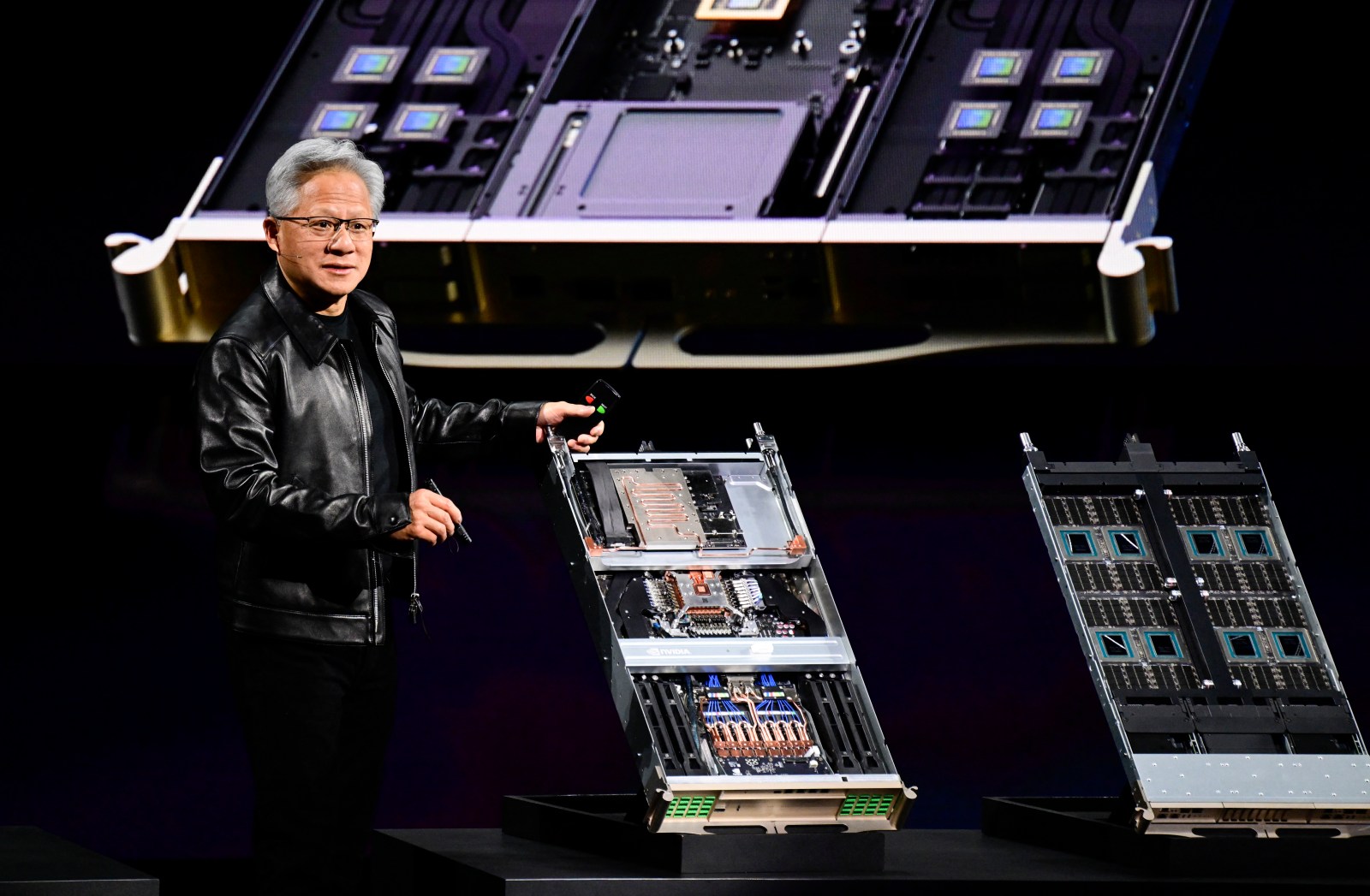
Jensen Huang, known for his leadership in the semiconductor industry, is currently working towards reclaiming his role at Nvidia. Reports indicate he resigned following allegations of personal indiscretions. An investigation is underway, involving both Nvidia’s board and the Justice Department.
Huang is said to be strategizing a comeback with the aid of influential figures, aiming to rally Nvidia’s board and seek support from the White House. The controversy also ties into larger ongoing debates within the U.S. administration about technology policy towards China.
The Dispute Within the Administration
The internal disagreement is led by Treasury Secretary Scott Bessent and Commerce Secretary Howard Lutnick. Both have distinct views on managing U.S.-China tech relations, especially concerning Nvidia’s AI chips.
Bessent advocates cutting off China’s access to advanced U.S. technology, aiming to secure U.S. economic and national security interests. He has expressed concerns about China’s expanding use of Nvidia’s technology.
Lutnick proposes a strategy of making China dependent on American technology by allowing limited access, believing this creates leverage and financial gain for the U.S. He suggests selling enough technology to make Chinese developers reliant on it.
Jensen Huang’s Position
Huang argues for easing export controls, claiming that they have significantly reduced Nvidia’s market share in China. He believes facilitating access to American chips would ensure both economic gains and control over global technology dependency.
According to Huang, it is strategic for the U.S. to have China reliant on its tech rather than surrendering the market entirely. He posits that Chinese labs using American hardware end up financially tied to U.S. companies.
Strategic Considerations
Critics argue revenue does not equate to national strength. The denial of advanced chips aims to delay China’s technological advancement, buying time for the U.S. to fortify its leadership in AI.
Commerce regulations allow controlled sales while requiring buyer screening and approval, intending to balance dependence and security. Ensuring strict enforcement is crucial to avoid unintended technology transfer to restricted parties.
China’s Responses and Future Outlook
China is actively seeking alternatives to American chips. Recent U.S. policy shifts have not guaranteed sales, as Beijing has restricted purchases of Nvidia’s H200 chip despite receiving U.S. approval.
The country is also advancing its AI capabilities by enhancing the efficiency of models and promoting domestic chip development, thus reducing reliance on foreign technology.
Policy Coexistence
Both perspectives require careful consideration. For those supporting sales to China, ensuring a durable and enforceable dependency is challenging. For those advocating restriction, the time earned must be used to enhance U.S. defense and technology.
Current policies involve a mix of controlled sales and withholding strategies. Commerce has implemented measures to regulate exports through case-by-case evaluation, aiming to support the U.S. technology sector.
Ultimately, the U.S. must balance its technology sales and restrictions to maintain an advantageous position. As the debate continues, the potential for a strategic shift under new leadership remains open.