
The financial cost of the Iran conflict is substantial, with the Pentagon estimating expenses at $47 billion. However, the human cost is more profound, affecting over 800 wounded American service members and the families of the 23 who have died. An investigation by 60 Minutes highlights significant damage to U.S. positions in the Middle East.
Gold Star families speak on the impact of the conflict. Their loved ones were among the first casualties, killed by an Iranian drone attacking an army command post in Kuwait. This was Iran’s deadliest strike against the U.S. military, showcasing their capability in modern warfare.
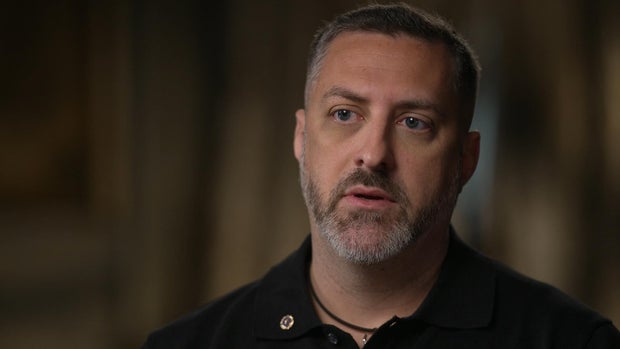
Joey Amor: There are soldiers signing up now who must trust that what happened to my wife won’t happen to them.
Joey Amor’s wife, Master Sgt. Nicole Amor, was one of the first six Americans to die. The fallen were met at Dover Air Force Base by high-ranking officials, including the president.
Norah O’Donnell: What kind of soldier was Nicole?
Joey Amor: She was proud, constant, unwavering, and dedicated.
Master Sgt. Amor served in the Army Reserve’s 103rd Sustainment Command. Her husband, Joey, expressed dissatisfaction with how leadership handled the situation. He holds certain commanders responsible for the decisions that led to the deaths.
A detailed investigation focused on the first American casualties of the war. On March 2, Secretary of Defense Pete Hegseth asserted that forces were well-protected. However, data suggests strategic failures contributed to the attack.
In the period leading up to the Iran conflict, the Pentagon repositioned 90% of ground forces away from Kuwait, fearing attacks. Nonetheless, about 70 members of the 103rd were moved to a small army post known as Port Shuaiba, only 65 miles from Iran.
Norah O’Donnell: How would you describe the installation at Port Shuaiba?
Major Stephen Ramsbottom: It’s often described as a trailer park.
Major Stephen Ramsbottom, deputy chief of operations, noted inadequate protections against aerial attacks. The threat of drone attacks was raised with higher command, but no effective measures were taken.
Six soldiers confirmed that Port Shuaiba was on an Iranian target list. Despite requests for countermeasures, none arrived. Major Ramsbottom’s whistleblower complaint to Congress calls for an inquiry into the lack of protective measures against drone strikes.
Tanner Carson, a medic, raised concerns about insufficient medical resources. When more soldiers arrived, he worried about the capacity to handle casualties. Master Sgt. Nicole Amor inquired about a mass casualty plan, revealing concerns shared by many.
The night the U.S. and Israel targeted Iran’s leader, surveillance drones circled above Port Shuaiba. A drone attack followed the next morning, causing significant damage. Video evidence reveals devastation at the command post.
Master Sgt. Amor was taken to a Kuwaiti hospital but ultimately lost her life. Her husband’s response reflects a belief that a better plan might have saved her.
Families of the victims, including those of Master Sgt. Noah Tietjens and Chief Warrant Officer Robert Marzan, shared their struggles and called for transparency and accountability. The Pentagon’s response to the attack remains under scrutiny.
Iran’s strikes extended beyond Port Shuaiba, damaging sites across eight countries. Despite official claims of triumph, attacks continued. Families still seek answers and accountability for the sacrifices made.
- For more details on the investigation conducted by Michael Kaplan, Jonah P. Kaplan, and others, consult the original 60 Minutes presentation.