
Florida is experiencing its largest dengue fever outbreak in decades, with over 290 locally acquired cases reported. Dr. Robert Redfield, a former CDC Director, emphasizes the importance of understanding the transmission risks and implementing effective prevention strategies. Meanwhile, mosquito management teams in Hillsborough County are utilizing aerial spraying to target the virus-carrying mosquitoes.
In many parts of the U.S., cooler weather has reduced mosquito activity. However, Florida remains an exception as mosquitoes continue to pose significant health challenges. The state is currently dealing with a severe dengue outbreak, with hundreds of residents contracting the virus without traveling abroad.
Technological Advancements in Mosquito Control
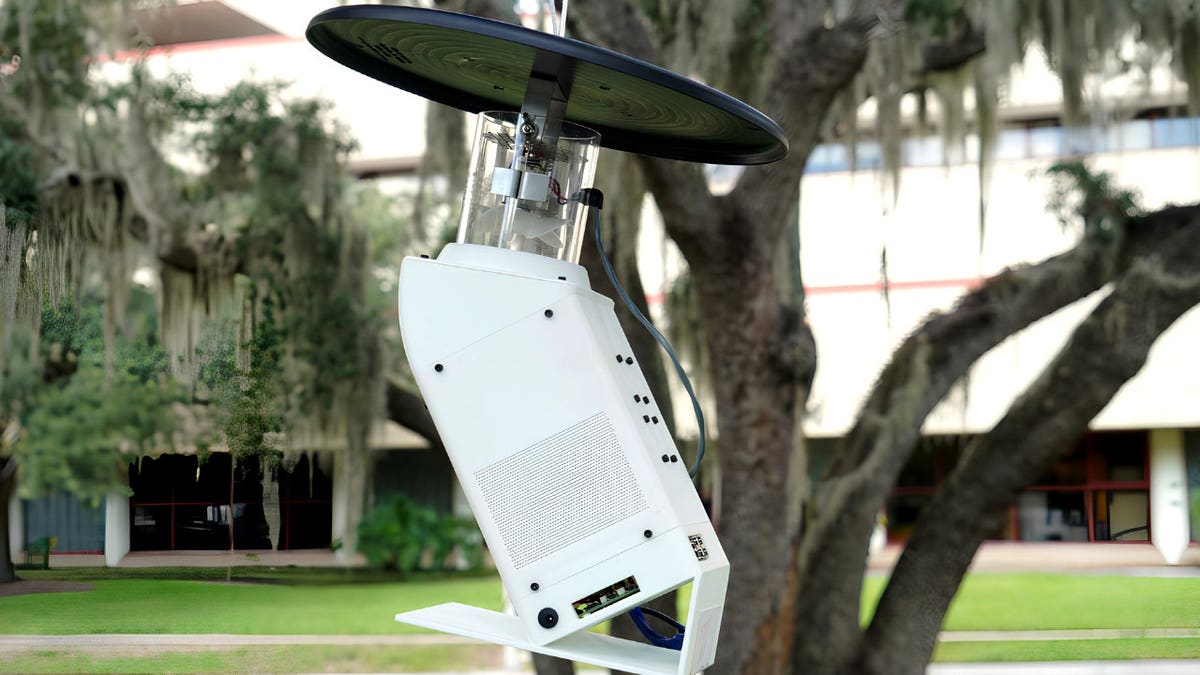
Researchers at the University of South Florida have developed an artificial intelligence-powered mosquito trap that could significantly aid health officials. This trap is capable of identifying mosquito species with over 98% accuracy during laboratory tests, which is crucial as dengue cases persist across Florida.
The AI mosquito traps developed by Digitomy, a startup by USF researchers including Associate Professor Ryan Carney and Professor Sriram Chellappan, offer a promising solution. These traps aim to identify mosquito species more efficiently, crucial for responding promptly to outbreaks.
Details of the AI Trap
The trap uses a straightforward setup. It’s equipped with cameras and artificial intelligence to identify mosquitoes as they are attracted, captured, and imaged. The system can discern mosquito species, determine if they are male or female, and check if they have fed on blood recently.
Traditional surveillance methods require days of specimen examination under a microscope, delaying response times. The AI system can identify species the same day, which could speed up decision-making and direct mosquito control efforts more effectively.
Implications of Rapid Identification
The importance of rapid identification cannot be overstated. Aedes aegypti, the primary transmitter of dengue in Florida, is of particular concern. Prompt detection can guide better resource allocation and control efforts, reducing the spread of diseases like dengue.
Information from these AI traps is integrated into the Global Mosquito Observations Dashboard, which includes data from both automated traps and citizen science reports. This integrated approach provides a comprehensive view of mosquito activity, supporting timely public health responses.
Future of AI in Mosquito Management
Digitomy’s technology is undergoing testing with the Anastasia Mosquito Control District and is preparing for validation in Hillsborough County. As the team collaborates with USF’s Technology Transfer office, there’s potential for wider adoption among mosquito trap manufacturers, enhancing existing equipment with this AI capability.
Although not yet available for consumers, these traps could gradually become essential tools for public health officials. Communities could adopt smarter surveillance systems, potentially enabling them to manage mosquito-borne disease risks more effectively.
For those living in mosquito-prone regions, the best defense still includes practical steps like removing standing water where mosquitoes breed and using EPA-approved repellents. Wearing long sleeves and using mosquito control products can further reduce risk.
The advancements in mosquito monitoring and control may soon provide communities with invaluable tools to tackle mosquito-borne diseases more proactively and efficiently.