
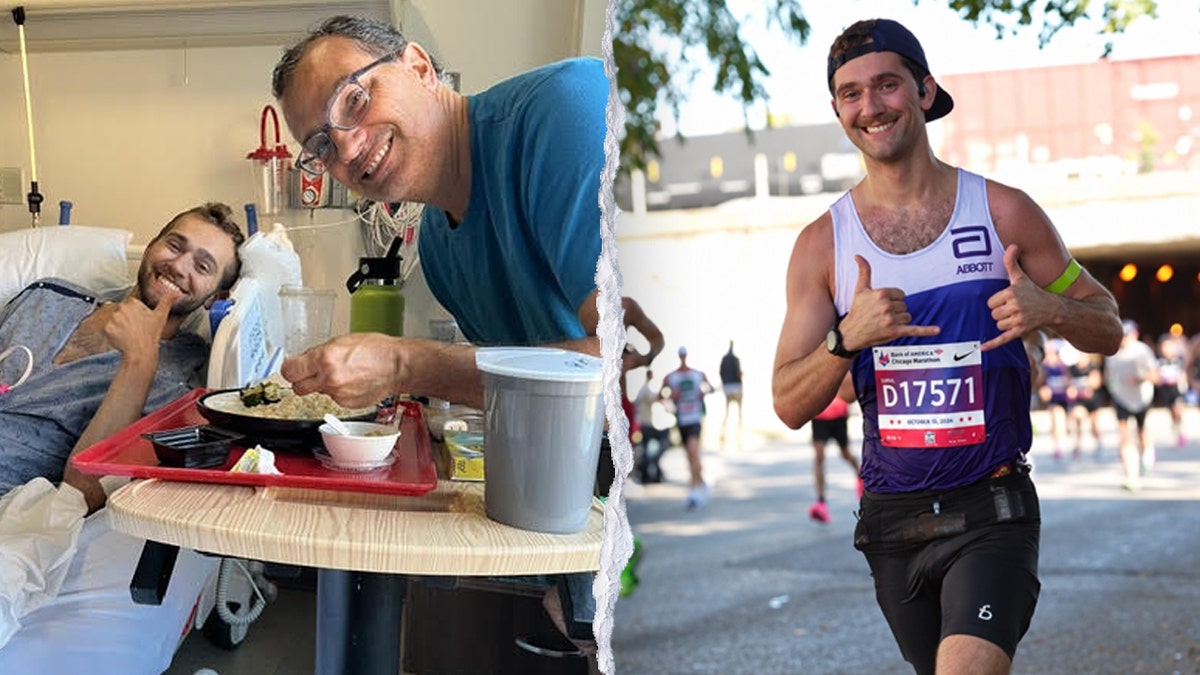
The incidence of strokes among young adults is rising. A Boston man, Patrick Mascoli, has shared his life-threatening experience at age 27 to bring attention to this trend. An engineer and fitness buff, Mascoli was fit and active, running 40 miles weekly, with only a history of migraines marking his medical past. Despite his health, he faced a shocking event.
On a Sunday in July 2024, after a 10-mile run and a gym session, Mascoli felt an unexpected sensation while alone in the locker room. He described it as a bomb going off in his head, a sudden, severe burning pain on the right side of his brain. Initially, he thought it was linked to past fainting episodes, but as his vision blurred and pain intensified, it was clear this was different.
“No matter what I was telling my body to do, it just wasn’t working,” he said.
Attempts to move resulted in his leg veering into a wall, his body ignoring his commands. When his sister arrived, she found him disoriented and sweating. He was young, fit, and had been active, so the first responders treated him for dehydration and vertigo, but these actions didn’t alleviate his symptoms.
Eventually, a CT scan and MRI at Boston Medical Center confirmed a stroke. Despite alleviated head pain the following morning, movement issues persisted, notably rendering his right side ‘completely useless.’ This diagnosis left Mascoli unsettled about his future.
Searching for Answers
To find the stroke’s cause, doctors conducted extensive tests, which revealed a patent foramen ovale (PFO). This is a small opening between heart chambers that usually closes after birth, but sometimes stays open, potentially allowing a clot to travel to the brain.
Mascoli underwent a procedure to close this opening. He now questions why the clot formed without genetic predispositions or physical issues, leaving a bit of a mystery.
Recovery and Motivation
Post-stroke, Mascoli faced anxiety about running again, worrying about being stranded far from help. His girlfriend’s gift of a fitness watch motivated him to resume running. Completing the Chicago Marathon as part of Team Abbott, he realized the importance of having goals.
“I need to know how far I’m going because I don’t want to be too far away and have something happen,” he said.
Mascoli’s message is one of patience in recovery, understanding that everyone heals differently. He urges others to take steps forward, no matter how small.
Understanding Risks and Symptoms
Dr. Khurana from Episcopal Health Services notes multiple factors can escalate stroke risks in young adults. These include high blood pressure, smoking, unhealthy cholesterol, particular heart conditions, and artery issues. Stroke symptoms might include dizziness, headaches, and altered mental status.
Dr. Levchuck advises maintaining a healthy lifestyle to prevent strokes, advocating for exercise, proper hydration, and avoiding tobacco. Anyone experiencing balance loss, vision changes, or speech difficulty should seek immediate medical attention.
Mascoli’s ordeal underscores the importance of awareness and prompt action in responding to stroke symptoms, irrespective of fitness or age.